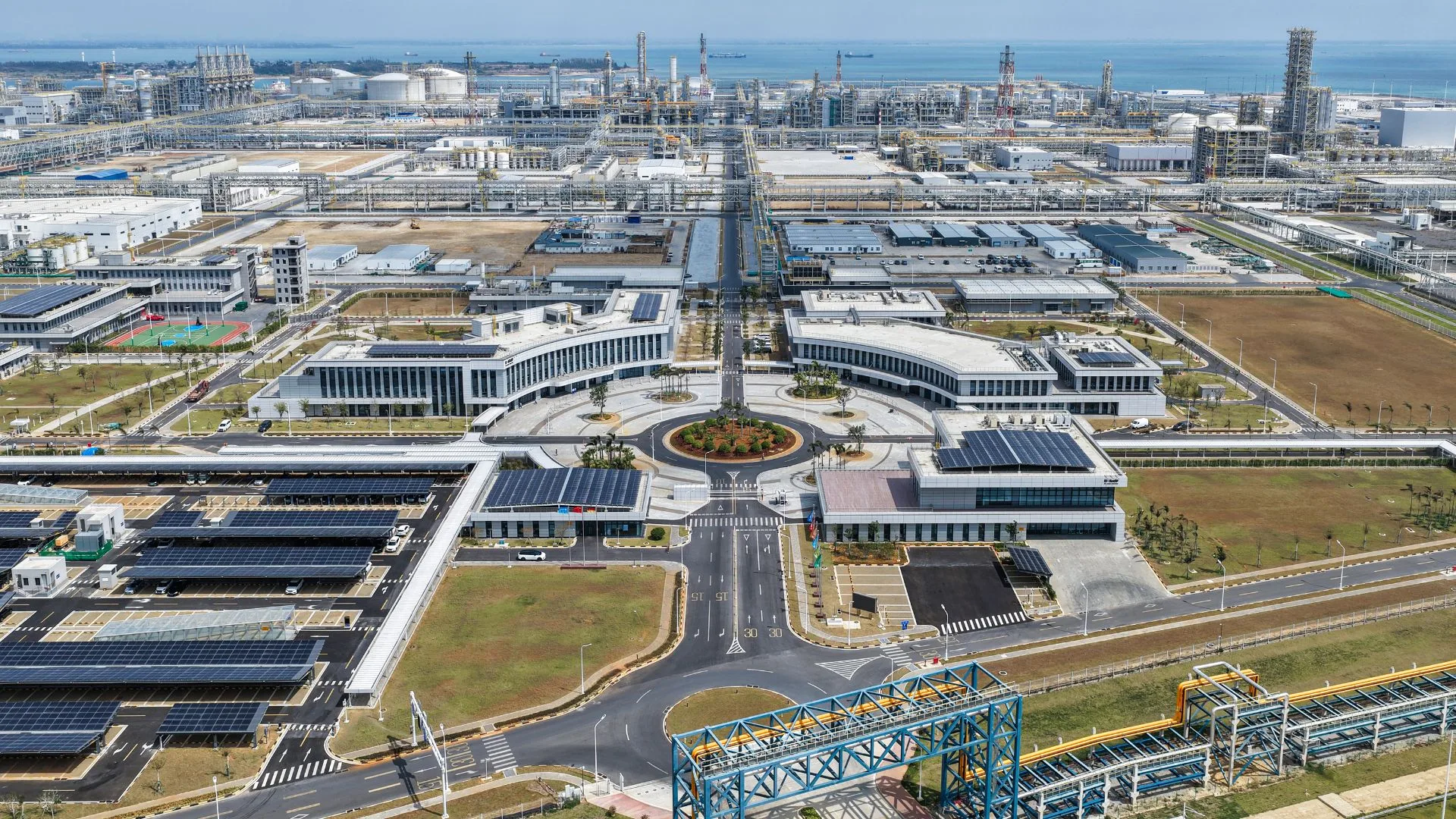
BASF has officially inaugurated its new Verbund chemical complex in Zhanjiang, China, marking a strategic expansion in the world's largest chemical market. With an investment of nearly €8.7 billion, the site is already the company's third-largest globally and is designed to produce a wide range of basic, intermediate, and specialty chemicals for sectors including transportation, electronics, consumer goods, and personal care. The complex underscores BASF's 'local for local' strategy and its commitment to sustainable, integrated production.
Strategic investment in China's chemical market
The Zhanjiang complex, covering approximately four square kilometers, represents one of BASF's most significant industrial developments worldwide. The project reflects a broader shift among multinationals as China solidifies its role as a key hub for both chemical production and consumption. By producing locally, BASF aims to enhance supply-chain resilience and better serve the growing demand from downstream industries in the region.
Verbund model and integrated production
Operating under BASF's Verbund model, the complex integrates multiple industrial processes to optimize resource use, reduce costs, and improve energy efficiency. The site produces a broad portfolio of chemicals, from basic to specialty products, serving industries such as automotive, electronics, and personal care. This integration enables more efficient value chains and ensures a stable supply to the local market, aligning with the company's 'local for local' approach.
Sustainability and process electrification
Industrial capacity and operational deployment
The complex currently operates more than 18 plants and 32 production lines, manufacturing over 70 different products. It employs more than 2,000 people and is designed to run on flexible feedstocks such as naphtha and butane. The steam cracker has a production capacity of up to 1 million metric tons of ethylene per year, strengthening BASF's position in the global petrochemical market. The site has been developed in phases, allowing for the gradual commissioning of key units and the integration of new technologies as the project progresses.
What buyers should watch
For overseas buyers of industrial chemicals, the Zhanjiang complex signals increased local supply capacity for a wide range of products, including ethylene derivatives and specialty chemicals. This could affect global pricing dynamics and supply availability, particularly for Asian markets. Importers and distributors should monitor BASF's product portfolio expansion from this site, as it may offer new sourcing opportunities or shift trade flows. The complex's focus on sustainable production also aligns with growing regulatory and consumer demands for lower-carbon chemicals, potentially influencing procurement strategies.
China sourcing context
BASF's investment in Zhanjiang reinforces China's position as a critical manufacturing base for the global chemical industry. The site's integrated model and renewable energy use set a benchmark for sustainable production in the region. For formulators and manufacturers sourcing from China, this development may lead to more stable and competitive supply of key intermediates and specialties. However, buyers should also consider potential impacts on global trade patterns, as increased local production could reduce export volumes from other regions.
Source: Read the original report | Published: March 29, 2026