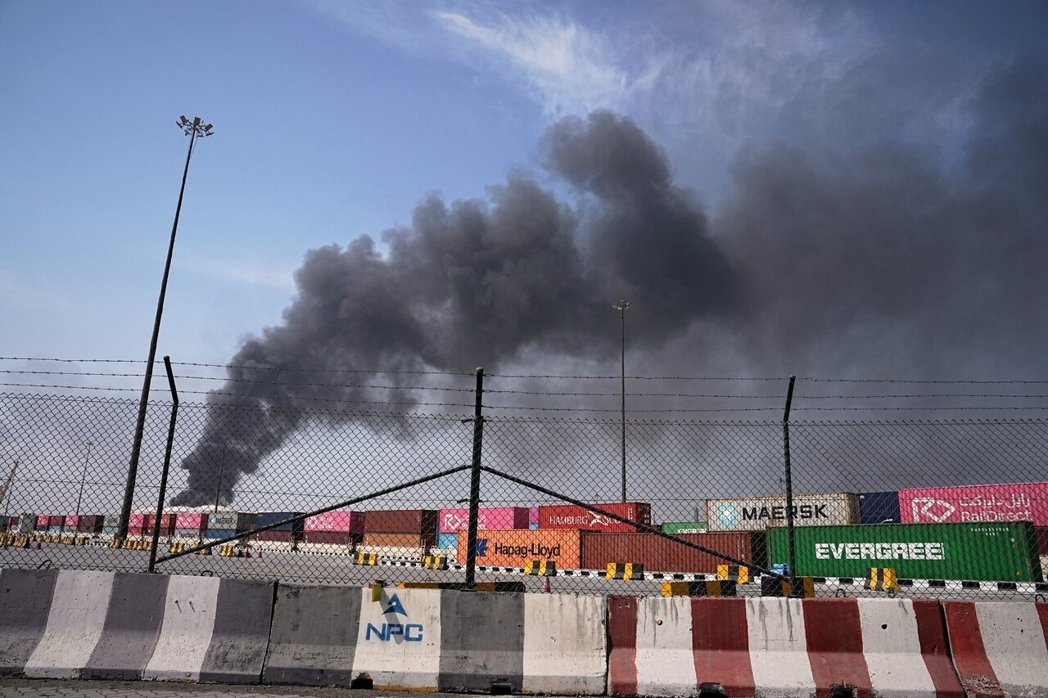
Middle East geopolitical tensions have triggered a sharp rally in China's chemical market, with feedstock costs surging from crude oil and naphtha to intermediates and downstream products such as polyester, styrene, and plastics. Inventories once seen as burdens are now in high demand, and suppliers are hoarding stock, issuing daily price revisions, and demanding payment before delivery. Overseas buyers should monitor this supply-driven volatility closely, as it may disrupt sourcing strategies and contract pricing.
Supply-chain impact
The price surge is primarily a cost-push reaction to the Middle East conflict, not a demand-driven recovery. Analysts warn that the rally is supported by supply-side expectations rather than real downstream demand improvement. Daily price changes create extreme uncertainty for end-users, especially downstream factories that cannot lock in raw-material costs, making it risky to quote or accept orders. Many firms are becoming cautious and avoiding long-term contracts.
Price volatility and basis distortion
According to Green Dahuafutures energy-chemical head Wu Zhiqiao, the market has seen rare daily price jumps, with some products rising multiple times in a single day. For polyolefins, basis spreads have widened dramatically. As of March 12, South China PE05 basis reached 2,056 points, up 1,747 points from the previous day; South China PP05 basis hit 1,616 points, up 1,663 points. East China PE05 basis rose to 1,806 points, up 1,620 points; East China PP05 basis reached 1,266 points, up 1,488 points.
Key product: PET bottle chip price surge

Polyester (PET) bottle chip prices have been the most dramatic example, climbing from RMB 6,200/ton on March 1 to RMB 8,380/ton on March 12, a 35% increase. Zhang Chunyan, an analyst at Zhuochuang Information, noted that early daily gains of RMB 100-200/ton were manageable, but as the Middle East situation escalated, single-day jumps exceeded RMB 1,000/ton, leading to widespread hoarding and suspension of offers.
Downstream demand lag
Zhang added that soft-drink and other downstream end-users remain on the sidelines, with no corresponding price adjustments in final products and no centralized tenders launched. This indicates that downstream demand has not kept pace with the price rally. Wu Zhiqiao pointed out that chemical downstream demand is still concentrated in traditional sectors such as infrastructure, textiles, home appliances, and automobiles. Without a clear improvement in domestic demand, sustained raw-material price increases will compress downstream margins, potentially leading to production cuts and plant shutdowns.
What buyers should watch
Overseas importers and distributors should expect continued volatility in China-sourced chemicals, especially polyester, styrene, and polyolefins. The current market is characterized by supply-side panic rather than genuine demand growth. Buyers should avoid locking in long-term contracts at inflated prices and instead seek flexible procurement strategies. Monitor Middle East developments and crude oil trends closely, as any de-escalation could trigger a sharp correction. Also watch for potential production cuts among downstream Chinese manufacturers, which may reduce export availability.
Source: Read the original report | Published: March 12, 2026