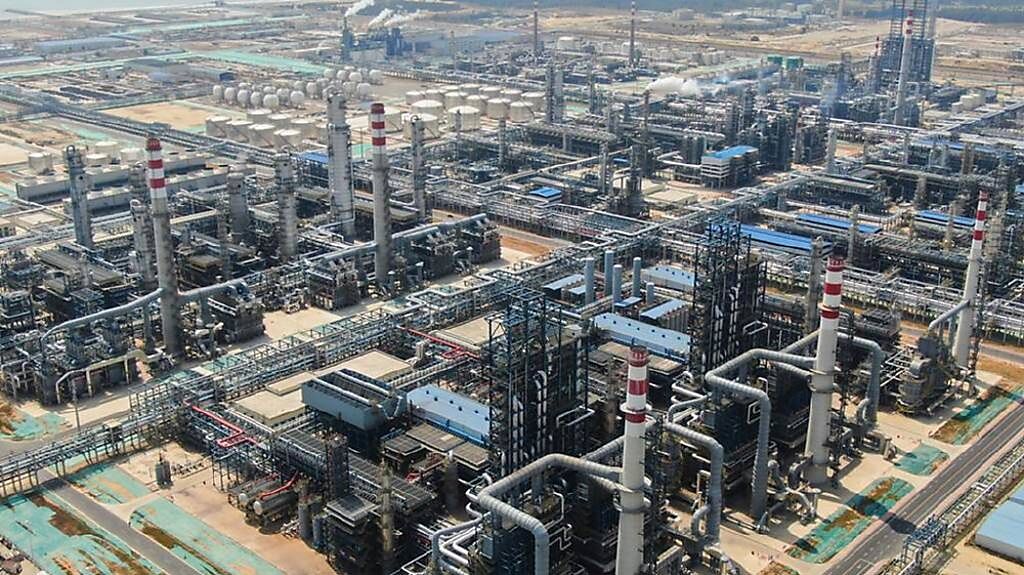
China's National Development and Reform Commission (NDRC) has reportedly instructed major refineries to immediately suspend exports of refined oil products such as gasoline and diesel, in response to potential energy supply disruptions from Iran's control of the Strait of Hormuz. This move could significantly impact Southeast Asian buyers including the Philippines and Malaysia, which rely on Chinese product exports.
Supply-chain impact
The directive, conveyed during meetings with refinery representatives, calls for an immediate halt to new export contracts and negotiations to cancel existing agreements. Exceptions include aviation kerosene and marine fuel stored in bonded warehouses, as well as fuel destined for Hong Kong and Macau. China's refined oil export quota system, managed by the NDRC, allocates volumes to state-owned giants like PetroChina, Sinopec, CNOOC, Sinochem, and private player Zhejiang Petrochemical.
China sourcing context
China's refined oil exports have been declining in recent years due to a shift toward clean energy, reduced fuel vehicle demand, and sluggish economic recovery. Gasoline exports fell from 12.57 million tonnes in 2022 to 8.02 million tonnes in 2025. The NDRC has been actively pushing refineries to transition away from export-oriented production, and this ban accelerates that trend.
What buyers should watch
In 2025, Singapore was the top destination for Chinese gasoline exports at 5.665 million tonnes, mostly for re-export to other Southeast Asian nations, followed by Malaysia (769,000 tonnes), Mexico, and the Philippines. Diesel exports were led by the Philippines at 2.013 million tonnes, with Hong Kong, Bangladesh, Singapore, and Australia also key buyers. Refineries in Japan, Indonesia, and India have already begun reducing operating rates and suspending some fuel exports, signaling broader regional supply tightening.
Compliance and logistics signals
Importers in affected markets should monitor contract renegotiations and seek alternative supply sources. The ban does not cover bonded fuel for international shipping or supplies to Hong Kong and Macau, which may offer limited continuity. As China's export quotas have already been shrinking since 2024, this suspension could accelerate price volatility for gasoline and diesel in Asia-Pacific spot markets.
Source: Read the original report | Published: March 06, 2026