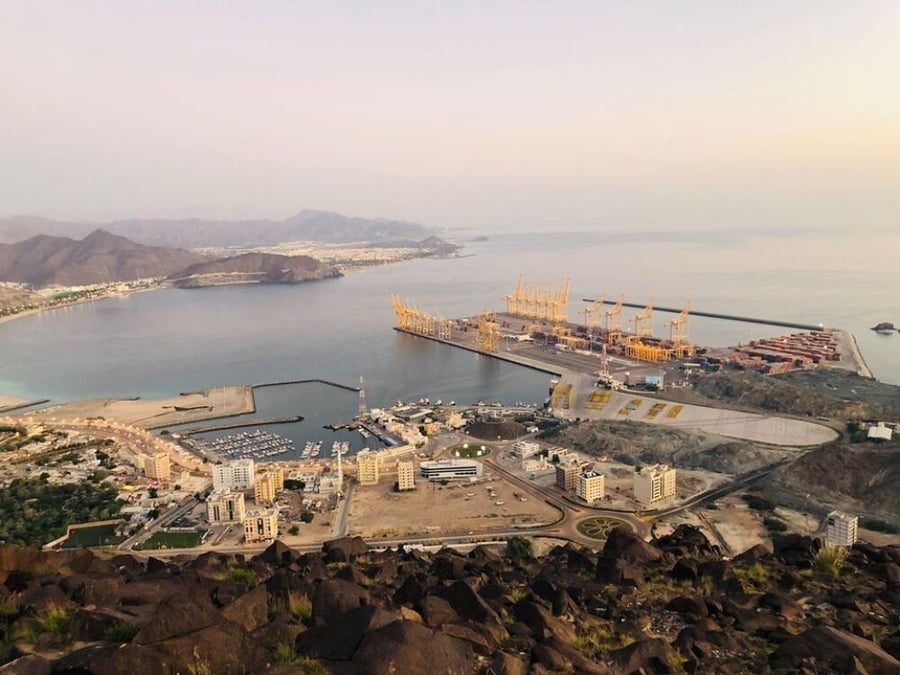
The Middle East conflict is triggering a cascade of supply risks for the European chemical industry, with France Chimie warning of potential shortages in strategic molecules such as helium, bromine, and methanol. For overseas buyers, this means tighter availability and higher costs for key industrial inputs, compounded by severe logistics bottlenecks at major hubs like Khor Fakkan and Singapore. The crisis also reshapes global sourcing dynamics, with US petrochemical producers gaining a structural advantage.
Supply-chain impact
France Chimie, the French chemical industry association, has issued a statement noting that the conflict's impact is already visible in rising production costs for raw materials, energy, and transport. It warns of "cascade effects" that could lead to "shortage risks for European chemistry." The association highlights that the crisis extends beyond energy, threatening molecules critical to medical imaging, semiconductors, flame retardants, and pharmaceuticals.
Helium is the most striking example of geographic dependency. Europe produces none of this gas, yet one-third of global output comes from Qatar, where a production site was targeted by strikes on March 18, 2026. Other sources in the US and Russia face diplomatic tensions. Global discussions are underway to reserve remaining volumes for defense and healthcare only.
Bromine follows a similar pattern. Three producers control 79% of global capacity, located in Israel, the US, and Jordan. The conflict directly threatens extraction in the Dead Sea. For methanol, 12% of global capacity sits in Iran, and another 18% is split between Saudi Arabia, Qatar, and Bahrain. An expanded conflict could paralyze one-third of global methanol supply.
Raw-material and energy cost squeeze
Natural gas prices are dictating the survival of gas-intensive chemical operations. For products like ammonia and nylon, gas accounts for up to 80% of variable production costs. With the TTF benchmark at €67 per megawatt-hour on March 18—more than double pre-conflict levels—European producers' margins are evaporating. Fertilizer makers have already passed on these increases, hurting downstream agricultural competitiveness.
Crude oil acts as a second trigger. At $114 per barrel (+61%), naphtha and ethylene prices have surged. Ethylene jumped 58% in Asia and 38% in the US in three weeks. These molecules are the building blocks of all polymers. While no outright shortages have been reported in France as of March 25, four multi-site industrial groups in Europe have declared force majeure, citing the impossibility of producing at such prices.
Logistics chaos: Ormuz, Singapore, and beyond
Maritime transport is accelerating the contagion. The de facto closure of the Strait of Hormuz has caused massive congestion. Khor Fakkan port in the UAE is saturated, with delays exceeding 13 days. This congestion is spreading to Singapore and Colombo ports, which cannot absorb rerouted flows. Patrick Pouyanné, CEO of TotalEnergies, stated: "There is an urgent need to reopen the strait, otherwise the damage will durably affect supply chains."
Rerouting via the Cape of Good Hope adds 15 days of travel, requiring more ships to carry the same cargo volume. In India, 30% of vessels wait over a week at Mundra port. For French SMEs, this disorganization has tripled freight rates from China.
What buyers should watch
Overseas chemical buyers should monitor the April 12, 2026 tipping point, when the first Chinese refineries may halt cracking units due to crude shortages, triggering a global shortage of plastic derivatives. China's strategic reserves are estimated at 90 days of imports, but its three largest refineries can only run until April 20 before running out of crude. Once those units stop, chemical stockpiles will last only until end-May.
Meanwhile, US petrochemical producers emerge as structural winners. Their ethane-based feedstock from shale gas is decoupled from global oil prices, allowing them to flood the European market with low-cost polymers like PE and PVC. US imports to Europe, already up 29% since 2019, could rise further, threatening permanent closures of older European steam crackers.
Source: Read the original report | Published: March 25, 2026