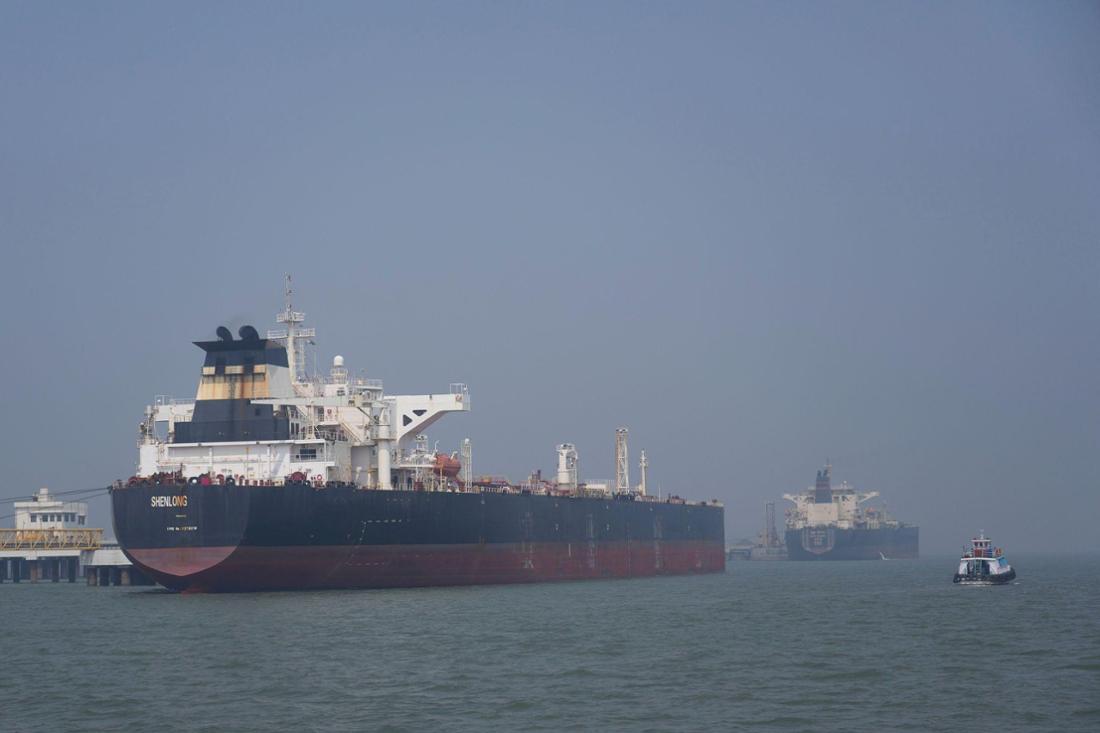
The ongoing Iran war is causing the first breakdowns in global chemical supply chains, with the German chemical industry association VCI warning of imminent shortages of key raw materials such as ammonia, phosphate, helium, and sulfur. The blockade of the Strait of Hormuz, a critical chokepoint for seaborne trade, is compounding existing pressures on an already struggling sector, raising concerns for importers and manufacturers worldwide who rely on these inputs.
Supply-chain impact
The VCI reports initial signs of disruption in international supply chains, particularly affecting raw materials like ammonia, phosphate, helium, and sulfur. For sulfur, a key feedstock for fertilizer production, 50% of seaborne trade passes through the Strait of Hormuz. Fertilizer prices have already surged, and the association warns that serious, growing shortages are expected if the conflict persists.
Industry stress signals
Wolfgang Große Entrup, Managing Director of the VCI, described the situation as dramatic, especially for mid-sized companies. "The signals we are currently receiving, particularly from the SME sector, are dramatic," he said. "It is no longer just a question of price, but also a question of availability." He noted that the German chemical industry's annual results are "underwhelming," with production, sales, and prices all in negative territory.

China sourcing context
Adding to the pressure, China appears to be reducing its exports of raw materials. Because China's own oil and gas imports largely transit the Strait of Hormuz, the country is prioritizing domestic supply. According to Große Entrup, exports of important raw materials are either being reduced or completely halted. This development is particularly concerning for buyers who depend on Chinese sources for chemicals and intermediates.
What buyers should watch
Große Entrup warned that while the industry still has some buffer—shipments from China typically take up to two months—"what we cannot order now will be missing in six to eight weeks." Companies are increasingly unable to engage in strategic planning and are operating on a day-to-day basis. Importers and distributors should monitor the Strait of Hormuz situation closely and prepare for potential supply gaps in ammonia, phosphate, sulfur, and helium derivatives.
Source: Read the original report | Published: March 16, 2026