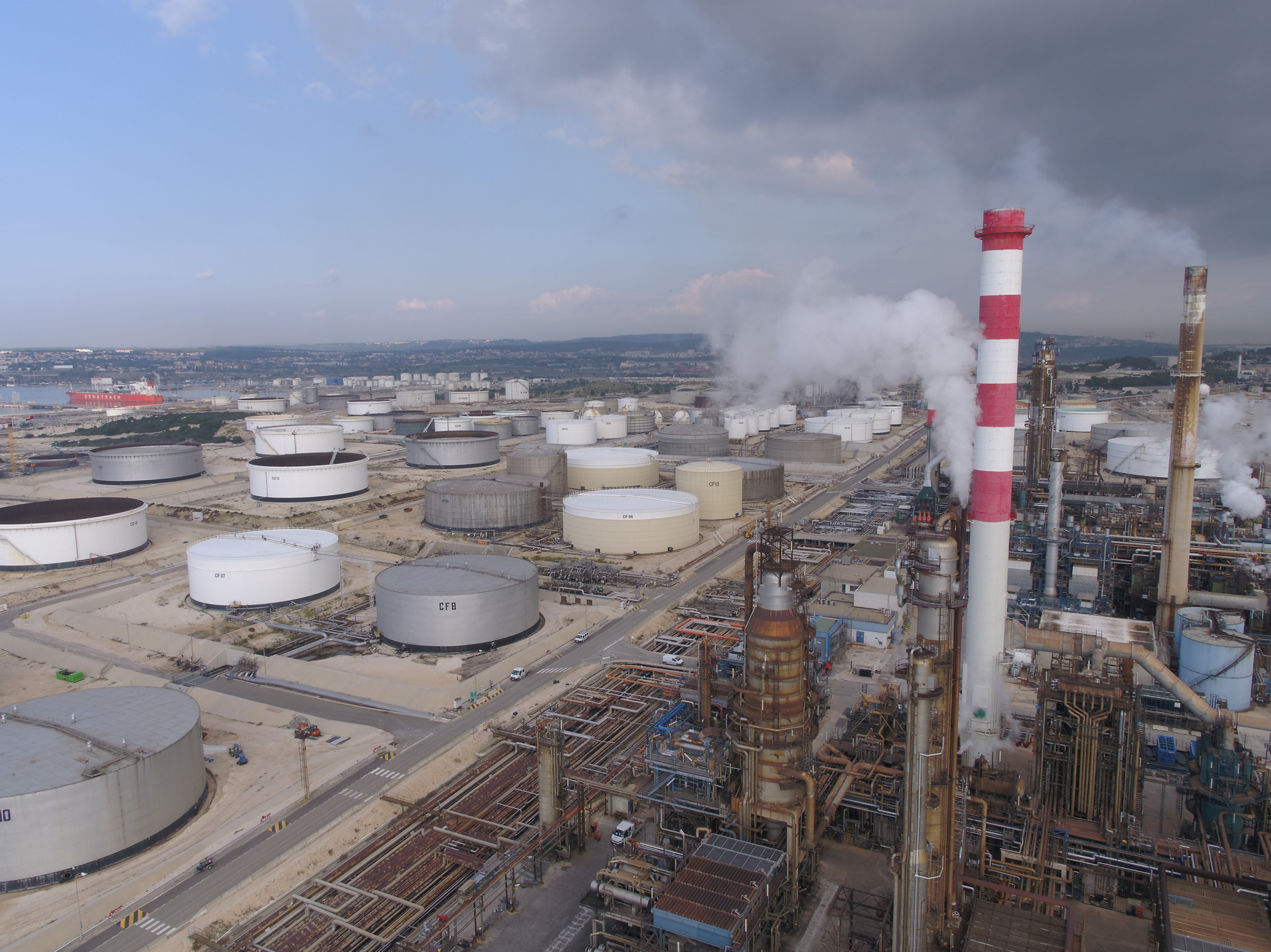
India's chemical industry is expected to maintain strong growth momentum despite mounting global pressures, supported by structural advantages and emerging demand drivers. According to a recent report by McKinsey, the global chemicals sector has entered 'a structurally different operating environment,' characterized by overcapacity, weak demand, and pricing pressures. These trends have begun to weigh on Indian companies as well, softening near-term performance. However, the outlook for India remains optimistic. The report notes that the country's strong domestic demand, competitive cost base, and expanding role in global value chains provide structural resilience, positioning it favorably in a challenging global market. India's chemical market is projected to grow at a compound annual growth rate (CAGR) of 8–9%, reaching USD 230–255 billion by 2030, up from the current USD 155–165 billion. The report adds that the industry could continue to outpace overall GDP growth, driven by both traditional consumption and emerging sectors. Growth is expected to be supported by rising demand from consumer goods and packaging, expansion in infrastructure and construction, and increased industrial activity. At the same time, companies are being encouraged to look beyond domestic markets. The report highlights significant opportunities for firms willing to scale capabilities and compete as global suppliers. A key driver of future growth will be the emergence of new industrial ecosystems. The report identifies eight high-growth sectors—including construction, semiconductors, renewable energy, and automotive—that could collectively add USD 30–35 billion to chemical revenues by 2030. These sectors are benefiting from policy support, localization efforts, and capital investments, creating a multiplier effect on chemical demand. India's USD 31 billion chemical trade deficit also presents a major opportunity for domestic players. The report points to substantial scope for import substitution, particularly in segments such as inorganics and polymers. Expanding local capacity in these areas could reduce import dependence while enhancing global competitiveness. Despite the strong long-term outlook, the industry faces short-term challenges. Revenue growth between FY2019 and FY2025 has remained moderate at 6–7%, while EBITDA margins have compressed across multiple segments. The report also highlights increasing divergence within the sector. A limited group of companies is achieving double-digit growth along with margin expansion, while a larger cohort continues to experience modest growth and flat margins. Global factors, particularly rising exports from China, are adding further pressure. Increased supply and declining prices have intensified competition, leading to sustained margin pressure for Indian producers. As the industry navigates this transition, companies are being urged to recalibrate their growth strategies. The report emphasizes that profitable growth will depend on sharper choices in portfolios, capabilities, capital allocation, and execution. Rather than relying solely on volume expansion, future success will hinge on moving into specialty and differentiated segments, strengthening innovation and R&D, building global operating capabilities, and leveraging digital and AI-driven efficiencies. The coming decade, the report suggests, will favor companies that combine scale with strategy, positioning India as a more prominent player in the global chemicals landscape.
Source: Read the original report | Published: March 17, 2026