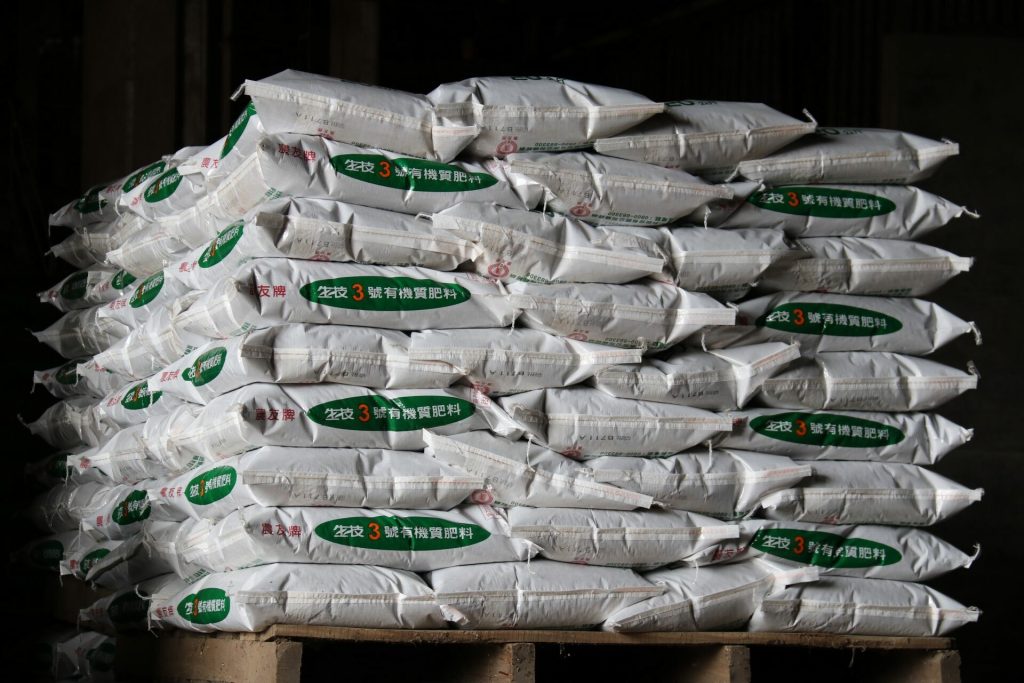
The ongoing US-Iran conflict has disrupted shipping through the Strait of Hormuz, threatening global urea supply and pushing up nitrogen and potash fertilizer prices. Taiwan's largest fertilizer supplier, TFC, assures sufficient stocks for six months, while the government monitors industrial demand to prevent diversion of agricultural urea. Overseas buyers should watch for price volatility and logistics shifts.
Supply-chain impact
Iran and Qatar together account for nearly 20% of global urea trade, or about 9–10 million metric tons annually, according to Fangcun Securities. The conflict has already pushed March average urea prices in the Arabian Gulf to USD 524 per metric ton, up 9.6% from February. Urea is a key raw material for nitrogen fertilizers, and price increases are expected to cascade to nitrogen and potash markets. Israel and Jordan produce about 10% of global potash, adding further supply risk.
Taiwan fertilizer stocks and sourcing
Taiwan Fertilizer Co. (TFC), holding about 70% of Taiwan's chemical fertilizer market, stated on March 11 that combined inventory and in-transit raw materials ensure six months of supply. TFC diversified its sourcing to Southeast Asia, Europe, and Australia, avoiding conflict zones. The company began stockpiling raw materials in late 2025, with deliveries continuing through the first half of 2026. Liquid ammonia has already arrived, and other inputs are on schedule.
What buyers should watch
Fertilizer buyers should monitor urea spot prices and shipping costs through the Strait of Hormuz. The conflict may also raise freight rates for agricultural machinery, as oil prices have surged 30%. Taiwan's Agricultural and Food Agency (AFA) noted that freight accounts for 1–10% of imported machinery costs, but no price hikes are yet announced. Organic fertilizer makers, like Fwusow Industry, face higher energy and transport costs for imported soybean meal from India.
Compliance and logistics signals
Taiwan's AFA coordinates with the Ministry of Economic Affairs to prevent industrial diversion of agricultural urea. During the Russia-Ukraine war, industrial buyers competed for urea, prompting tighter export controls. Currently, all urea is imported from Indonesia, Malaysia, and other Asian sources. The AFA issues export permits to ensure agricultural supply. TFC maintains raw material stocks from at least two to three countries, with inventory covering production through June–December 2026.
China sourcing context
While Taiwan's fertilizer supply chain is relatively secure, the broader Asian market may face upward price pressure from Middle East disruptions. Chinese urea exporters could see increased demand from regional buyers seeking alternatives. However, China's own domestic urea prices and export policies will influence availability. Importers should evaluate long-term contracts and diversify sourcing to mitigate risks from geopolitical shocks.
Source: Read the original report | Published: March 11, 2026