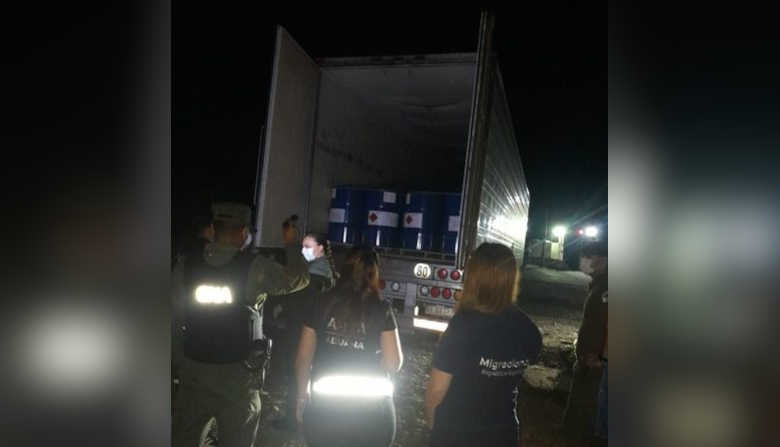
On March 18, Argentine Gendarmerie intercepted two semi-trailer trucks at the Aguas Blancas-Bermejo border crossing in Salta, carrying 35,144 kg of ethyl acetate in 191 drums. The shipment, originating from Fray Bentos bridge in Uruguay and declared for Cochabamba, Bolivia, was found with false documentation, lacking required safety measures for a highly flammable substance, and without proper registration in Argentina's RENPRE system. Both Bolivian drivers were arrested, and the cargo, trucks, and phones were seized. The case is now under federal jurisdiction in Orán.
Regional supply-chain shift
Ethyl acetate, a common industrial solvent, is also a key precursor for cocaine hydrochloride crystallization. The industrial-scale volume—far beyond small-time trafficking—signals a major logistical operation. Analyst Edward Holfman, an organized crime expert, noted this is not an isolated incident but a paradigm shift in precursor routes. Historically, Argentina and Brazil were primary suppliers, but tighter controls there have pushed the route through Uruguay.
How the diversion works
According to Holfman, criminal groups legally import ethyl acetate from China or Europe into Uruguay, then re-export it using shell companies with false paperwork. "The purely documentary control in Uruguay is being breached by paper companies. Security rings exist on paper, but real control still depends on luck, intuition, or a criminal's mistake," he said. The 35-tonne shipment, highly flammable, traveled without minimum safety measures, posing a rolling time bomb.
Compliance and logistics signals
On March 29, Argentina's customs authority dismissed four chiefs at the Gualeguaychú customs office for control failures that allowed the precursors to enter Argentina illegally via the international bridge. Holfman urged urgent revision of binational cooperation agreements between Uruguay's National Drug Board and Argentina's Security Ministry, including operational intelligence, physical scanning at border crossings, and audits of chemical export companies. "While we discuss 10-year plans, the trucks are already on the road," he summarized.
What buyers should watch
For chemical importers and distributors in the region, this case highlights increased scrutiny on ethyl acetate and other listed precursors moving through Uruguay. Expect tighter documentary and physical inspections at borders, potential delays for legitimate shipments, and stricter enforcement of RENPRE registration in Argentina. Companies sourcing from or through Uruguay should verify all export documentation and safety compliance to avoid seizure or legal liability.
Source: Read the original report | Published: March 30, 2026