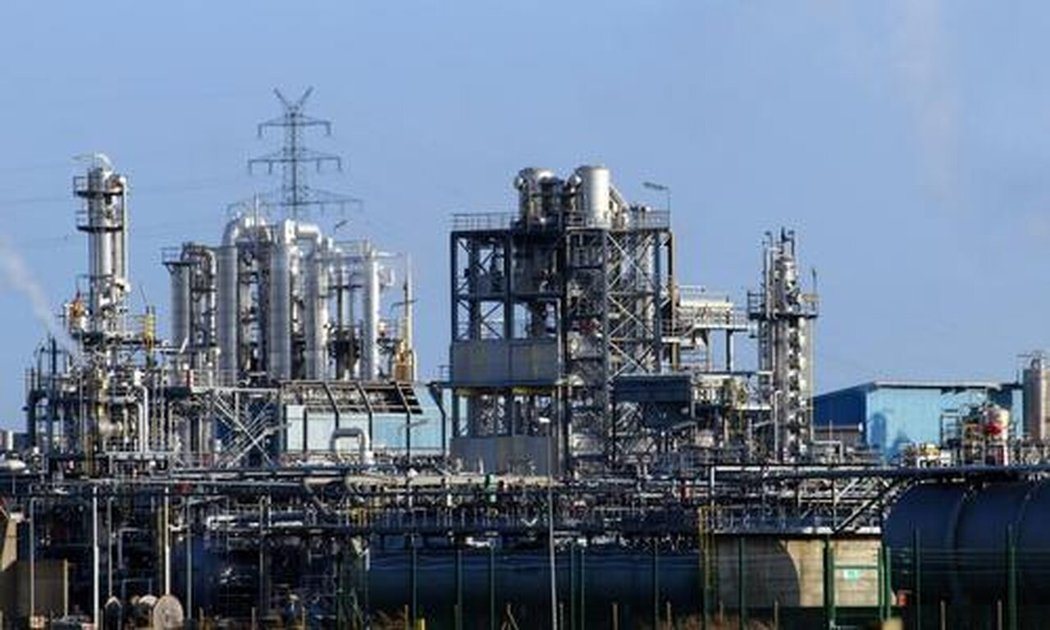
China's Ministry of Industry and Information Technology (MIIT) and six other central departments have jointly released a plan to accelerate the upgrade of aging petrochemical units, requiring provincial authorities to guide enterprises in developing tailored retrofit plans. The initiative aims to complete all 2025-identified renovation tasks by 2029, with subsequent tasks progressing on schedule. This move signals tighter supply-side management for overseas buyers sourcing chemicals from China, as capacity rationalization could tighten availability and lift prices for key commodities like soda ash, methanol, and urea.
Scope and scale of the retrofit mandate
The plan targets production units that have been in operation for over 20 years. According to preliminary surveys by the Petroleum and Chemical Industry Planning Institute, more than 1,600 such units exist nationwide, spanning refining, ethylene, synthetic ammonia, urea, and other subsectors. Nearly 90% of these units belong to hazardous chemical enterprises. Provincial authorities must register each unit and establish a ledger, with retrofits generally required to be completed within five years.
Compliance and logistics signals
Starting in 2027, annual rolling surveys will identify new aging units, and those deemed not requiring immediate retrofit will be reassessed every three years. Units undergoing retrofits may have their first reassessment extended to the sixth year after completion. The plan encourages cities in the Beijing-Tianjin-Hebei region and the "2+36" air-pollution control zone to complete retrofits first, potentially causing localized supply disruptions.

China sourcing context
Former MIIT official Chang Guowu noted that China's petrochemical sector includes over 27,000 enterprises above designated size, many with outdated design and automation standards. The plan aims to improve safety, environmental performance, and operational efficiency. Analysts at Guoxin Futures expect supply contraction in soda ash, methanol, PVC, and caustic soda, with price upside for soda ash and methanol due to high old-capacity ratios, while PVC and caustic soda may see moderate price recovery.
What buyers should watch
Importers and distributors should monitor provincial retrofit schedules, especially in key chemical hubs. The "one-enterprise-one-plan" approach means individual plant shutdowns may be unpredictable. Price trends for urea, synthetic ammonia, soda ash, methanol, and chemical fibers are likely to strengthen. Buyers may want to secure medium-term contracts or diversify sources to mitigate supply risks from China's capacity rationalization.
Source: Read the original report | Published: April 04, 2026