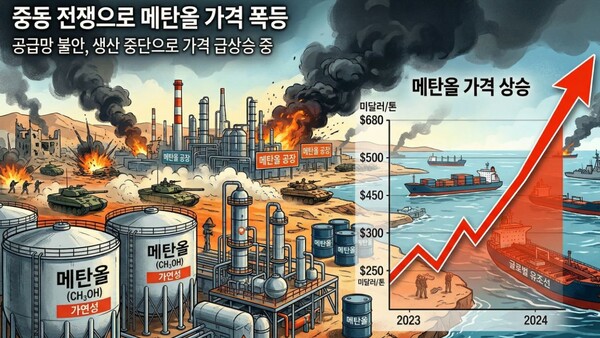
Methanol, a key feedstock for formaldehyde, acetic acid, ethylene glycol, and other basic chemicals used in paints, adhesives, plastics, antifreeze, and fuels, is facing severe supply tightness in China. Prices have jumped 20% in a month due to the Middle East crisis and potential Strait of Hormuz blockade, threatening cost increases for downstream manufacturers and importers worldwide.
Supply-chain impact
China, the world's largest methanol producer and also a major importer, relies on the Middle East for 65% of its imported methanol. Last year, China's methanol production capacity reached 90-100 million tonnes, but consumption hit 105.67 million tonnes, necessitating substantial imports from Saudi Arabia, Oman, UAE, and Iran. The ongoing conflict and blockade risks have sharply reduced these inflows, tightening domestic supply.
Price surge and market outlook
According to China's National Bureau of Statistics, domestic methanol prices hit 2,515 yuan per tonne (approx. $350) at end-March, up 20% from February 28 before the Middle East war escalated. Analyst Hu Xin from Xinda Futures, cited by Sina Finance, expects Q2 methanol markets to remain tight as geopolitical risks lift costs and reduce both domestic and overseas supply.
What buyers should watch
If the Strait of Hormuz remains blocked through Q2, import volumes will stay low and supply-demand balance will remain tight. Should tensions ease, geopolitical premiums could fade, leading to price corrections. South Korea, another major importer from the Middle East, also faces supply disruptions, amplifying regional sourcing risks.
China sourcing context
Importers and distributors should monitor China's methanol price movements closely, as they directly impact costs for paints, adhesives, plastics, and antifreeze. The current tightness may persist until Middle East stability returns, making alternative sourcing from other regions or stockpiling strategies critical for supply-chain resilience.
Source: Read the original report | Published: April 06, 2026