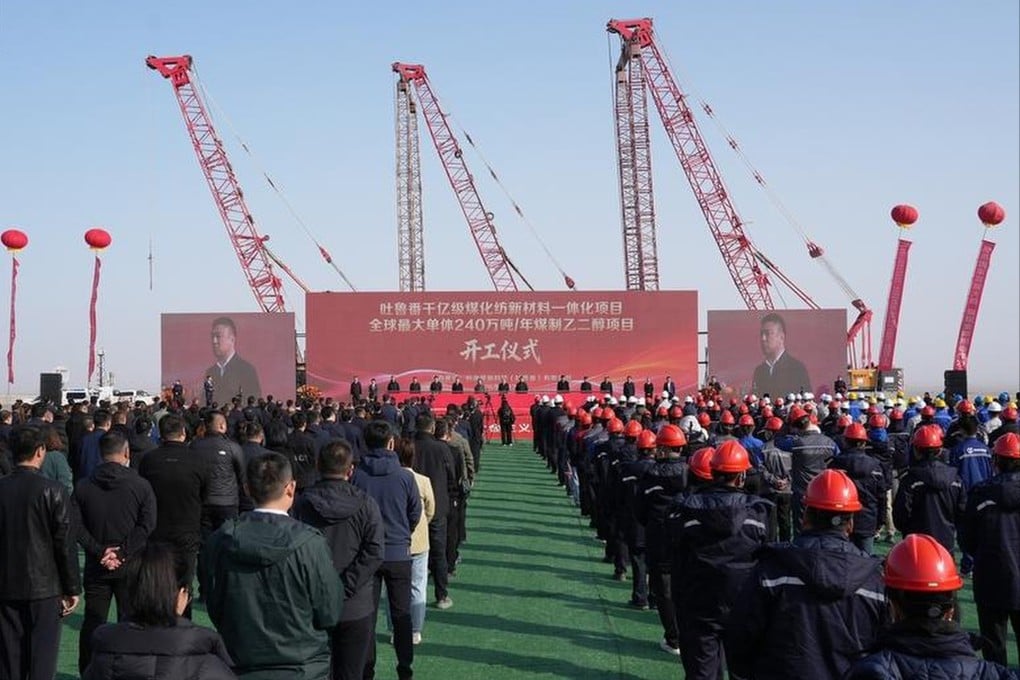
China is accelerating the construction of large-scale chemical plants, including the world's largest coal-to-ethylene glycol project in Xinjiang, to secure critical industrial chemicals and reduce reliance on imports disrupted by the Middle East conflict. This move signals a strategic shift for global buyers dependent on Chinese chemical exports, as domestic tech breakthroughs enable faster, more self-sufficient production.
Project details
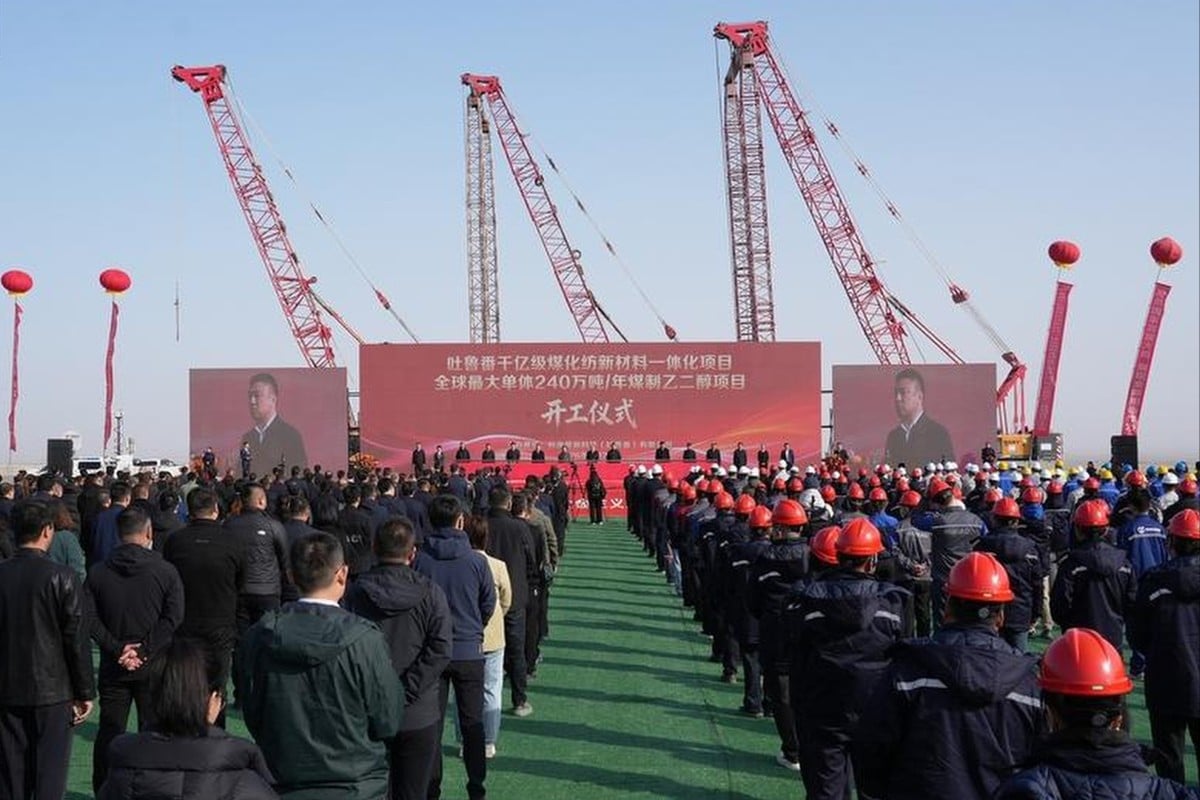
On March 20, construction began on the world's largest coal-to-ethylene glycol project in Xinjiang's Turpan prefecture, with an expected annual capacity of 2.4 million tonnes, according to state news agency Xinhua. Ethylene glycol is a key industrial chemical used as antifreeze and as a raw material for plastics manufacturing.
Technology breakthroughs
China's first 100,000-tonne/year solution process-based polyolefin elastomer (POE) industrial plant, using entirely domestic technology, entered a critical commissioning stage at Sinopec's Tianjin Petrochemical facility, as reported on March 22 by China Science Daily. These innovations in coal-to-chemical efficiency and novel POE catalysts help fast-track mega plant expansions.
Supply-chain impact
The global supply chain for high-end chemicals, many derived from oil and natural gas, has been significantly affected by the effective closure of the Strait of Hormuz since the US and Israel launched the war on Iran. The Middle East is a major production and export hub for finished chemicals, and China is a key buyer. These new projects could insulate China from external market shocks.
What buyers should watch
Overseas importers and distributors should monitor China's growing self-sufficiency in ethylene glycol and POE, which may reduce export availability or shift pricing dynamics. The coal-to-chemical route also introduces different cost structures and carbon footprints compared to traditional oil-based production, potentially affecting long-term supply agreements and compliance with green trade policies.
Source: Read the original report | Published: April 01, 2026