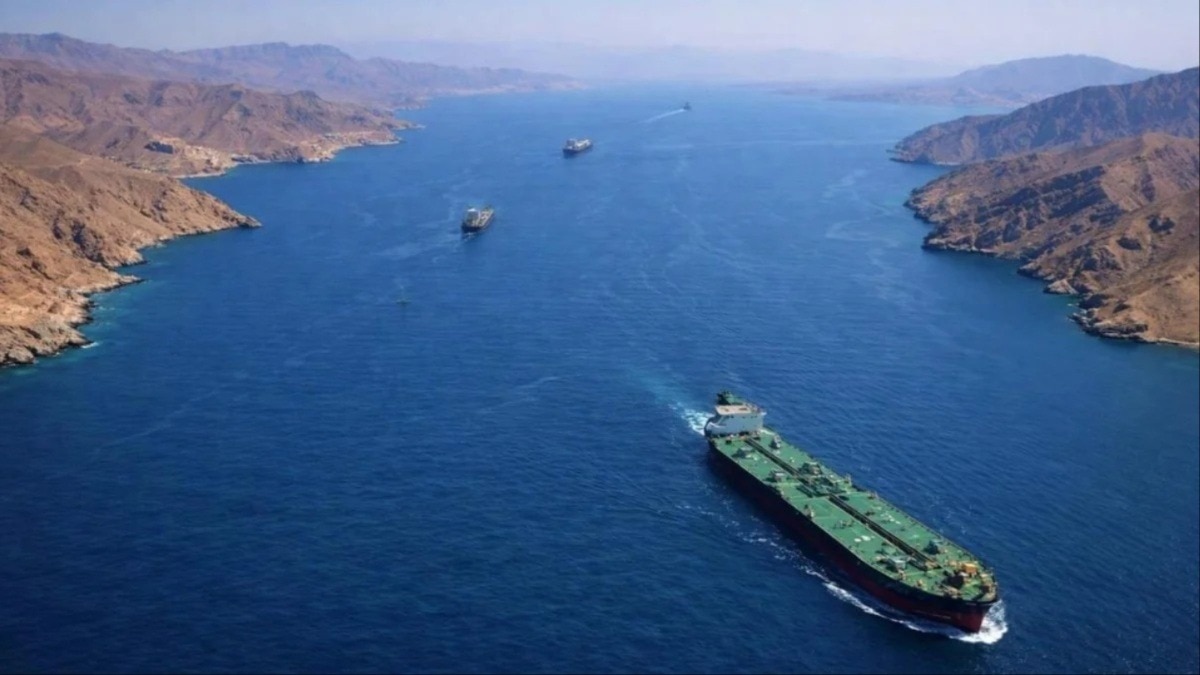
India has temporarily removed customs duties on a range of chemicals and plastics from April 2 to June 30, 2026, in response to supply disruptions caused by the US-Israel-Iran War and restrictions in the Strait of Hormuz. The move eliminates an 8.25% import duty on critical raw materials such as methanol, acetic acid, VCM, PTA, MEG, phenol, styrene, and major plastics including polyethylene, polypropylene, PVC, and ABS. For overseas chemical suppliers and traders, this signals a short-term window of reduced import costs for Indian buyers, but persistent supply chain bottlenecks may limit actual trade flows.
Duty relief scope and affected chemicals
The Indian government has removed the 8.25% import duty on key chemicals and petrochemicals from April 2 to June 30, 2026. The affected products include methanol, acetic acid, VCM, PTA, MEG, phenol, styrene, and major plastics such as polyethylene, polypropylene, PVC, and ABS. This temporary measure aims to ease cost pressures on domestic MSMEs, which have faced production cuts, revenue losses, and job risks.
Impact on Indian downstream industries
Half of Morbi's ceramic units have shut down, causing heavy losses in a Rs 53,000 crore industry. The plastic sector is also struggling, with raw material prices up by 45%, production down by 40%, and nearly 30% of its 5 million workers at risk. While the duty cut will reduce input costs, the broader supply disruption remains a critical concern.
Supply-chain vulnerability and Strait of Hormuz disruptions
Restrictions in the Strait of Hormuz, a key global trade route, are causing shipment delays and shortages. According to 2023–24 data from the Ministry of Chemicals and Fertilisers, India depends on the Middle East for 55.1% of its chemical imports. The rest of Asia, mainly China, contributes 33.9%, while North America, Europe, and Africa have smaller shares of 4.9%, 3.8%, and 2.3%, respectively. Major suppliers include Oman, China, Saudi Arabia, Iran, Turkey, Malaysia, the United States, and Qatar. Oman is the largest supplier with over 1.1 million metric tonnes, followed by China.
What buyers should watch
Even with lower duties, supply uncertainty remains a major concern due to ongoing Strait of Hormuz restrictions. Importers and distributors should monitor shipment lead times and consider alternative sourcing from Asia, particularly China, which accounts for 33.9% of India's chemical imports. The temporary duty window may offer cost advantages for spot purchases, but logistics reliability will be the key factor for trade execution.
Compliance and logistics signals
The duty removal is effective from April 2 to June 30, 2026, and applies to a defined list of chemicals and plastics. Importers should verify product classifications and ensure compliance with Indian customs procedures during this period. Given the geopolitical tensions, logistics insurance and route planning should account for potential delays in the Strait of Hormuz.
Source: Read the original report | Published: April 07, 2026