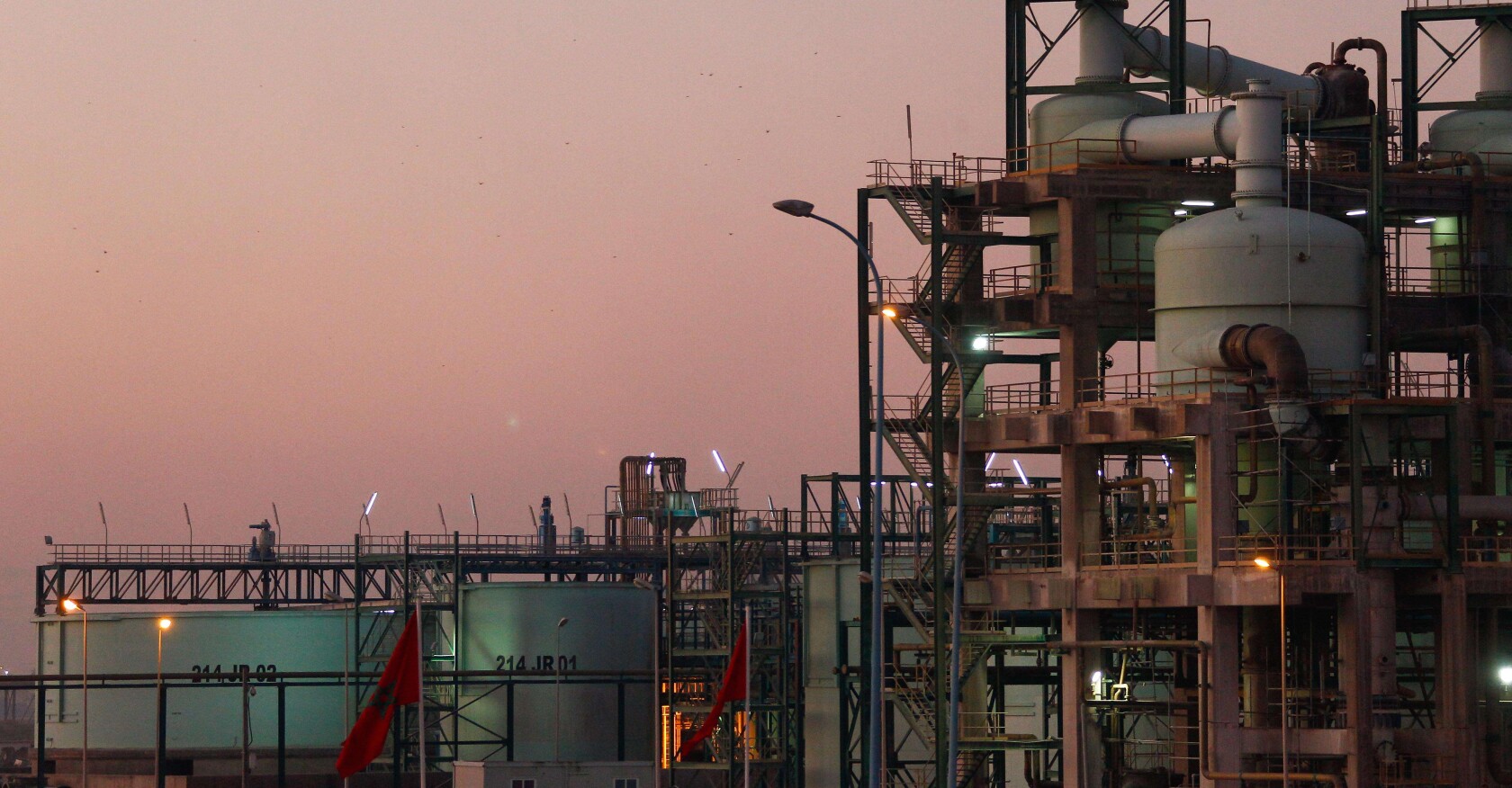
Morocco, holding nearly three-quarters of the world's phosphate reserves, is positioning itself as a future leader in high-value compound fertilizers. State-controlled OCP is investing $13 billion to expand production capacity to 27 million tonnes by 2030, targeting Western-style advanced fertilizers and green ammonia, a shift that will impact global fertilizer supply chains and pricing dynamics for importers and distributors.
Massive capacity expansion at Mzinda and Jorf Lasfar
OCP is building a 460-hectare chemical processing complex near Mzinda, 240 km southwest of Casablanca. By end-2026, the site is expected to produce 4.5 million tonnes per year of phosphate fertilizers (TSP and TSP+), ramping up to 9 million tonnes by 2028. These intermediates will feed OCP's Jorf Lasfar industrial hub, where advanced compound fertilizers are manufactured for global markets.

Shift from basic phosphates to premium compound fertilizers
Historically, Morocco exported basic phosphate fertilizers suited for nutrient-deficient soils in Africa and other regions. OCP now aims to become a global leader in compound fertilizers—more expensive but more efficient products already common in Western agriculture. This strategic pivot targets higher margins and deeper penetration into developed markets.
Green ammonia and carbon neutrality goals

OCP has committed to carbon neutrality by 2040 and plans to produce 3 million tonnes of green ammonia annually. Green ammonia, made using renewable energy, is a key input for nitrogen-based fertilizers and a growing segment in sustainable agriculture. This aligns with global regulatory trends favoring low-carbon inputs.
What buyers should watch
Importers and distributors should monitor OCP's ramp-up timeline: 4.5 Mt by 2026 and 9 Mt by 2028 at Mzinda, plus overall 27 Mt by 2030. The shift to compound fertilizers may tighten supply of basic phosphates while increasing availability of premium products. Green ammonia output could also affect nitrogen fertilizer pricing and sourcing strategies for European and North American buyers facing carbon border taxes.
China sourcing context
Morocco's expansion adds a major new supply source for phosphate-based fertilizers, potentially competing with Chinese exports. Chinese buyers of phosphate rock and intermediates may see increased competition for raw materials, while Chinese fertilizer producers could face pricing pressure in global markets as OCP scales up advanced product lines.
Source: Read the original report | Published: April 06, 2026