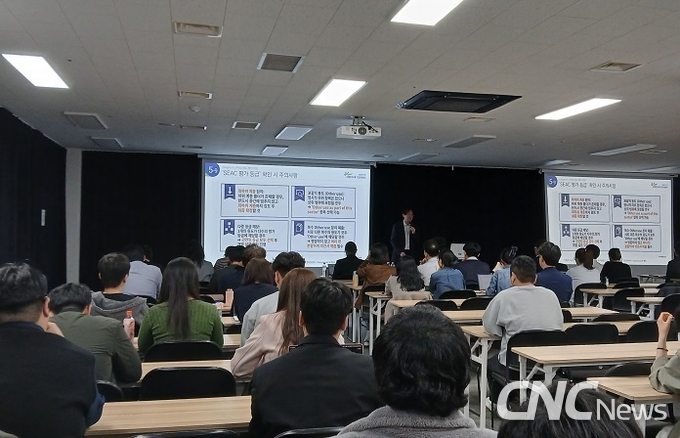
The EU is moving closer to restricting PFAS under REACH, with a public consultation on the Socio-Economic Analysis Committee (SEAC) draft opinion open until May 25, 2025. Cosmetics, which use PFAS as an intentionally added ingredient, are expected to face an immediate ban after the transition period, with no grace period for substitution. This development signals urgent compliance and reformulation needs for global chemical buyers and formulators supplying the EU cosmetics market.
Regulatory timeline and key dates
On March 20, 2026, the European Chemicals Agency (ECHA) adopted the Risk Assessment Committee (RAC) opinion and published the SEAC draft opinion, triggering a 60-day public consultation ending May 25, 2026. The final SEAC opinion is expected to be adopted in December 2026. The European Commission will then submit its final proposal, followed by a European Parliament vote on REACH amendment in 2027, with enforcement targeted for 2028.
Cosmetics: no transition period expected

Kim Seong-hoon, team leader at the Korea National Cleaner Production Center, stated: "Cosmetics incorporate PFAS as an intentionally added ingredient, so substitution is deemed feasible. Therefore, the ban is likely to take effect immediately after the transition period, without any additional grace period." This means cosmetics containing PFAS—such as lipsticks, foundations, and mascaras used for waterproofing, color retention, and smooth application—must be reformulated before the 2028 enforcement date.
SEAC restriction options and industry impact
The SEAC analysis evaluates three restriction options (RO): RO① full ban with no exceptions after transition; RO② transition period with sector-specific grace periods of 5 or 12 years; and RO③ continued use under controlled conditions (used only for socio-economic analysis, not as a separate restriction). Industry stakeholders must select the appropriate RO for each of the 23 identified sectors and over 200 subcategories, as this choice directly influences the economic impact assessment and justification for transition periods.
What buyers should watch

Global chemical buyers and formulators should monitor the May 25, 2026 deadline for submitting SEAC comments, as this is the last formal opportunity for non-EU stakeholders to influence the restriction scope. Companies supplying PFAS-based ingredients for cosmetics, coatings, textiles, and other applications should prepare substitution roadmaps and engage with industry associations to submit socio-economic impact data. The EU is considering exceptions based on alternative development progress, so proactive communication of substitution challenges and timelines is critical.
China sourcing context
While the article focuses on EU regulation, the impact extends to global supply chains. Chinese manufacturers and exporters of cosmetics ingredients, particularly those using PFAS for performance properties, should assess their exposure to EU markets. The push for PFAS-free formulations aligns with broader clean beauty trends, and early adoption of alternatives may offer competitive advantages in both EU and domestic markets.
Source: Read the original report | Published: April 22, 2026