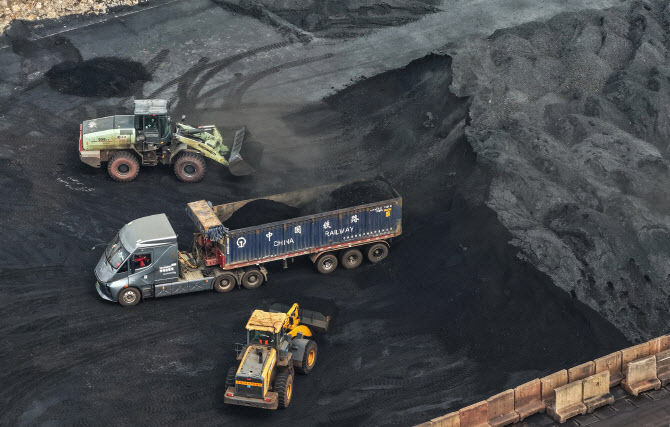
The Iran conflict has effectively blocked the Strait of Hormuz, forcing Asian economies to pivot toward coal. Taiwan is restarting coal-fired power to replace disrupted LNG supplies, while China is shifting from burning coal to converting it into chemical feedstocks like olefins. This structural shift reshapes energy and chemical supply chains across the region, with direct implications for importers of petrochemicals, plastics, and solvents.
Taiwan restarts coal power to secure semiconductor factories
Taiwan Power Company, the state-owned utility, will purchase coal-fired electricity from the Mailiao power plant starting next month, according to Bloomberg. Taiwan's Ministry of Economic Affairs confirmed the restart of Units 1 and 3. Taiwan relies on LNG for about half of its electricity generation, with roughly one-third of its LNG imports coming from Qatar last year. The Iran conflict disrupted Qatar's largest LNG export terminal and blocked the Strait of Hormuz, crippling supply chains. Taiwan has secured LNG volumes through May and contracted about half of its June demand, but additional procurement costs are estimated in the billions of dollars. The ministry stated the coal restart is a response to LNG supply risks and aims to mitigate the impact of high gas prices on electricity tariffs.
China shifts from burning coal to chemical feedstocks
China Shenhua Energy, the country's largest listed coal company, is cutting coal output by 0.6% this year while investing heavily in facilities that convert coal into olefins—basic feedstocks for plastics, fibers, and solvents. Shenhua plans to double its annual olefins capacity to 1.4 million metric tons by next year. Olefins are typically produced from naphtha or LPG derived from crude oil. The Strait of Hormuz blockade has tightened those feedstock markets, making coal-based production far more competitive. China International Capital Corporation (CICC) notes that the margin advantage of coal over oil in chemical production is now the widest since 2015. "Rising oil prices weaken petrochemical supply availability while boosting demand and competitiveness for coal-to-olefins," said Shenhua CEO Zhang Changyan. Shenhua is also acquiring coal-to-chemicals assets worth approximately USD 19 billion from its parent company.
Coal-to-chemicals boom reshapes supply dynamics
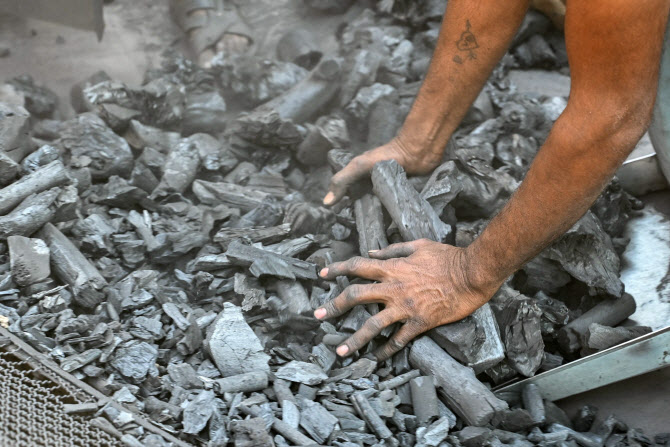
Ningxia Baofeng Energy, China's largest coal-to-olefins producer, saw net profit surge 79% last year after expanding annual capacity to 5 million metric tons. Sinopec, the country's largest refiner, has restarted a long-dormant coal-to-olefins project with an investment exceeding USD 3 billion. This shift means Chinese producers are increasingly replacing naphtha-based olefins with coal-based output, potentially altering global petrochemical trade flows. Importers of ethylene, propylene, and derivatives should monitor how this capacity expansion affects pricing and availability in Asia.
What buyers should watch: coal dependence rises across Asia
South Korea, Japan, and Bangladesh have already increased coal reliance, while Poland and other European nations are considering expanding coal-gas use. Germany is weighing the restart of idled coal-fired power plants. South Korea faces a double squeeze: high LNG import dependence pushes up electricity costs, while naphtha-based petrochemical producers must cope with feedstock disruptions and competition from Chinese coal-to-olefins exports. The evolution of the Strait of Hormuz situation will determine how aggressively Asian economies pivot their energy and chemical strategies.
Source: Read the original report | Published: April 07, 2026