
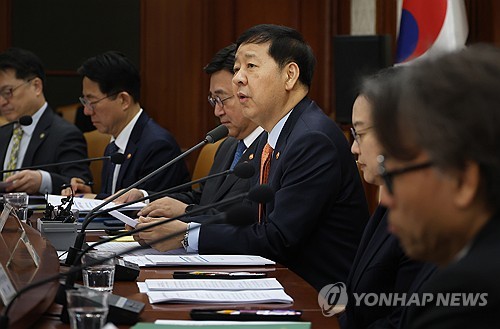
South Korea's Deputy Prime Minister and Minister of Economy and Finance, Khoo Yoon-cheol, announced on April 3 that the government will apply special fast-track import registration procedures for chemicals facing supply concerns, such as paints, to significantly reduce import lead times. The move aims to ease supply-chain bottlenecks and procedural hurdles for key industrial inputs, directly benefiting overseas chemical exporters and importers serving the Korean market.
Supply-chain impact
The measures target chemicals like paints and naphtha derivatives, which are critical for downstream industries including packaging, plastics, and petrochemicals. For naphtha, emergency supply-adjustment measures have been in effect since March 27, prioritizing essential items like vinyl. The government will also consider additional actions for naphtha derivatives and petrochemical products based on supply conditions.
Compliance and logistics signals
Importers of energy and raw materials will benefit from pre-arrival customs clearance, allowing clearance before docking and unloading. Companies importing goods from the Middle East will receive freight-rate special treatment. These steps are designed to reduce logistics delays and costs for overseas suppliers shipping to South Korea.
What buyers should watch
Overseas chemical suppliers should monitor South Korea's fast-track import registration for paints and other chemicals in short supply, as this could create near-term demand opportunities. The temporary easing of packaging-labeling rules for food, hygiene products, and pharmaceuticals may also open doors for alternative packaging materials. Buyers should prepare for potential shifts in naphtha and petrochemical supply priorities.
China sourcing context
While South Korea is a major chemical producer, its reliance on Middle Eastern feedstocks and imported chemicals means supply disruptions can ripple across regional markets. Chinese chemical exporters may find increased demand for substitute materials, especially for naphtha derivatives and packaging inputs, as South Korea seeks to stabilize its supply chain amid Middle East tensions.
Source: Read the original report | Published: April 03, 2026