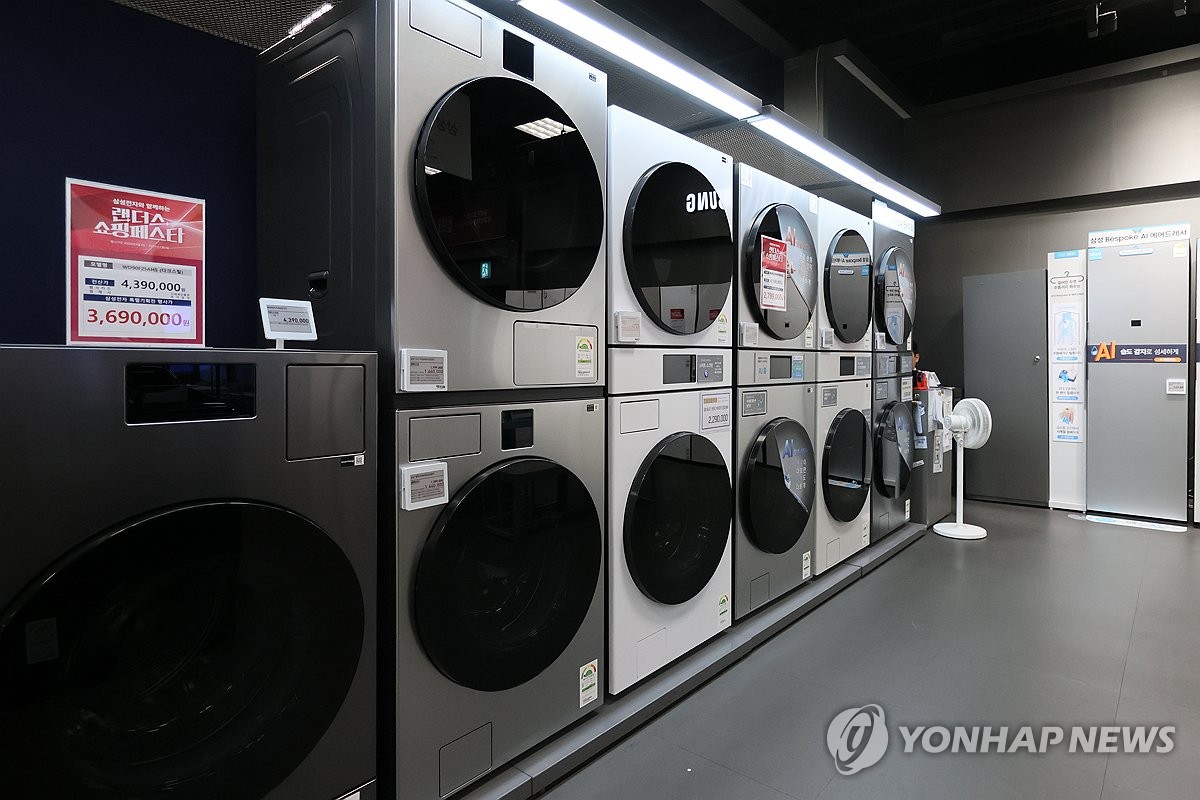
The US government has abolished the value-of-content calculation method for steel, aluminum, and copper derivatives under Section 232 of the Trade Expansion Act, switching to a flat 25% tariff on the full product price for most downstream goods. This change, effective April 6, 2026, directly impacts South Korean exporters of finished products such as home appliances, machinery, and automotive parts. Importers and distributors should review their supply contracts and customs classifications to assess new cost exposure.
Key tariff changes
The new rule eliminates the previous system where tariffs were applied only to the metal content value of a product. Instead, tariffs will now be calculated on the total product price. Products made almost entirely of steel, aluminum, or copper face a 50% tariff, while derivatives with a significant metal share incur 25%. Certain industrial machinery and power grid equipment receive a temporary 15% rate until next year.
Exemptions and exclusions
Products with a low metal content are excluded from the derivative tariff scope. Cosmetics, chemical products, foodstuffs, furniture, and lighting are not subject to the new tariffs. Additionally, any product where the combined weight of steel, aluminum, and copper is less than 15% of the total product weight is exempt. This provides relief for many specialty chemical and formulated product categories.
Compliance and logistics signals
The US Commerce Department will review the measure after 90 days. The previous semi-annual application process for derivative product additions is abolished, though the administration retains authority to add items. South Korea's Ministry of Trade, Industry and Energy held an emergency video conference with industry associations and trade bodies on April 3 to assess impacts and coordinate responses.
What buyers should watch
Importers of finished goods containing metals should verify whether their products fall under the 25% or 50% tariff bracket. The shift from value-of-content to full-price basis may significantly increase landed costs for items like washing machines, refrigerators, and industrial equipment. South Korean authorities plan a follow-up meeting on April 8 to provide detailed guidance and collect company feedback.
Source: Read the original report | Published: April 03, 2026