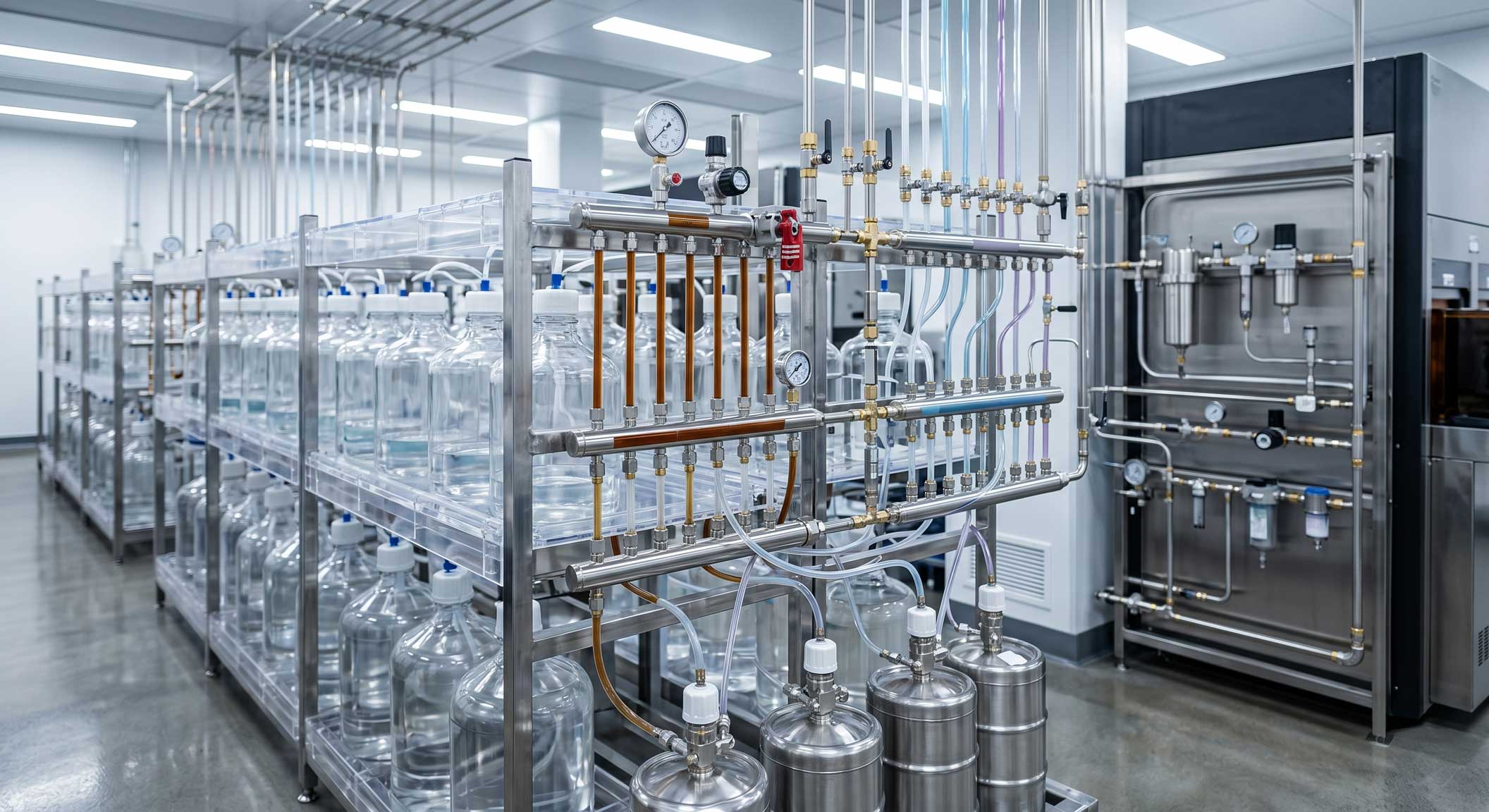
South Korea's semiconductor sector faces growing supply risks from specialty materials, with bromine imports reaching 97.5% dependence, according to TrendForce. This vulnerability, combined with broader shortages of chemicals, gases, and substrates, threatens to disrupt advanced chip fabrication and global supply chains, making material constraints a primary limiting factor alongside capacity issues.
Supply-chain impact
Bromine is critical in etching and cleaning processes for advanced semiconductor manufacturing. Any interruption affects process consistency and yield, and with limited alternative supply routes, disruptions can cascade into production delays and increased defect rates. The report warns that "material disruptions may outweigh energy uncertainty," underlining the severity of these inputs.
Broader material constraints
Reuters reports that global chip supply chains face "new risks from specialty materials shortages," reflecting a tightening across chemicals, gases, and substrates. EE Times highlights that shortages of key inputs are "posing new risks to chip production," particularly where high-purity materials are required for advanced nodes. Unlike equipment bottlenecks, material shortages emerge rapidly and are harder to predict.
What buyers should watch
Many specialty chemicals have highly concentrated supply bases, with production tied to specific regions or suppliers. Substitution is limited due to strict process requirements and qualification cycles. Companies are increasing inventory buffers and exploring secondary suppliers, though qualification timelines remain a constraint. The situation is likely to remain volatile, particularly if geopolitical factors continue to affect material flows.
China sourcing context
For overseas buyers, this highlights the importance of diversifying chemical supply sources beyond traditional regions. China remains a major producer of bromine and other specialty chemicals, but trade tensions and logistics disruptions can affect availability. Importers should monitor qualification cycles for alternative suppliers and consider strategic stockpiling to mitigate risks.
Source: Read the original report | Published: April 16, 2026