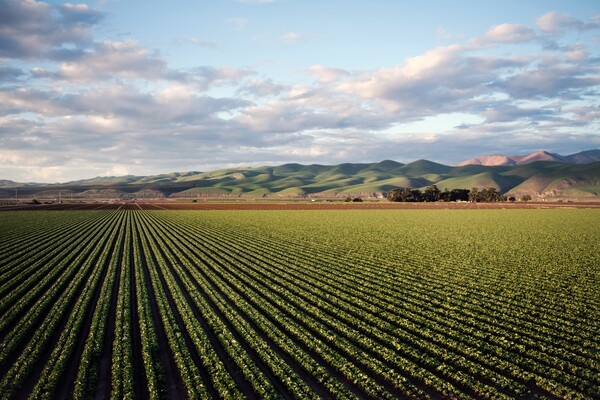
California is ramping up legislative action to restrict PFAS-containing pesticides after new data revealed over 2.5 million pounds of these 'forever chemicals' were applied to crops from 2018 to 2023. For overseas chemical buyers and agricultural input suppliers, this signals tightening compliance risks and potential shifts in pesticide formulations, alternative chemistries, and supply-chain sourcing strategies in one of the world's largest agricultural markets.
PFAS pesticide use in California: scale and detection
From 2018 to 2023, more than 2.5 million pounds (approximately 1.13 million kg) of PFAS-containing pesticides were applied across California, according to recent investigations. Residue testing found at least one PFAS pesticide ingredient in about 40% of conventional produce grown in the state. This widespread detection indicates that PFAS has entered the food supply chain through direct agricultural application, not just through industrial emissions or water contamination.
Regulatory gaps exposed by agricultural PFAS use
Existing chemical regulations in the U.S. typically manage substances individually, but PFAS comprises thousands of compounds, making comprehensive oversight difficult. Pesticides are applied directly to crops, creating a direct pathway from soil and water to food products. However, most PFAS regulations have focused on industrial discharge and drinking water, leaving agricultural use relatively unexamined until now. California's findings highlight a critical blind spot in the regulatory framework.
California legislative response and phased approach
California's state legislature is now moving to reconsider how and when PFAS pesticides can be used. Discussions include partial bans, conditional approvals, and phase-out schedules rather than outright prohibition. Lawmakers are balancing agricultural productivity with chemical exposure reduction, especially where alternative pest-control methods are limited. A gradual regulatory approach, combined with support for alternative technology development and farmer assistance, is expected.
What buyers should watch: compliance and sourcing signals
For importers and distributors of crop protection chemicals, California's PFAS pesticide restrictions could trigger broader U.S. regulatory trends. Suppliers should monitor active ingredients flagged as PFAS, prepare for potential labeling or registration changes, and evaluate alternative formulations. The shift may also create new demand for non-PFAS adjuvants, surfactants, and bio-based pest control products. Companies sourcing produce or ingredients from California should review residue testing protocols and supply-chain disclosure requirements.
China sourcing context and global implications
China is a major producer of PFAS-related chemicals and pesticide intermediates. If California's restrictions expand, Chinese manufacturers may face reduced export opportunities for certain PFAS-based pesticide ingredients, while gaining openings for alternative chemistries. The case also underscores the need for global harmonization of PFAS definitions and testing standards, as divergent regulations could complicate cross-border trade in agrochemicals and treated commodities.
Source: Read the original report | Published: April 27, 2026