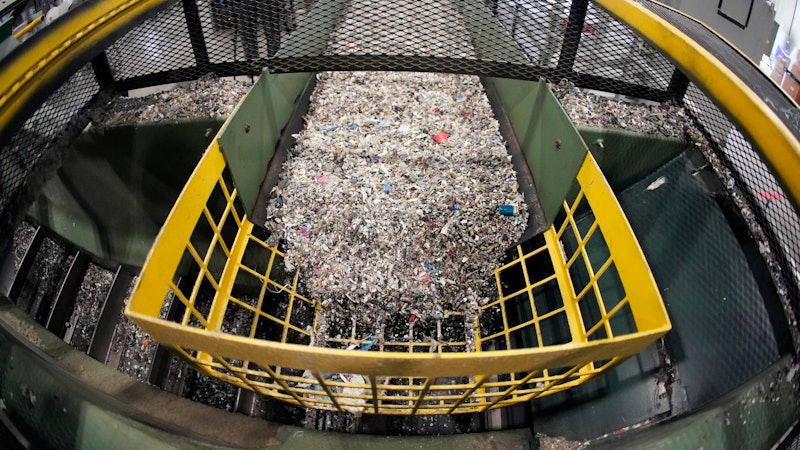
The U.S. Environmental Protection Agency (EPA) is considering reclassifying chemical plastic recycling—specifically pyrolysis—as manufacturing rather than incineration under the Clean Air Act. This potential shift could significantly reduce federal air pollution oversight for pyrolysis facilities, impacting supply-chain stakeholders in plastics, chemicals, and waste management who rely on recycled feedstocks or monitor regulatory compliance costs.
Regulatory context
The EPA currently regulates pyrolysis under Section 129 of the Clean Air Act, which applies strict emission limits for nine pollutants including toxic particulates, heavy metals, and dioxins—the same standards as incinerators. The agency now says a 2005 rule that included "pyrolysis/combustion units" under that section was vague and caused industry confusion. A potential new rule could move pyrolysis to Section 111, which regulates manufacturing sources with fewer pollutant requirements.
Industry and environmental reactions
Ross Eisenberg, president of America's Plastic Makers at the American Chemistry Council (ACC), argues pyrolysis preserves and recovers materials rather than destroying them, making it manufacturing, not incineration. "They have spent decades trying to convince EPA to change the rules of the game," he said. Environmental advocates, including former EPA regional administrator Judith Enck, warn the change would lead to "much weaker levels of environmental protection." John Walke of the Natural Resources Defense Council said Section 111 does not regulate as many pollutants as Section 129, and the EPA's plan skips required rulemaking steps, potentially creating a regulatory gap where no federal emission standards apply.
Supply-chain impact
Chemical recycling breaks plastics into liquid and gas to produce oil-like mixtures or basic chemicals for new plastics or fuels. The ACC says it can complement mechanical recycling to reduce landfill waste. Currently, six pyrolysis plants operate in Ohio, Texas, North Carolina, Indiana, and Georgia, with one under construction in Arizona and another in West Virginia. Twenty-five states have passed laws regulating chemical recycling as manufacturing, and federal legislation is pending. However, Eisenberg noted that the number of new plant proposals has dwindled partly due to permitting hurdles under current rules.
What buyers should watch
Overseas buyers of recycled plastic feedstocks or pyrolysis-derived chemicals should monitor the EPA's public comment period and final rule. A reclassification could lower operational costs for U.S. pyrolysis facilities, potentially increasing supply and lowering prices for recycled monomers and oils. However, environmental groups may challenge the rule in court, creating regulatory uncertainty. Importers of plastic waste or recycled materials should also track state-level manufacturing designations, as 25 states already recognize chemical recycling as manufacturing, affecting local permitting and logistics.
Compliance and logistics signals
If pyrolysis is reclassified as manufacturing, facilities may no longer need incineration permits, potentially speeding up plant construction and expansion. This could improve supply-chain reliability for companies sourcing recycled content. However, critics argue that without federal emission standards, state permits may vary widely, creating compliance complexity for multi-state operators. The ACC continues lobbying Congress for a federal manufacturing designation, which could harmonize rules across states and reduce cross-border regulatory friction for international buyers.
Source: Read the original report | Published: April 15, 2026