China, the world's largest exporter of sulphuric acid, has banned exports of the chemical since May 1, 2026, to protect domestic supply amid disruptions in Middle Eastern sulphur imports caused by the Iran war. This move threatens downstream industries worldwide, including phosphate fertilizer production, textile manufacturing, and electronics, forcing buyers to seek alternative sources and face higher costs.
Supply-chain impact
Sulphuric acid is the most widely used industrial chemical globally, essential for producing phosphate fertilizers, batteries, clothing, drinking water treatment, petroleum refining, metals, and computer chips. China exported nearly 5 million tonnes of sulphuric acid in 2025, making it the lead exporter. The ban, effective May 1, 2026, aims to shield China's downstream industries from supply disruptions.
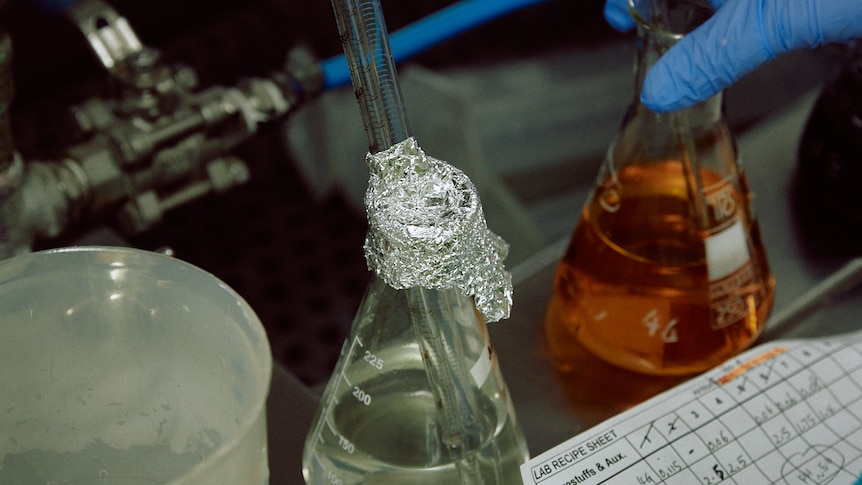
Australia's textile manufacturer LoomTex, based in Geelong, Victoria, relies on sulphuric acid for R&D and fibre innovation. CEO Samantha Van Zyl said the company faces a difficult choice: order more acid than normal, exceeding dangerous goods storage limits, or risk production shortfalls and losing customers to overseas competitors.
What buyers should watch
Attention is turning to other sulphur-exporting countries like Canada for alternative supply, but logistics and volume issues persist. Meena Chauhan, head of sulphur and sulphuric acid research at Argus Consulting Services, noted that Middle Eastern trade represented about 50% of global sulphur flows in 2025. The Iran war has closed the Strait of Hormuz and damaged refineries and processors, with some sites offline for precautionary measures or due to damage.
Fertilizer producers, the leading end users of sulphur and sulphuric acid, face particular pressure. John Cotter, chairman of North West Phosphate in Queensland, said his customers use sulphuric acid to process phosphate rock into fertilizer blends. While his business has not yet been impacted, he expects structural changes in global commodity trading markets due to the conflict.
China sourcing context
China relies on imported sulphur—a by-product of oil refining and gas processing—to produce sulphuric acid. The ban on exports is a direct response to disrupted sulphur imports from the Middle East. In 2025, about 73 million tonnes of sulphur were produced globally, with Middle Eastern trade accounting for roughly half. The ban may persist until China secures stable sulphur supply or domestic production recovers.
Australia produces some sulphuric acid from metal smelting in Queensland, but not at the grade required for textile labs like LoomTex's. Local supplies may help the fertilizer industry, but other sectors remain vulnerable. Metal industries, which can absorb higher prices, may outcompete fertilizer producers for available acid.
Compliance and logistics signals
Companies storing sulphuric acid must comply with dangerous goods regulations. LoomTex's Van Zyl noted that increasing storage to secure supply would require engaging WorkSafe Victoria and changing the company's chemical risk profile, including fire hazards and safety risks. Importers and distributors should review storage limits and safety protocols when considering stockpiling.
Chauhan warned that sulphur producers have reported it could be years before damaged facilities in the Middle East return to pre-war capacity. This suggests prolonged supply tightness and potential price volatility for sulphuric acid and its derivatives.
Source: Read the original report | Published: May 17, 2026