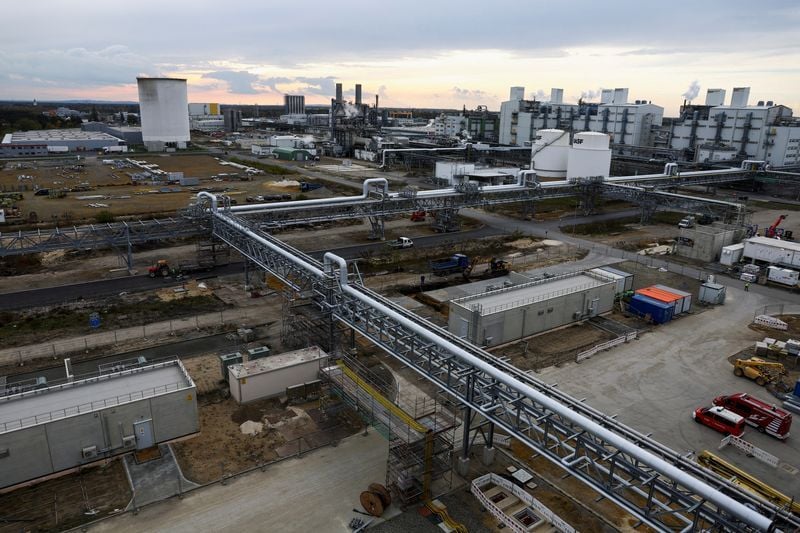
German chemical industry business sentiment worsened in May, as a short-lived demand boost from the Iran conflict fades, according to the Ifo Institute's survey released on Thursday. The sector's confidence index fell to -30.2 points from a seasonally adjusted -28.6 in April, while business outlook expectations dropped sharply from -31.3 to -42.0 points. This signals persistent structural challenges for Europe's largest chemical market, a key sourcing hub for global buyers.
Ifo survey details
The Ifo Institute's monthly survey shows the German chemical industry's business climate deteriorating in May. The current situation index slipped to -30.2 points from -28.6 in April, while expectations for the next six months plunged from -31.3 to -42.0 points. Companies view the recent improvement in business as temporary, said Anna Wolf, Ifo industry expert.
Demand and supply dynamics
Demand for chemical products increased amid global supply-chain concerns, but intermediate goods shortages continue to constrain supply, driving a sharp rise in prices. The monthly price indicator jumped to 47.5 points from 32.5 points in April. Despite higher prices and improved demand, companies plan to cut production and further reduce headcount, as underlying structural problems remain unresolved, Wolf added.
What buyers should watch
Overseas buyers sourcing from Germany should monitor persistent supply constraints for intermediate chemicals, which may lead to extended lead times and higher prices. The planned production cuts and job reductions signal potential capacity tightening in specialty chemicals, polymers, and silicones. Companies like Wacker Chemie, BASF, Symrise, and Evonik are directly affected, with Wacker shares down 0.10% and Symrise down 2.44% on May 29.
China sourcing context
While German chemical producers face structural headwinds, Chinese chemical suppliers may benefit from shifting demand as buyers seek alternative sources. However, global supply-chain disruptions from the Iran conflict could also impact Chinese feedstock availability. Importers should evaluate dual-sourcing strategies for critical intermediates to mitigate risks from both European and Asian supply chains.
Source: Read the original report | Published: May 28, 2026