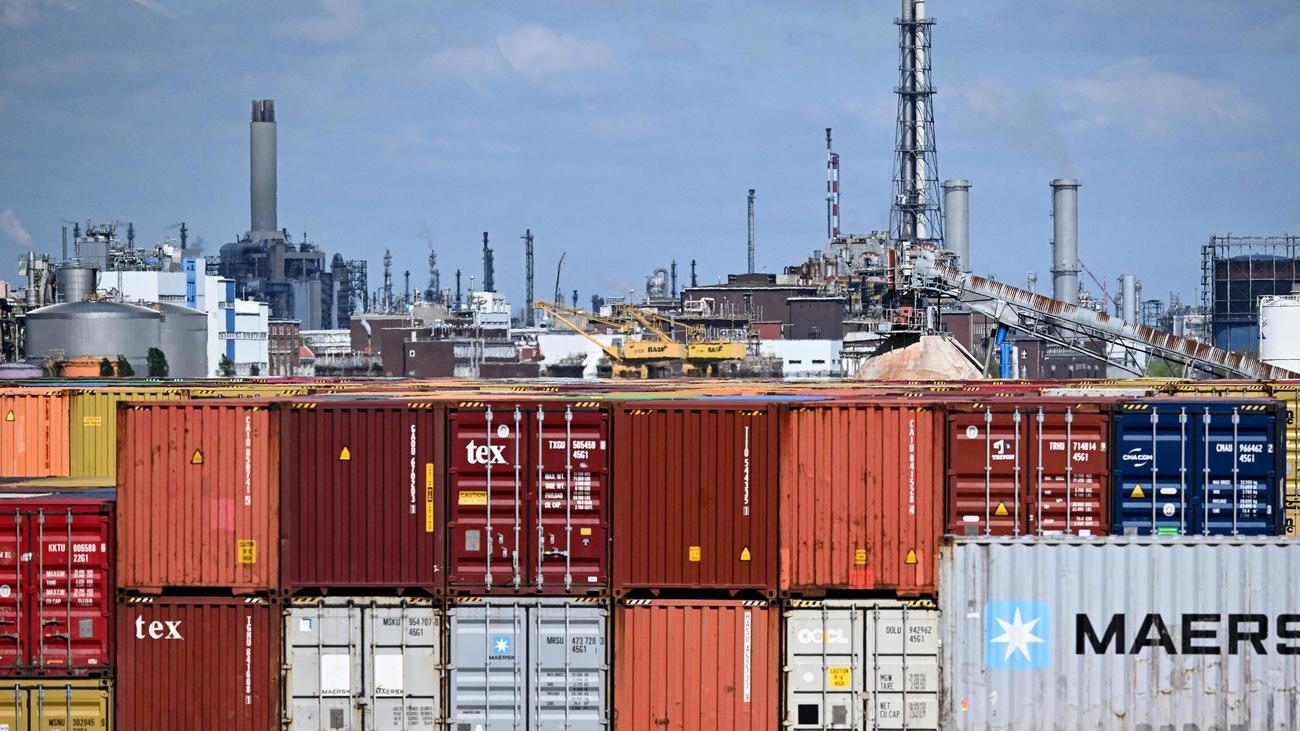
The Iran war is driving short-term additional demand for parts of the German chemical industry, as customers stockpile amid fears of supply disruptions through the Strait of Hormuz. The German Chemical Industry Association (VCI) reported a 2% quarter-on-quarter increase in both production and sales for Q1 2026, though it cautions this is not a genuine recovery but 'geopolitical hoarding.'
Production and sales uptick
According to the VCI, production and sales in the German chemical industry rose by 2% each in Q1 2026 compared to Q4 2025. Revenues increased across all segments, including basic chemicals, specialty chemicals, petrochemicals, and personal-care products. However, the association warns that this growth is driven by precautionary buying from industrial customers fearing supply bottlenecks due to the Iran conflict and the blocked Strait of Hormuz.
Year-on-year decline persists
Despite the quarterly gain, the chemical-pharmaceutical industry's production shrank by 6% year-on-year in Q1 2026, and sales fell by 5.4%, the VCI said. VCI Managing Director Wolfgang Große Entrup stated: 'We see no trace of an upturn. The industry is under constant stress.' The data underscores that the sector continues to struggle with high energy costs, weak economic conditions, overcapacities, and strong competition from Asia.
Competitive pressure may return after war
The Iran war has temporarily reduced import pressure from Asia, as Chinese competitors are more dependent on raw materials from the Middle East and are hit harder by the conflict. More than a quarter of German chemical companies, especially large basic-chemical producers like BASF and Evonik, report positive demand effects. BASF has implemented noticeable price increases, and Evonik expects a strong Q2. However, the VCI warns that competitive pressure will likely intensify again once the war ends, while certain intermediates such as solvents and resins are becoming scarcer.
What buyers should watch
Overseas buyers of German chemicals should monitor the evolving situation in the Middle East, as supply of key intermediates like solvents and resins may tighten further. The temporary reduction in Asian import competition could shift pricing dynamics in Europe, but this effect is likely short-lived. Buyers should consider securing contracts for critical raw materials now, as post-war conditions may bring renewed price pressure from Asian suppliers.
Source: Read the original report | Published: May 29, 2026