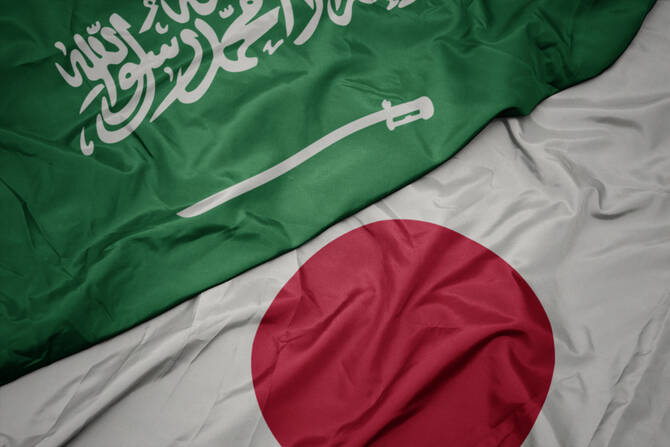
Japan has launched a second release of its petroleum reserves to counter supply disruptions from the de facto blockade of the Strait of Hormuz, as Middle East turmoil continues to disrupt energy imports. Japanese industries are facing naphtha shortages, forcing production cuts, price hikes, and a scramble for alternative supply chains, with significant implications for global chemical buyers sourcing from Japan.
Supply-chain impact
The naphtha shortage, with over 80% of Japan's supply originating from the Middle East, has forced major chemical producers including Mitsubishi Chemical Group and Mitsui Chemicals to cut output of ethylene, propylene, and butadiene. This has cascaded downstream, causing manufacturing delays for products such as bathroom fixtures, laundry detergents, and personal-care items.

Price and cost pressures
Prices for pipes, packaging labels, acrylic monomers, food-packaging films, PET bottle label films, food-packaging inks, can coatings, and water-resistant paper tableware have all surged. Increases range from 20% to over 40% for items like pipes and packaging labels, as manufacturers pass higher costs to consumers across the economy.
China sourcing context

Some Japanese companies are increasing chemical procurement from China to mitigate the crisis. However, analysts warn this shift could create long-term dependency and sustained inflation, as China becomes a more prominent supplier for Japan's chemical needs.
What buyers should watch
Analysts note that rising gasoline demand in the US and Europe this summer could further tighten naphtha supply in Asia, potentially exacerbating challenges for Japanese industry. Importers and distributors should monitor Japan's ability to secure alternative crude sources, such as US crude imports by Cosmo Energy Holdings and spot purchases from Russia's Sakhalin-2 project by Taiyo Oil.

Compliance and logistics signals
Japan's government began releasing petroleum reserves on May 1, equivalent to about 20 days of domestic consumption, following a first release of 30 days in March. Prime Minister Shinako Takaichi has pledged to increase imports from outside the Middle East, noting Japan maintains four months of naphtha and derivative supply.
Source: Read the original report | Published: May 04, 2026