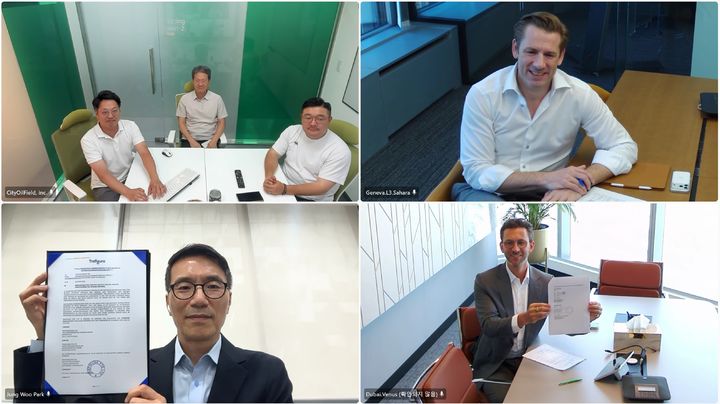
South Korea's Dosiyeon has signed a sales agreement with global commodity trader Trafigura to export all naphtha-grade recycled feedstock produced at its Wave Jeongeup plant, marking the first export of domestically produced recycled feedstock into the global petrochemical supply chain. This development offers overseas buyers a new, ISCC PLUS-certified source of high-quality recycled naphtha, potentially easing supply chain volatility amid geopolitical tensions in the Middle East.
Deal highlights
The contract covers the entire output of the Wave Jeongeup facility, which uses Dosiyeon's proprietary non-combustion low-temperature pyrolysis technology to produce 4,550 tonnes per year of recycled oil (RGO) from waste plastics and vinyl. The feedstock meets naphtha-grade quality and can be directly fed into naphtha crackers (NCC) and other petrochemical processes, according to the company.
Certification and market significance
This is the first case of naphtha-grade recycled feedstock from waste plastics receiving ISCC PLUS certification and being exported to a global player like Trafigura, which has stringent review procedures. Dosiyeon says this marks a shift from simple plastic recycling to actual integration into the global petrochemical supply chain, challenging the Nordic and select global energy companies that have dominated the recycled naphtha market.
Technology edge
The Wave Jeongeup plant uses ceramic-ball wave energy to separate carbon-bond structures, improving oil recovery rates while minimizing carbon emissions and hazardous substances like dioxins. The resulting recycled oil achieves naphtha-level quality, making it a viable direct feedstock for petrochemical crackers.
What buyers should watch
With international oil and naphtha prices becoming more volatile due to Middle East geopolitical tensions and global supply chain disruptions, this new supply source offers an alternative to conventional naphtha. Importers and petrochemical manufacturers seeking ISCC PLUS-certified recycled feedstocks should monitor Dosiyeon's production scale-up and potential future contracts with refiners and petrochemical firms, as the company plans to expand into sustainable aviation fuel (SAF) markets.
China sourcing context
While this is a South Korean development, it signals growing competition in the Asia-Pacific recycled naphtha market. Chinese buyers and traders may see increased availability of certified recycled feedstocks from neighboring countries, potentially influencing regional pricing and supply dynamics for petrochemical raw materials.
Source: Read the original report | Published: May 27, 2026