South Korea's final energy consumption fell 2.1% year-on-year in March 2026, driven by a sharp decline in oil use as international crude prices surged 87.9% amid the Middle East conflict. The drop signals immediate supply-chain stress for chemical buyers, with petrochemical feedstock consumption and plant operations both contracting.
Sector-wide decline
Industrial energy use fell 1.4%, transport dropped 3.5%, and buildings decreased 2.8%. The overall decline widened from a 1.7% drop in February, according to the Korea Energy Economics Institute's latest supply-demand report.
Oil consumption hit hardest
Oil final consumption fell 5.2% in March. Industrial oil use dropped 6.9%, led by reduced consumption in the chemical and petrochemical sectors due to crude supply uncertainty and rising international prices. Naphtha feedstock consumption declined 6.7%, while LPG feedstock use fell 15.0%.
Petrochemical output and exports shrink
Despite improved margins for some products like ethylene due to higher prices, basic petrochemical production fell 9.4% and exports dropped 17.3% in March, the institute said. Plant shutdowns linked to the Middle East crisis also cut electricity consumption in the petrochemical sector by 9.0%.
Transport fuel demand weakens
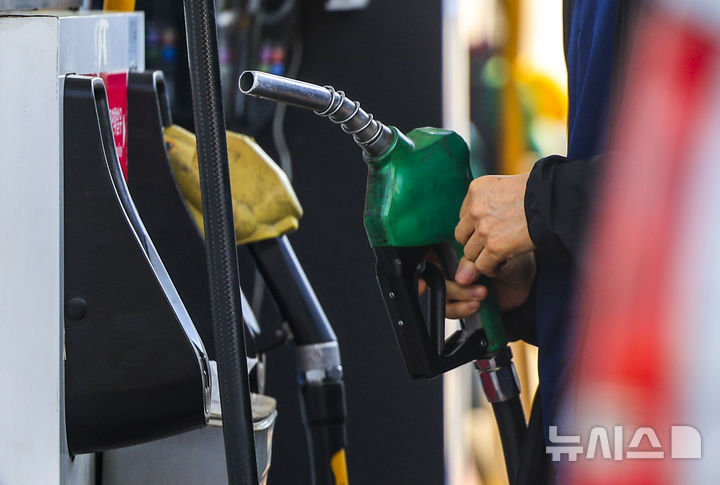
Road-sector gasoline and diesel consumption fell 4.8% and 9.1% respectively, even as manufacturing shipments and transport activity rose. Domestic gasoline prices rose 8.8% month-on-month, while diesel prices jumped 15.2%.
Gas and coal consumption rise
Natural gas consumption increased 8.4% year-on-year, with industrial gas use surging 17.5% led by petrochemical, steel, and machinery sectors. Coal consumption rose 18.5%, driven by a 34.9% jump in power-generation coal use as nuclear output fell 25.9%.
What buyers should watch
Importers of naphtha, LPG, and petrochemical intermediates should monitor South Korea's feedstock demand recovery. The sharp drop in ethylene production and exports may tighten regional supply, while higher coal and gas use signals a temporary shift in energy mix. Any easing of Middle East tensions could reverse these trends quickly.
Source: Read the original report | Published: May 29, 2026