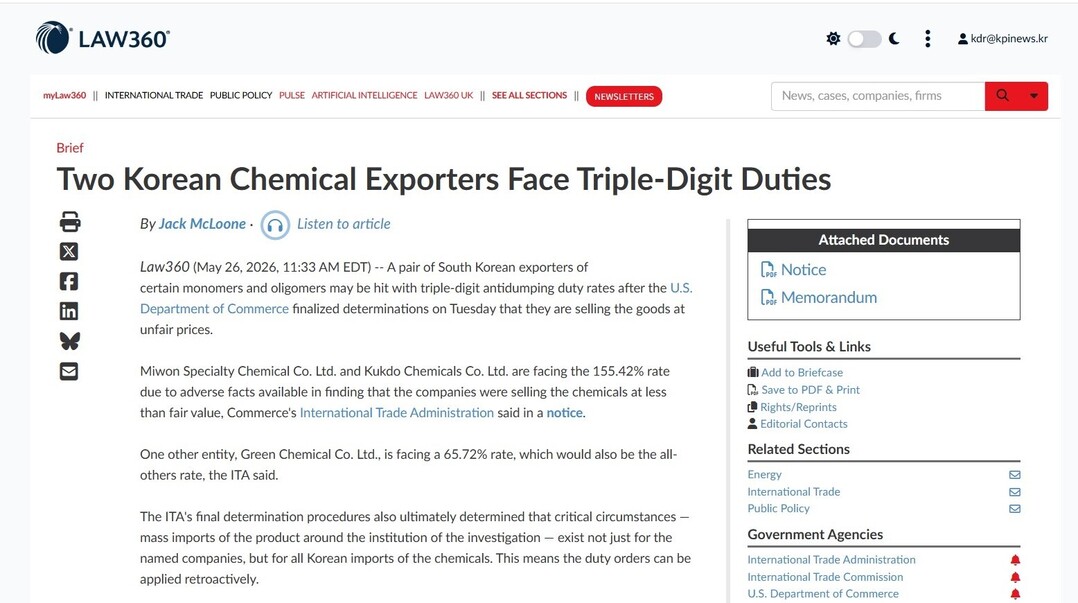
Two South Korean chemical exporters, Miwon Specialty Chemical and Kukdo Chemical, face a potential 155.42% anti-dumping duty from the US Department of Commerce, with a third firm, Green Chemical, facing a 65.72% rate. The case, covering monomers and oligomers, signals heightened trade scrutiny for Asian chemical suppliers and could retroactively affect shipments if the US International Trade Commission confirms injury by July 11.
US anti-dumping investigation details
The US Department of Commerce's International Trade Administration (ITA) issued a final determination that Miwon Specialty Chemical and Kukdo Chemical sold monomers and oligomers at unfairly low prices, applying "Adverse Facts Available" to set a 155.42% duty rate. Green Chemical received a 65.72% rate. The ITA also concluded that an "emergency circumstance" exists for all South Korean imports of these chemicals, allowing potential retroactive duty application once an anti-dumping order takes effect.
ITC review timeline and current status
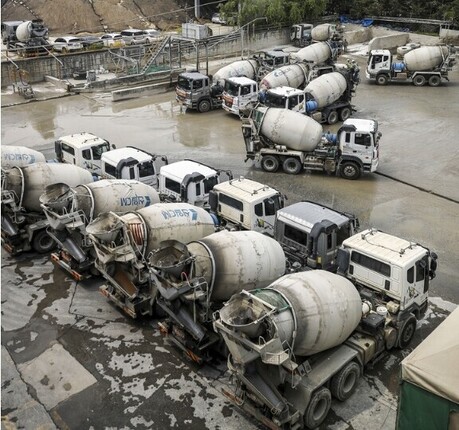
The anti-dumping duties will not be collected until the US International Trade Commission (ITC) rules that US domestic industry has been materially injured by these imports. According to the ITA, the ITC's final determination deadline is July 11. Until then, shipments continue under existing terms, but importers should prepare for possible retroactive duties.
What buyers should watch
Overseas buyers sourcing monomers or oligomers from South Korea should monitor the ITC's July 11 decision closely. If injury is confirmed, duties could apply retroactively to recent shipments, increasing landed costs. Diversifying suppliers or negotiating contract clauses to address potential duty liabilities may be prudent. The case also highlights broader US enforcement trends in chemical trade.
China sourcing context
While this case targets South Korean producers, it reflects the US Commerce Department's aggressive stance on chemical pricing. Chinese exporters of similar monomers and oligomers should review their own pricing and documentation practices, as similar investigations could follow. The 155% rate is among the highest seen in recent chemical anti-dumping cases, signaling a low tolerance for perceived below-market pricing.
Source: Read the original report | Published: May 27, 2026