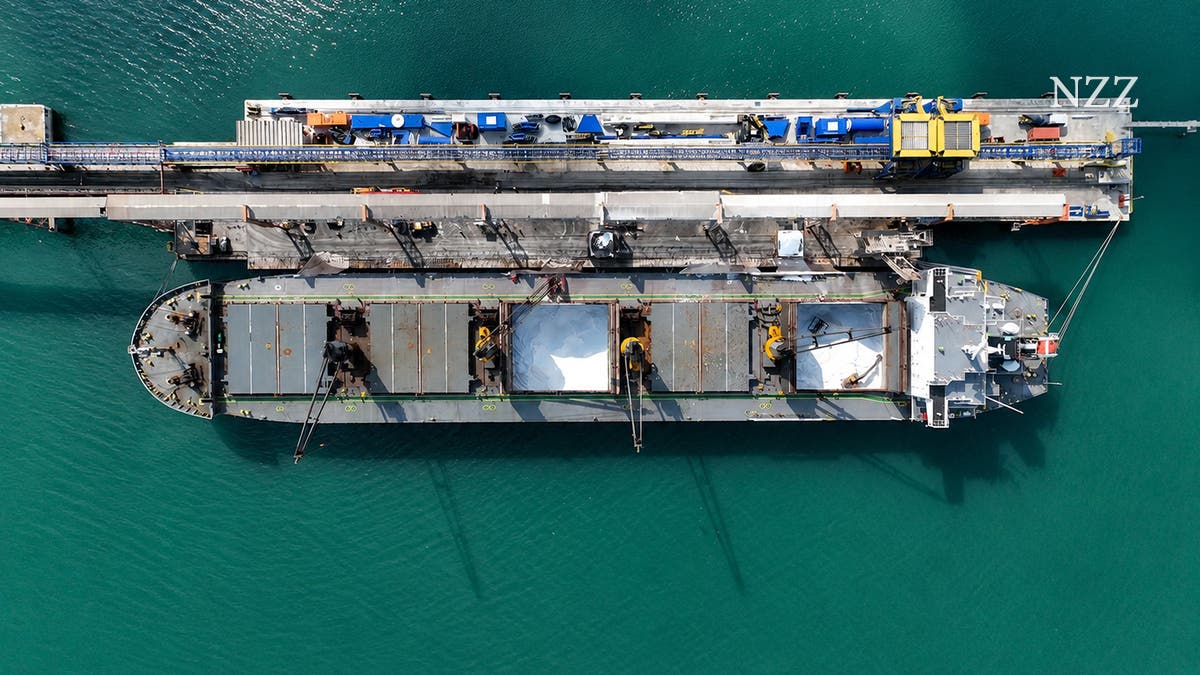
A Swiss fertilizer trader, Ameropa, is grappling with an unprecedented crisis as six of its chartered vessels remain stranded in the Persian Gulf due to the Iran conflict and the closure of the Strait of Hormuz. With around 200 million dollars in cargo at risk and weekly costs of half a million dollars per ship, the disruption is driving global urea prices to double since January, impacting buyers worldwide.
Supply-chain impact
The blockage has halted about one-third of globally traded urea, the most common nitrogen fertilizer, which relies on natural gas from the Gulf region for production. Ameropa President Andreas Zivy reports that fulfilling purchase contracts has become extremely difficult, forcing the company to source fertilizer at drastically higher prices to meet customer demand. Logistics costs, including diesel, ship charter rates, and insurance, have also surged.
Price dynamics and market behavior
Urea prices from the Gulf region have more than doubled from $400 per ton in early 2025 to over $800 by April. While Ameropa has benefited from selling existing inventories at higher prices, the supply shortage has created risks of supplier contract defaults. Zivy emphasizes that strict supplier selection and long-term relationships help mitigate such risks, but the current physical supply break is unprecedented compared to past price spikes driven by market psychology.
What buyers should watch
Importers and distributors should monitor the duration of the Hormuz blockade closely, as it directly affects global urea availability and pricing. The crisis may lead to reduced fertilizer application by farmers, particularly in emerging economies, potentially triggering higher food prices or supply shortages. European buyers may see some relief from EU actions, including financial support for farmers and promotion of alternative fertilizers like algae-based products and manure, but significant regulatory changes are unlikely due to climate policy conflicts.
China sourcing context
While China is a major fertilizer producer, the current crisis highlights the vulnerability of global supply chains dependent on Gulf-region natural gas. Chinese urea exporters may face increased demand from international buyers seeking alternatives, but domestic price controls and export restrictions could limit availability. Buyers should evaluate diversified sourcing strategies, including Chinese suppliers, to mitigate future disruptions.
Source: Read the original report | Published: May 26, 2026