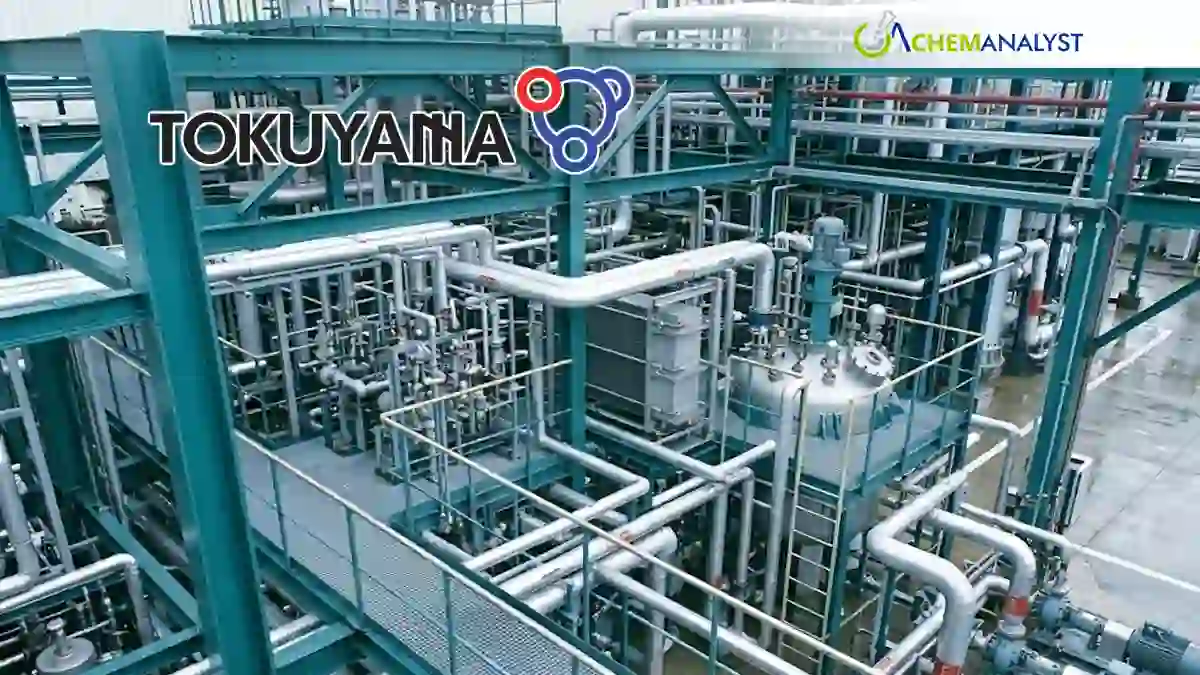
Tokuyama Corporation and Formosa Plastics Corporation are expanding their joint venture in Taiwan with a second high-purity isopropyl alcohol (IPA) production facility, targeting the surging semiconductor industry. The new plant, set to begin commercial operations in September 2028, will add 30,000 metric tons of annual capacity, ensuring stable supply for chipmakers in Asia and globally. This move underscores the growing need for ultra-high-purity chemicals in advanced electronics manufacturing.
Expansion details
The new facility will be built at Formosa Tokuyama Advanced Chemicals Co., Ltd. (FTAC) in Kaohsiung City, Taiwan, a 50-50 joint venture between Tokuyama and Formosa Plastics. With an annual capacity of 30,000 metric tons, it will double FTAC's production footprint. Commercial operations are scheduled to start in September 2028, according to the announcement.
Supply-chain impact
High-purity IPA is essential for cleaning silicon wafers and removing contaminants in semiconductor fabrication. As chips become smaller and more complex, demand for electronic-grade chemicals is rising. By locating production near major chipmakers in Taiwan, the joint venture aims to improve supply chain efficiency and reduce logistical risks for specialty chemical transport.
Market drivers
The expansion is driven by growth in artificial intelligence, electric vehicles, 5G infrastructure, and advanced computing, which require sophisticated chips and higher volumes of premium-grade processing chemicals. Tokuyama and Formosa Plastics believe this investment will help meet evolving market needs and strengthen long-term customer relationships.
What buyers should watch
Importers and distributors of semiconductor-grade chemicals should monitor FTAC's capacity expansion, as it will increase global supply of high-purity IPA from 2028. The project highlights a trend toward localization of chemical production near semiconductor clusters, potentially affecting pricing and availability for buyers in other regions. Taiwan's central role in chip manufacturing makes this a strategic development for supply chain resilience.
Source: Read the original report | Published: May 27, 2026