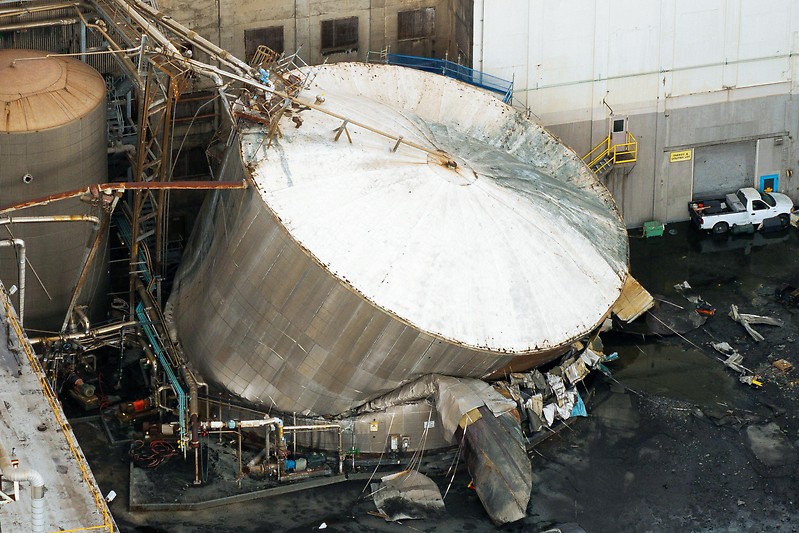
All 11 victims have been confirmed dead following a chemical tank implosion at a packaging plant in Longview, Washington, raising serious safety concerns for chemical storage and handling operations across the US supply chain. The incident at Nippon Dynawave Packaging, a subsidiary of Japan's Nippon Paper Industries, involved a massive release of white liquor into the Columbia River, highlighting risks for importers and distributors of pulp and paper chemicals.
Incident overview
On Tuesday, a chemical tank containing approximately 3.4 million liters of white liquor—a key chemical in pulp manufacturing—imploded at the Nippon Dynawave Packaging facility in Longview, Washington. Two victims were recovered immediately, and search teams spent the week combing through debris. On Friday, local authorities confirmed that all nine missing persons had perished, bringing the total death toll to 11.
Environmental and supply-chain impact
Tests confirmed that the released white liquor entered the nearby Columbia River, a major waterway for industrial transport. However, authorities stated there were no negative effects on air quality or Longview's drinking water. The incident may prompt tighter regulatory scrutiny on chemical storage and spill containment at pulp and paper facilities, potentially affecting supply continuity for white liquor and related chemicals.

What buyers should watch
Overseas buyers of pulp and paper chemicals should monitor any operational disruptions at Nippon Dynawave Packaging and its parent company Nippon Paper Industries. The plant's status and potential production halts could impact regional supply of white liquor and other pulping agents. Additionally, stricter US safety inspections may lead to temporary closures or higher compliance costs for chemical storage facilities, influencing pricing and availability.
Compliance and logistics signals
This tragedy underscores the importance of rigorous safety protocols for bulk chemical storage, especially for hazardous materials like white liquor. Importers and distributors should review their suppliers' emergency response plans and environmental safeguards. Logistics partners handling similar chemicals may face new transportation or storage restrictions in Washington State, potentially affecting delivery timelines.
Source: Read the original report | Published: May 31, 2026