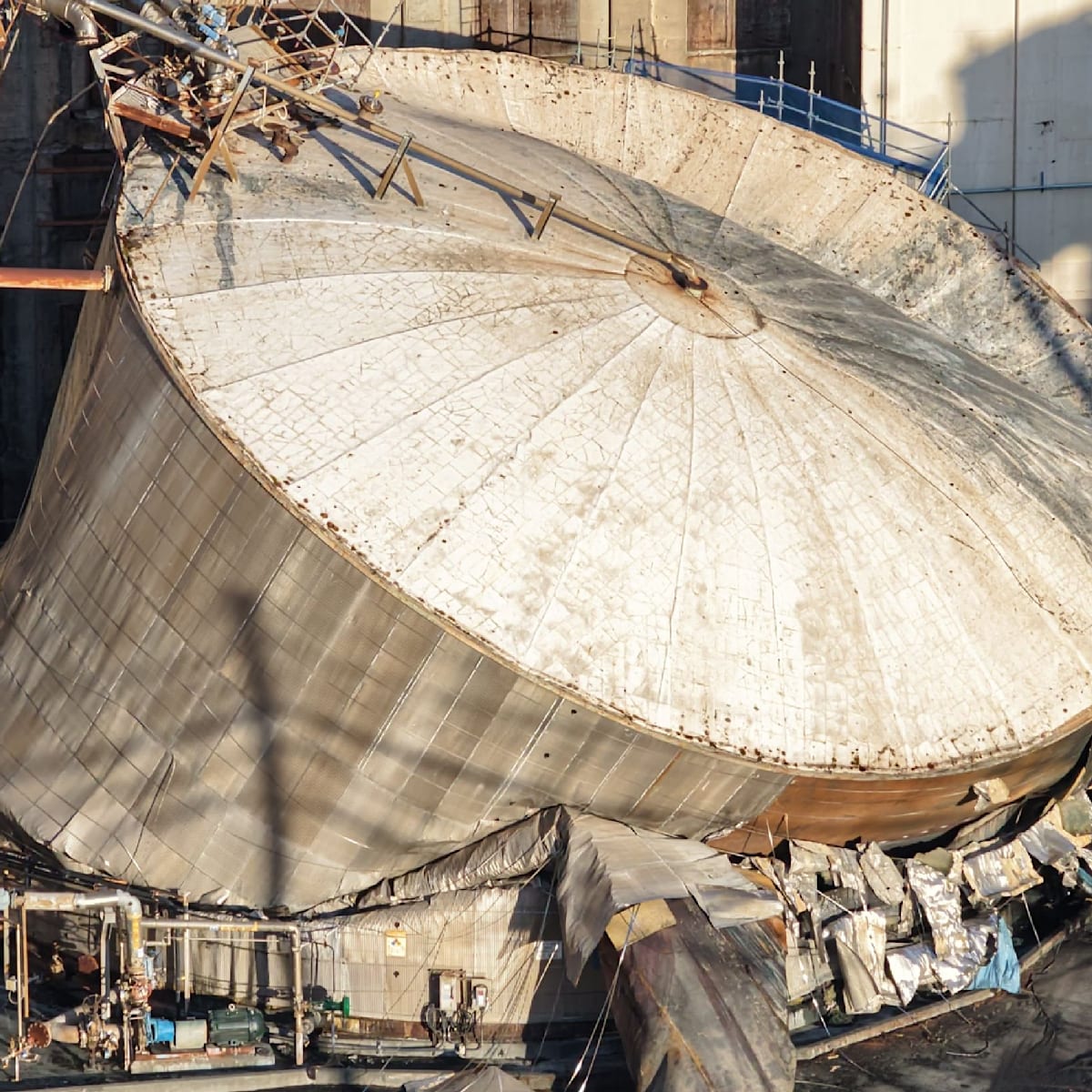
A chemical accident at a packaging plant in the northwestern United States has resulted in eight confirmed deaths, with no further survivors expected. The incident, involving the implosion of a tank containing white liquor, has raised concerns among overseas buyers about supply-chain disruptions and environmental compliance risks for chemical logistics and packaging operations.
Incident overview
On Tuesday, a massive tank containing white liquor, a hazardous chemical used in pulp and paper processing, burst at the facility of Nippon Dynawave Packaging Co. in Longview, Washington. The tank had a capacity of over 3.4 million liters. Fire department officials confirmed that six workers previously listed as missing were found dead, bringing the total death toll to eight. No survivors are expected.
Environmental and safety concerns
The plant is located adjacent to the Columbia River, which separates Washington and Oregon states. A portion of the white liquor leaked into the river, with water samples showing elevated concentrations. However, authorities stated that there have been no negative impacts on drinking water or air quality so far. The tank was initially considered at risk of collapse, complicating recovery efforts, though less residual liquid than feared has allowed cautious progress.
Supply-chain impact
This accident may disrupt production at Nippon Dynawave Packaging, a key supplier of liquid packaging materials. Overseas buyers of industrial packaging, particularly those sourcing from the US Pacific Northwest, should monitor potential delays or shortages in containerboard and liquid packaging products. The incident also highlights the importance of rigorous safety protocols in chemical handling and storage facilities.
What buyers should watch
Importers and distributors of pulp, paper, and chemical packaging should assess alternative sourcing options in case of prolonged plant shutdowns. Additionally, the environmental spill into the Columbia River could trigger regulatory scrutiny and cleanup costs, potentially affecting pricing and delivery timelines. Buyers are advised to stay in contact with suppliers for updates on production status and compliance measures.
Source: Read the original report | Published: May 28, 2026