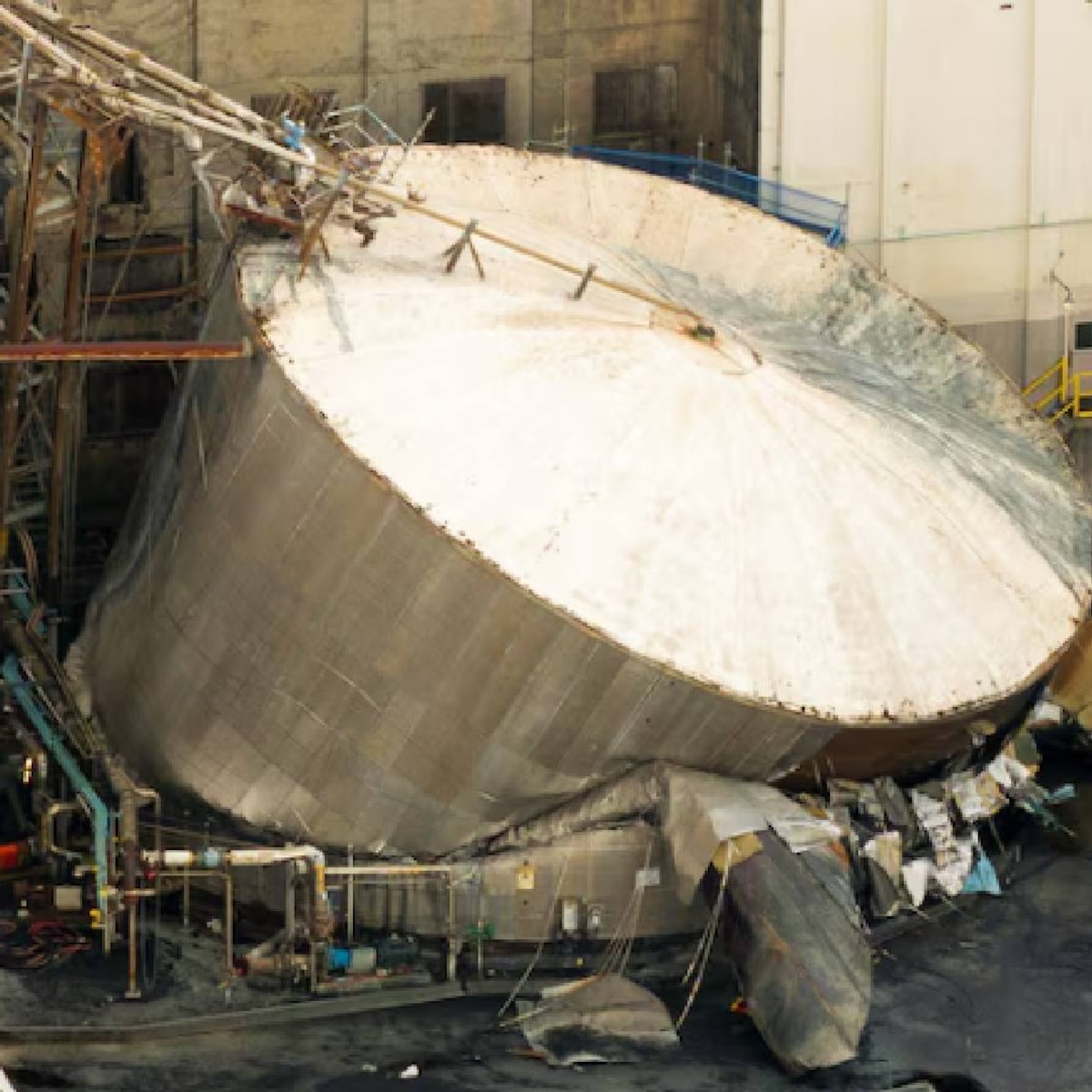
A chemical tank implosion at the Nippon Dynawave paper plant in Longview, Washington, on Tuesday morning killed at least 11 workers and injured eight others, according to local and state authorities. The incident, which released nearly 3 million liters of white liquor—a caustic mixture used in papermaking—has triggered a massive emergency response and raised urgent safety and environmental concerns for chemical buyers monitoring industrial risks in the US supply chain.
Incident details
The accident occurred shortly after 7:00 a.m. during a shift change, when a tank containing approximately 60% capacity of white liquor partially collapsed and burst open. The tank held a solution of sodium hydroxide, sodium sulfide, and disodium carbonate—highly hazardous chemicals. Emergency crews found a large lateral opening in the tank, evidence of a violent explosion. The plant, owned by Japan's Nippon Paper Industries since 2016, is now under investigation by the US Chemical Safety and Hazard Investigation Board.
Casualties and response
Among the confirmed fatalities is Gilbert Bernal, 52, a plant employee who died after being transported to hospital in critical condition. His son and daughter, also plant workers, described the scene: 'Just that huge vapor cloud, it was everywhere, like a cloud on the ground,' Eli Bernal told NBC News. Seven employees remain hospitalized with injuries of varying severity, while one firefighter has been discharged. The search operation transitioned from rescue to recovery on Wednesday morning, as no survivors were found in the most dangerous areas.
Environmental impact
The white liquor release contaminated the surrounding area, including the Columbia River, where at least a dozen dead fish were found. The Washington State Department of Ecology confirmed the spill does not threaten Longview's drinking water supply, but air and water monitoring continues. Fire Chief Scott Goldstein estimated that between 550,000 and 570,000 gallons (approximately 2.5 million liters) of the substance were released or remain in controlled leakage. No harmful air effects have been detected for nearby populations, though authorities recommend avoiding areas near the river.
Investigation and regulatory context
The exact cause of the implosion remains unknown. The US Chemical Safety Board is leading the investigation, alongside state labor and ecology agencies. Washington State Labor Director Joel Sacks noted multiple open inspections at the plant due to its chemical nature and associated risks. In 2016, the Department of Ecology published a report with recommendations on emission controls and industrial effluent management at the facility, according to Reuters. The plant's history and the scale of this incident may prompt stricter regulatory oversight for similar chemical-intensive operations.
What buyers should watch
Overseas chemical buyers and distributors should monitor this case for potential shifts in US safety regulations for pulp and paper mills, particularly those handling caustic solutions like white liquor. The incident highlights risks in the supply chain for sodium hydroxide and sodium sulfide, key inputs in papermaking and other industrial processes. Companies sourcing from or investing in US paper chemical operations may face increased compliance costs or operational delays as investigations proceed. Additionally, environmental liabilities from such spills could affect regional chemical logistics and waste disposal practices.
Source: Read the original report | Published: May 28, 2026