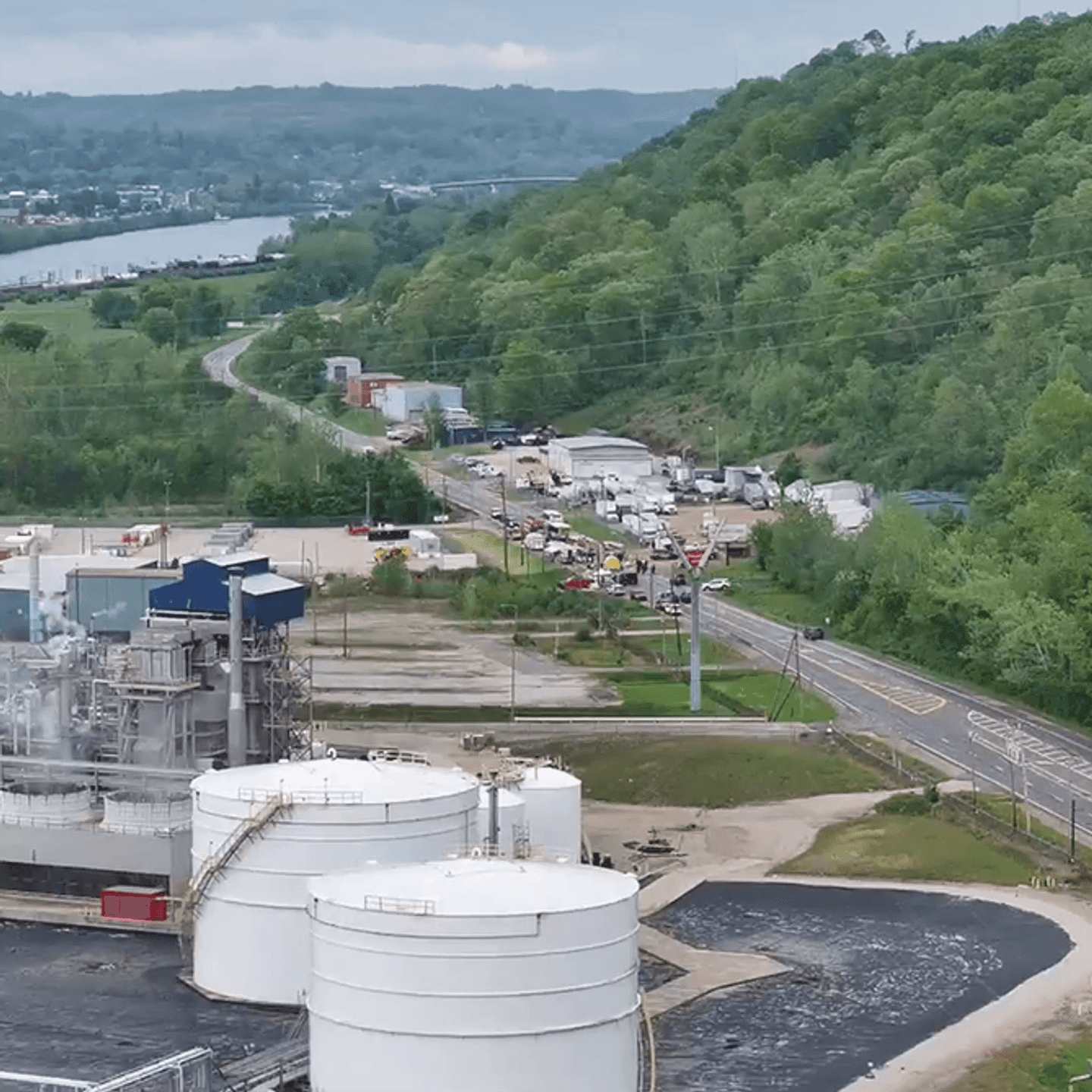
Two weeks after a chemical incident at the Catalyst Refiners plant in Institute, West Virginia, killed two employees and hospitalized at least 30 others, investigations by multiple agencies are ongoing. The incident, involving a reaction that released hydrogen sulfide gas, underscores critical safety risks in chemical processing and highlights supply-chain implications for buyers of refined catalysts and related industrial chemicals.
Incident Details and Cause
According to Kanawha County Emergency Management Director C.W. Sigman, the incident is believed to have been caused by the inadvertent mixing of a substance called N2000A with strong nitric acid. This reaction produced hydrogen sulfide, a poisonous gas. The U.S. Chemical Safety Board (CSB), the Environmental Protection Agency (EPA), and the Occupational Safety and Health Administration (OSHA) have all been on site conducting investigations.
Regulatory and Safety Response
Kanawha County Commissioner Lance Wheeler confirmed that the West Virginia Department of Environmental Protection (DEP) and the CSB are reviewing the incident and monitoring air quality. The EPA is scaling back its on-site monitoring as the area is deemed safe, with no detected changes in air quality affecting nearby communities including Institute, Dunbar, St. Albans, and Nitro.
What Buyers Should Watch
Chemical buyers sourcing from or near similar catalyst refining operations should monitor the final CSB report, expected in 3-4 months, for potential operational changes or stricter safety protocols. The incident may lead to enhanced regulatory scrutiny and possible supply disruptions for specialty chemicals and refined catalysts from this facility. Buyers should also assess their own supply chains for exposure to hydrogen sulfide risks and ensure compliance with updated safety standards.
China Sourcing Context
While this incident occurred in the United States, it serves as a reminder for global chemical buyers to evaluate safety records and emergency response capabilities of suppliers worldwide, including in China. Proactive due diligence on supplier safety practices can mitigate risks of supply chain interruptions due to similar incidents.
Local Preparedness Measures
Commissioner Wheeler indicated plans to equip first responders in Kanawha County with respirators, funded through the public safety levy, to improve response to future chemical emergencies. This reflects a broader trend of increased investment in chemical incident preparedness, which may influence operational costs and insurance premiums for chemical facilities in the region.
Source: Read the original report | Published: May 06, 2026