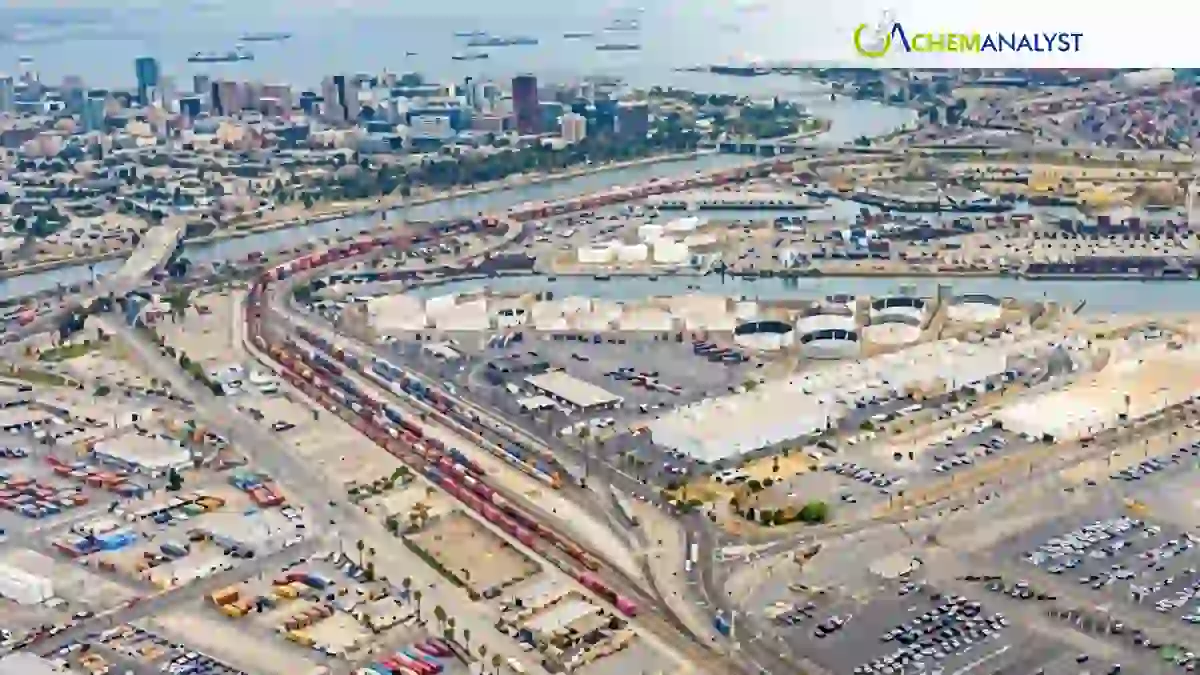
The Port of Long Beach has launched a $1 million "Clean Fuel Bunkering Challenge" to incentivize the first commercial-scale methanol bunkering operation at its facilities, aiming to accelerate maritime decarbonization and establish a North American market for methanol as a marine fuel. This move signals growing demand for methanol supply chains and infrastructure, directly impacting chemical distributors, fuel suppliers, and logistics providers serving the shipping industry.
Incentive details and economic rationale
The $1 million prize, approved by the Long Beach Harbor Commission, targets the first ocean-going vessel to complete a commercial methanol bunkering operation at the port. The Port estimates methanol bunkering costs around $1.5 million per call, compared to approximately $1 million for traditional marine fuel. The incentive helps offset higher operational expenses, including planning, permitting, fuel coordination, and safety procedures for pioneering this fuel type in San Pedro Bay.
Environmental and regulatory drivers
Methanol can reduce sulfur oxide emissions by up to 95%, particulate matter by 90%, and nitrogen oxides by up to 50%, aligning with California's climate goals and the Port's Green Ship Incentive Program updates. The challenge responds to urgent needs to decarbonize shipping and improve air quality in port communities, while supporting international green shipping corridors established with Los Angeles, Shanghai, and Singapore.
Competitive landscape and infrastructure gap
While Asian and European ports like Shanghai and Singapore already have commercial methanol bunkering capabilities, the U.S. lags in infrastructure for this cleaner fuel. Major container carriers are increasingly investing in dual-fuel methanol vessels, creating demand for reliable methanol supply chains. This challenge positions Long Beach to catch up and attract investment in alternative fuel infrastructure, offering a replicable model for other U.S. ports.
What buyers should watch
Chemical suppliers and distributors should monitor the operational feasibility demonstration, as successful bunkering could accelerate methanol demand for marine fuel applications. Consistent fuel availability and lifecycle emissions debates (green vs. gray methanol) remain hurdles. Rising fuel costs strengthen the case for energy diversification, potentially opening new sales channels for methanol producers and traders in the North American market.
Source: Read the original report | Published: May 28, 2026