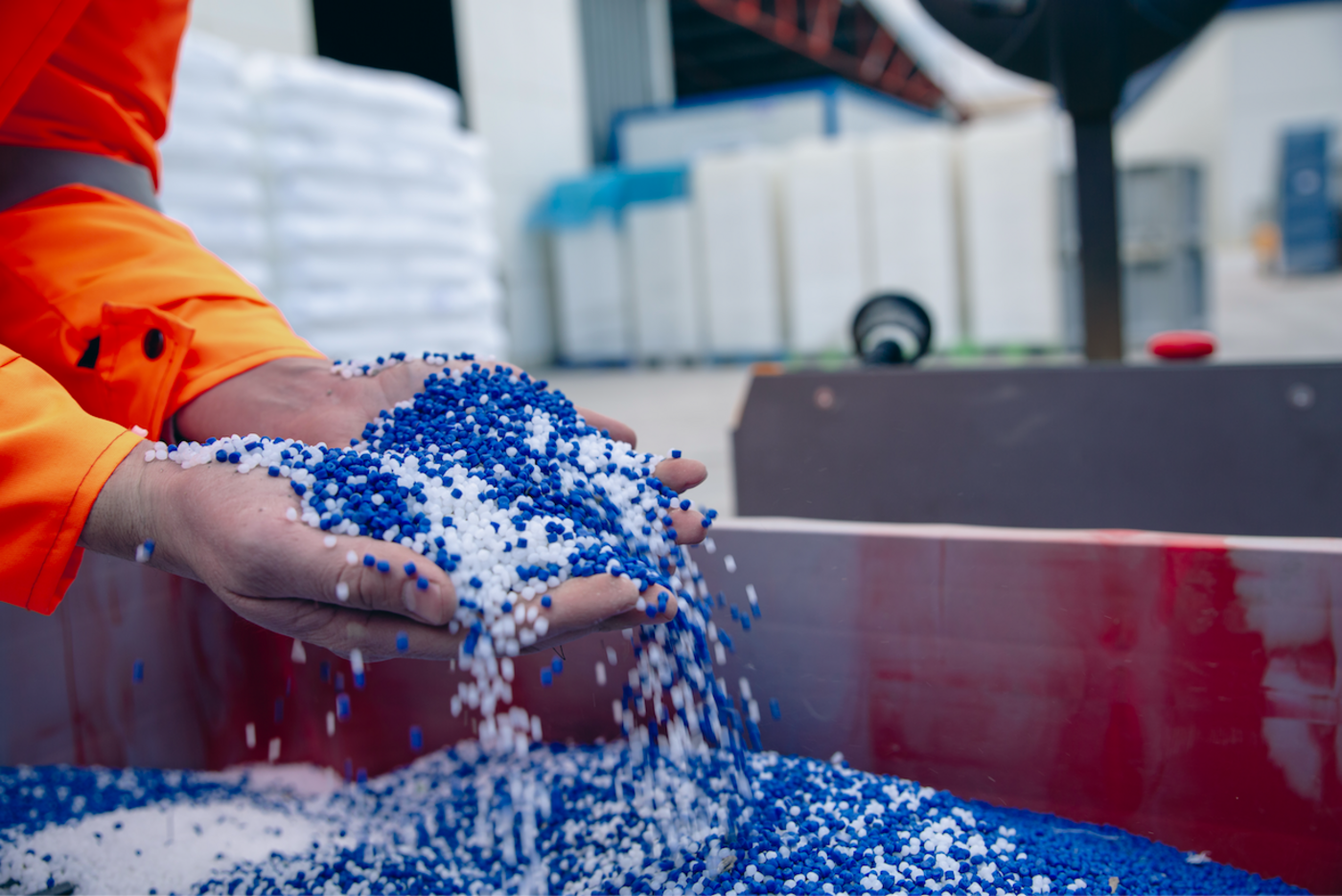
Recycled resin markets in May presented a complex landscape for overseas buyers, with rHDPE prices surging nearly 50% since January while rPET and rPP faced supply tightness and cautious demand. These shifts, driven by feedstock shortages and rising virgin costs, signal critical adjustments for importers and distributors sourcing recycled materials for packaging, food-grade, and industrial applications.
rHDPE Price Rally and Feedstock Crunch
Food-grade rHDPE pellet prices surged nearly 50% since the start of 2025, though they remain about 10% below last May's near-record highs. The rally is concentrated in natural HDPE bales, which command a premium for food-grade and high-value packaging. Mixed-color grades face more balanced conditions. Tight supply of post-consumer natural bales—especially milk jugs—has driven prices up over 83% since January, with some US recyclers now importing bales from the UK to supplement domestic sources.
Demand Competition Intensifies
Multiple buyer segments are competing for limited natural HDPE bale inventory. Consumer packaged goods companies continue procuring recycled content to meet sustainability commitments and PCR targets, while new entrants like advanced chemical recycling operators bid for the same feedstock. This convergence of tight generation rates, improved recycled resin margins, brand-owner PCR commitments, and elevated logistics costs has pushed natural HDPE bale prices to multi-year highs, reshaping feedstock procurement dynamics.
rPET Market Stability and Export Support
The recycled PET market showed relative stability in May, with bale prices firming modestly due to strengthening export demand that absorbed excess domestic supply. Imported rPET flake values continued rising, driven by elevated freight costs and tight recycled supply in Asia, where substitution from virgin PET sustained global demand. Domestic flake producers maintained competitive pricing by leveraging lower-cost feedstock bales, while the price spread between virgin PET and rPET pellets remained near historic lows, enhancing recycled material competitiveness.
rPP Prices Climb on Supply and Virgin Cost Support
Recycled polypropylene prices climbed nearly 40% this year, tracking a more than 50% surge in virgin PP resin prices since late February. Feedstock availability remained constrained, especially for food-grade streams, as demand for high-quality post-consumer resin outpaced supply and limited FDA-approved capacity restricted output. Demand bifurcated: food-grade and packaging applications stayed firm due to sustainability commitments and regulatory pressure, while automotive and durable goods segments remained subdued with cautious, hand-to-mouth buying.
What Buyers Should Watch
Overseas buyers should monitor the ongoing tightness in natural HDPE bale supply, which may continue to pressure rHDPE prices and affect sourcing costs for food-grade packaging. The narrowing spread between virgin and recycled PET prices could improve competitiveness for rPET in global markets. For rPP, the bifurcated demand pattern suggests opportunities in packaging but caution in automotive sectors. Rising virgin resin costs are providing strong support across recycled markets, enabling recyclers to pass through feedstock and processing costs, which may sustain upward price momentum.
Source: Read the original report | Published: May 30, 2026