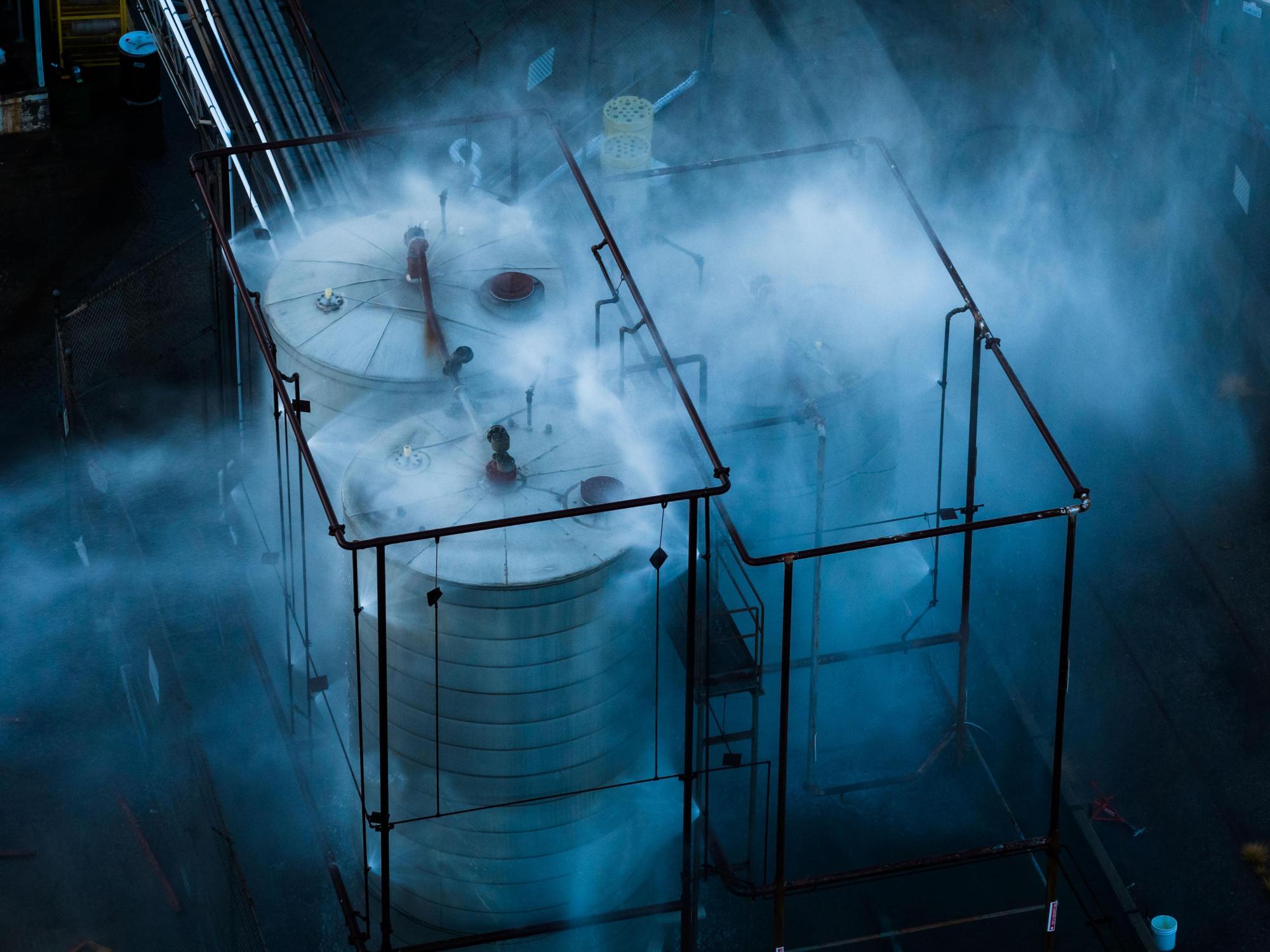
Two major hazardous chemical emergencies on the US West Coast this week—a tank rupture at a Washington paper mill and a tank overheating at a California aerospace plant—have raised urgent questions about the safety and regulation of millions of industrial chemical tanks across the country. For overseas buyers of chemicals and industrial raw materials, these events underscore the critical importance of supplier compliance with tank maintenance, inspection, and safety protocols, which can directly impact supply reliability and logistics safety.
Incident overview
On May 26, 2026, a tank containing corrosive white liquor ruptured at the Nippon Dynawave Packaging Co. paper mill in Longview, Washington, killing two workers and potentially nine others. Days earlier, on May 22, a large chemical tank overheated at the GKN Aerospace plant in Garden Grove, California, forcing the evacuation of about 50,000 people. Authorities mitigated the explosion risk in California, and residents have since returned home. The US Chemical Safety Board has opened an investigation into the Washington incident.
Tank safety standards and failure rates
Chemical engineering professor Stephen Kmiotek of Worcester Polytechnic Institute noted that while there are millions of chemical tanks across the US, the failure rate is extremely low—about one failure per million tanks per year—provided tanks are properly built, maintained, and inspected. He emphasized that inspections should increase after a tank passes 10 years, especially for tanks handling highly caustic substances like white liquor. Valve replacement frequency also needs to be higher for such tanks.
Regulatory oversight and gaps

Local, state, and federal agencies share responsibility for regulating facilities that handle hazardous chemicals. State agencies in Washington and California, along with local fire marshals and hazmat teams, conduct inspections. The US Environmental Protection Agency was involved in both responses. However, in Washington state, there are far more chemical sites than inspectors, and investigations are typically triggered by complaints or incidents. The federal Occupational Safety and Health Administration's Process Safety Management standards apply to facilities using highly dangerous chemicals, but it was unclear whether the Longview paper mill fell under those protocols.
Compliance and logistics signals for buyers
For importers and distributors of industrial chemicals, these incidents highlight the need to verify that suppliers adhere to rigorous tank maintenance and inspection schedules, particularly for older tanks and those storing corrosive or hazardous substances. Facilities must maintain safety data sheets and share them with local emergency responders under EPA right-to-know rules. Buyers should also check whether suppliers follow Process Safety Management standards, as lapses can lead to production disruptions, supply delays, and reputational risks.
China sourcing context
While these incidents occurred in the US, they serve as a global reminder for chemical buyers sourcing from any region, including China. Chinese chemical manufacturers and storage operators are subject to similar safety regulations under the Ministry of Emergency Management and local authorities. Buyers should request documentation of tank inspection records, valve replacement logs, and emergency response plans as part of supplier audits to ensure supply chain resilience and compliance with international safety norms.
Source: Read the original report | Published: May 27, 2026