001X7 Strong Acid Styrene-DVB Cation Exchange Resin, CAS 9060-05-3
Buyer-facing sourcing candidate for 001X7 strong acidic styrene-divinylbenzene cation exchange resin in sodium form, referenced against GB/T 13659-2008, DL/T 519-2004, and SH2605.01-2003. Key checks for RFQ should focus on CAS confirmation, grade variant, bead size distribution, moisture, total exchange capacity, density, uniformity coefficient, appearance, packing format, export documents, and suitability for the buyer's intended water treatment or industrial separation application.
Quick buying facts
Identify the grade, package, and import market before comparing suppliers.
Use this page to check the product identity, common specification points, document scope, package notes, and destination-market questions before sending a China sourcing request.
CAS No.: 9060-05-3Strong acid cation exchange resinCandidate for RFQ verification
Model: 001X7, with listed variants 001X7FC, 001X7MB, and 001X7SC
Matrix: styrene-divinylbenzene copolymer with sulfonic acid functional groups
Factory form: sodium-type as listed by source page
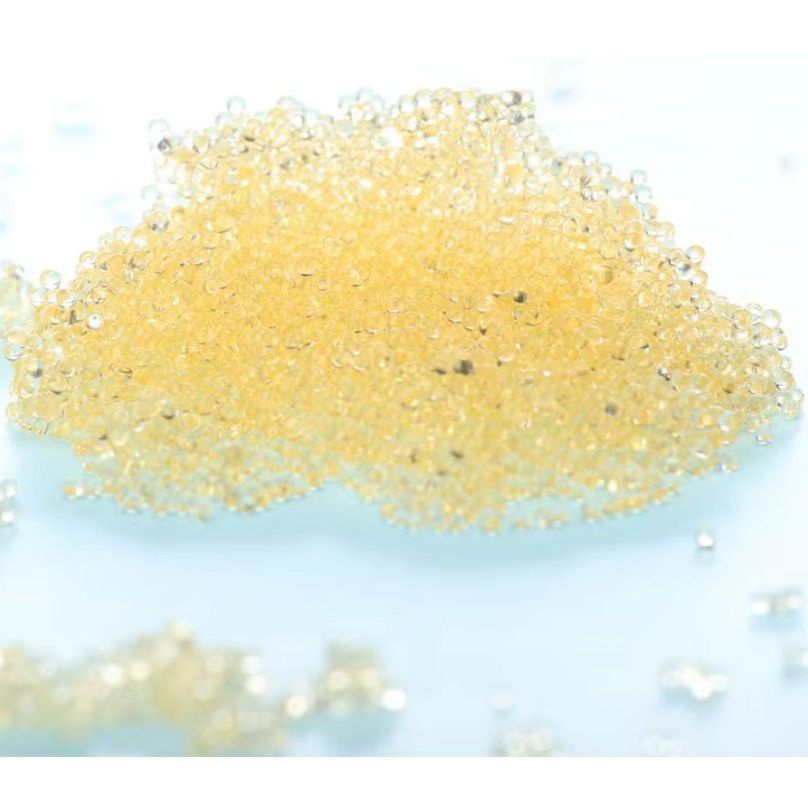
Appearance: spherical granules, golden yellow to brownish-yellow; source also lists ivory, white, or yellow color options
Moisture content: 45-52% for 001X7; 38-50% listed for variant grade
Total exchange capacity: >=4.5 mmol/g dry for 001X7; 4.4 listed for variant grade
Wet apparent density: 0.77-0.87 g/mL for 001X7; 0.81-0.87 g/mL listed for variant grade
Wet true density: 1.24-1.28 g/mL for 001X7; 1.30 g/mL listed for variant grade
Particle size: >=95% within listed grade range, including 0.315-1.25 mm, 0.45-1.25 mm, 0.50-1.25 mm, or 0.63-1.25 mm depending on variant
Effective particle size: 0.40-0.70 mm for 001X7; other variants list >=0.50 mm, 0.55-0.90 mm, or >=0.63 mm
Uniformity coefficient: <=1.6 for 001X7 and 001X7FC; <=1.4 for 001X7MB and 001X7SC
Who uses this page
Target buyers
Water treatment chemical importers
Industrial resin distributors
Boiler water and softening system integrators
Pure water preparation equipment suppliers
Sugar refining and decolorization processors
Industrial separation and extraction operators
Power plant water treatment procurement teams
Chemical trading companies sourcing ion exchange media
Before matching
Documents to check
CAS number, grade, assay, and impurity profile
SDS, COA, TDS, HS code, and transport classification
Destination-market import documents before supplier matching
Package and route
Packing notes
Source-listed regular packaging includes 25 L plastic bags on wooden pallets
Source-listed regular packaging includes super sacks on wooden pallets
Source-listed regular packaging includes blue plastic drums on wooden pallets
Confirm net volume or net weight per unit, pallet count, and container loading plan before quotation
Request photos or packing specification for export packaging, pallet fumigation status where applicable, and labeling format
Confirm whether sample packing and full-container packing use the same grade, batch documentation, and seal identification
Applications and sourcing options
Check whether this product fits the buyer's actual application.
Clear application, grade, package, and document notes help separate real sourcing demand from a vague price check.
Use context
Common applications
Hard water softening resin sourcing
Pure water preparation system resin replacement
Industrial cation exchange media procurement
Sugar industry decolorization and purification support
Rare metal separation process media evaluation
Biochemical extraction process media evaluation
Pharmaceutical-adjacent process resin qualification subject to buyer validation
Catalyst or dehydration-related industrial resin evaluation subject to technical review
How we compare
Sourcing options
Request quotation for 001X7 standard grade with 25 L bag packing
Request quotation for FC, MB, or SC variant where tighter particle size or uniformity is needed
Request sample order with matching COA and retained batch reference
Request palletized drum packing for buyers prioritizing container protection and easier warehouse handling
Request super sack packing for bulk industrial users with suitable unloading setup
Request private-label or customized packaging only after confirming export label compliance
Human review
Compliance notes
Verify CAS 9060-05-3, product name, resin form, and grade variant on COA and commercial documents
Request SDS, COA, TDS, packing list, invoice, certificate of origin if needed, and any destination-specific declarations requested by the importer
Confirm HS code, DG classification, and whether the supplier ships this resin as non-dangerous goods for the buyer's destination and carrier route
Check whether the listed applications such as pharmaceutical industry, antibiotic extraction, sugar processing, and water treatment require buyer-side qualification or food/pharma-contact documentation
Do not rely on marketplace claims alone for GB/T, DL/T, or SH standard conformance; request batch-level test results against the specific standard clauses relevant to the order
Confirm impurity-related points such as extractables, residual monomer limits, leachables, heavy metals, organic matter release, chloride/sodium level, and TOC suitability if relevant to the application
For regulated end uses, request documented suitability statements and ensure importer review under local chemical, water-contact, food-contact, or pharma-adjacent requirements
Buyer search paths
Related sourcing terms
These terms support long-tail discovery while keeping the page focused on useful product and China export buying context.
001X7 cation exchange resinstrong acid cation resinstyrene divinylbenzene resinsulfonic acid ion exchange resinCAS 9060-05-3 resinwater softening resin exporterindustrial ion exchange resinsodium form cation resinGB/T 13659 resinDL/T 519 ion exchange resinSH2605.01 resinion exchange resin supplier China
Related product options
Build a broader quote package from adjacent options.
Buyers often compare neighboring grades, forms, or route options before sending one consolidated RFQ.
Share target market, quantity, packaging scope, artwork status, delivery destination, and required documents so CHN Chemicals can prepare a cleaner supplier comparison.
Questions to confirm
Can you confirm the exact grade being quoted: 001X7, 001X7FC, 001X7MB, or 001X7SC?
Can you provide a recent COA showing moisture, total exchange capacity, particle size distribution, effective particle size, uniformity coefficient, wet apparent density, and wet true density?
Is the resin supplied in sodium form only, or can other ionic forms be quoted with separate specification documents?
What is the guaranteed bead size range and percentage retained within specification for the offered batch?
Can you clarify the 99.9% purity statement and identify which test method or quality attribute it refers to?
What impurity or cleanliness data can be supplied for residual monomers, extractables, leachables, heavy metals, TOC, and chloride/sodium content?
Which implementation standard will be printed on the contract, COA, and product label: GB/T 13659-2008, DL/T 519-2004, SH2605.01-2003, or another agreed specification?
What is the minimum order quantity for export, and can pre-shipment samples be provided from current production stock?
Checks before quote
Verify CAS 9060-05-3, product name, resin form, and grade variant on COA and commercial documents
Request SDS, COA, TDS, packing list, invoice, certificate of origin if needed, and any destination-specific declarations requested by the importer
Confirm HS code, DG classification, and whether the supplier ships this resin as non-dangerous goods for the buyer's destination and carrier route
Check whether the listed applications such as pharmaceutical industry, antibiotic extraction, sugar processing, and water treatment require buyer-side qualification or food/pharma-contact documentation
Do not rely on marketplace claims alone for GB/T, DL/T, or SH standard conformance; request batch-level test results against the specific standard clauses relevant to the order
Confirm impurity-related points such as extractables, residual monomer limits, leachables, heavy metals, organic matter release, chloride/sodium level, and TOC suitability if relevant to the application
For regulated end uses, request documented suitability statements and ensure importer review under local chemical, water-contact, food-contact, or pharma-adjacent requirements
Next step
Send the product page with your target quantity and market. A sourcing manager can then confirm sample options, supplier fit, packaging details, and open document gaps.