Acetylene Carbon Black Conductive Additive, CAS 1333-86-4, Battery and Polymer Compound Grade
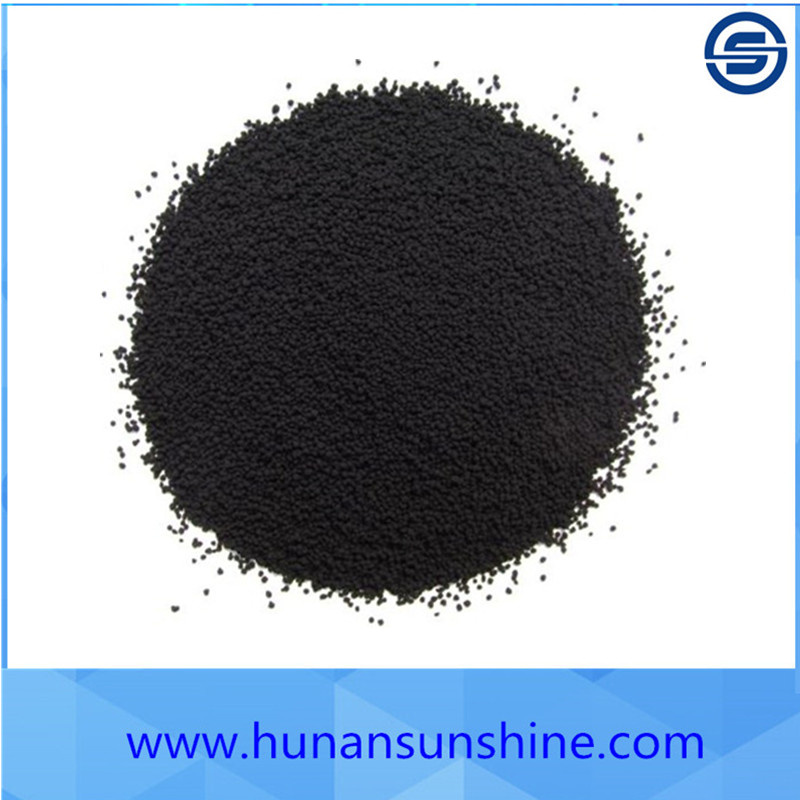
Acetylene carbon black candidate for overseas buyers sourcing conductive additives for battery materials, plastic masterbatch, rubber compounds, coatings, inks, and cable shielding applications. Key buyer checks should focus on CAS 1333-86-4 identity, grade form, resistivity, iodine absorption, ash, coarse particles, pH, moisture or heating reduction, packing format, COA consistency, SDS availability, and export/DG classification confirmation before RFQ or shipment.
Quick buying facts
Identify the grade, package, and import market before comparing suppliers.
Use this page to check the product identity, common specification points, document scope, package notes, and destination-market questions before sending a China sourcing request.
CAS No.: 1333-86-4Conductive carbon black / acetylene black additiveCandidate for RFQ with documentation and grade verification required
Rubber compounders and silicone rubber additive buyers
Coatings, inks, sealants, and adhesive formulators
Before matching
Documents to check
CAS number, grade, assay, and impurity profile
SDS, COA, TDS, HS code, and transport classification
Destination-market import documents before supplier matching
Package and route
Packing notes
Standard packing stated as 10 kg per bag.
Container loading stated as 10,000 kg per 40 ft HQ; buyer should verify palletization, net/gross weight, and loading plan.
Bag options referenced: kraft paper bag, PP/PE bag, PE/EVA bag, and ton bag.
Granular grade and compressed powder grade may require different packing and dust-control expectations during transport and unloading.
Request photos of inner liner, bag markings, pallet wrapping, batch labels, and container loading before shipment.
For export shipments, confirm whether moisture protection, anti-contamination measures, and container cleanliness inspection are included.
Applications and sourcing options
Check whether this product fits the buyer's actual application.
Clear application, grade, package, and document notes help separate real sourcing demand from a vague price check.
Use context
Common applications
Conductive additive for battery materials where acetylene black grade and impurity profile are approved by the buyer.
Conductive filler for plastic masterbatch and polymer compounds requiring low ash and controlled resistivity.
Conductive component in rubber, silicone rubber, coatings, inks, sealants, tapes, and specialty compounds.
Cable shielding or anti-static compound applications subject to buyer validation.
Electronics packaging or conductive packaging materials where dust, dispersion, and impurity specifications are controlled.
How we compare
Sourcing options
Request a pre-shipment sample and compare conductivity, dispersion, ash, and particle-related data against the incumbent grade.
Start with 10 kg bag trial packing before moving to palletized or FCL quantities.
For battery applications, negotiate expanded impurity testing and lot traceability beyond the basic marketplace specification.
For masterbatch applications, request dispersion performance data in the target resin system or conduct buyer-side compounding trials.
Select granular form where dust reduction and feeding behavior are more important, subject to conductivity validation.
Select compressed powder form where the buyer’s process is already qualified for powder handling and dispersion.
Use third-party inspection for quantity, packing integrity, labeling, and COA-to-batch matching before shipment.
Human review
Compliance notes
Request current SDS in the destination-market language and format before purchase.
Request COA for each lot showing CAS, grade, resistivity, iodine absorption, ash, coarse particles, pH, heating reduction, and any agreed battery/polymer impurity limits.
Confirm transport classification with the supplier and freight forwarder, including whether the material is shipped as non-DG or subject to any combustible dust, self-heating, or local transport controls.
Verify REACH-related documentation if importing into the EU; the source page references REACH certification, but buyer should obtain the actual certificate or declaration and registration role details.
Confirm TSCA, DSL/NDSL, UK REACH, K-REACH, AICS/AIIC, or other inventory status as applicable to the destination market.
For battery, electronics, or polymer applications, request heavy metals, sulfur, PAHs, moisture, volatile matter, magnetic foreign matter, and particle/distribution data if these are critical to the end-use specification.
Do not rely on marketplace claims such as non-hazardous or environment-friendly without reviewing SDS, transport documents, and destination-country requirements.
Confirm HS code 2803000000 with customs broker before import, as classification may depend on product form and local customs interpretation.
Buyer search paths
Related sourcing terms
These terms support long-tail discovery while keeping the page focused on useful product and China export buying context.
acetylene carbon blackacetylene black CAS 1333-86-4conductive carbon blackconductive additive for batterycarbon black for plastic masterbatchconductive filler for polymer compoundsbattery conductive additivecarbon black HS code 2803000000low ash acetylene blackgranular acetylene blackconductive compound additivecarbon black for cable shielding
Related product options
Build a broader quote package from adjacent options.
Buyers often compare neighboring grades, forms, or route options before sending one consolidated RFQ.
Share target market, quantity, packaging scope, artwork status, delivery destination, and required documents so CHN Chemicals can prepare a cleaner supplier comparison.
Questions to confirm
Please confirm the exact product grade name, whether it is acetylene black, acetylene carbon black, or a specific internal model such as STC-AB/G20.
Please provide the latest TDS and SDS for CAS 1333-86-4, including transport classification and packaging group status if applicable.
What is the difference between compressed powder grades of 0%, 25%, 50%, 75%, and 100%, and what test method defines the percentage?
Can you provide a recent COA from commercial production showing resistivity, iodine absorption, ash, coarse particles, pH, heating reduction, and bulk specific volume?
What are the available particle morphology, DBP absorption, BET surface area, volatile matter, moisture, sulfur, metal impurities, and magnetic foreign matter specifications?
Is the grade recommended for lithium-ion battery use, lead-acid battery use, conductive plastic masterbatch, rubber, coating, or cable shielding, and are separate grades available for each application?
What is the minimum order quantity for trial lots and full container orders, and can you support sample shipment with the same grade and production route?
What packing formats are available for export: 10 kg bags, palletized bags, jumbo bags, or customized inner liners?
Checks before quote
Request current SDS in the destination-market language and format before purchase.
Request COA for each lot showing CAS, grade, resistivity, iodine absorption, ash, coarse particles, pH, heating reduction, and any agreed battery/polymer impurity limits.
Confirm transport classification with the supplier and freight forwarder, including whether the material is shipped as non-DG or subject to any combustible dust, self-heating, or local transport controls.
Verify REACH-related documentation if importing into the EU; the source page references REACH certification, but buyer should obtain the actual certificate or declaration and registration role details.
Confirm TSCA, DSL/NDSL, UK REACH, K-REACH, AICS/AIIC, or other inventory status as applicable to the destination market.
For battery, electronics, or polymer applications, request heavy metals, sulfur, PAHs, moisture, volatile matter, magnetic foreign matter, and particle/distribution data if these are critical to the end-use specification.
Do not rely on marketplace claims such as non-hazardous or environment-friendly without reviewing SDS, transport documents, and destination-country requirements.
Confirm HS code 2803000000 with customs broker before import, as classification may depend on product form and local customs interpretation.
Next step
Send the product page with your target quantity and market. A sourcing manager can then confirm sample options, supplier fit, packaging details, and open document gaps.