Boiler Water Treatment Chemical SGR-1909W for pH Regulation, Corrosion Control and Scale Inhibition
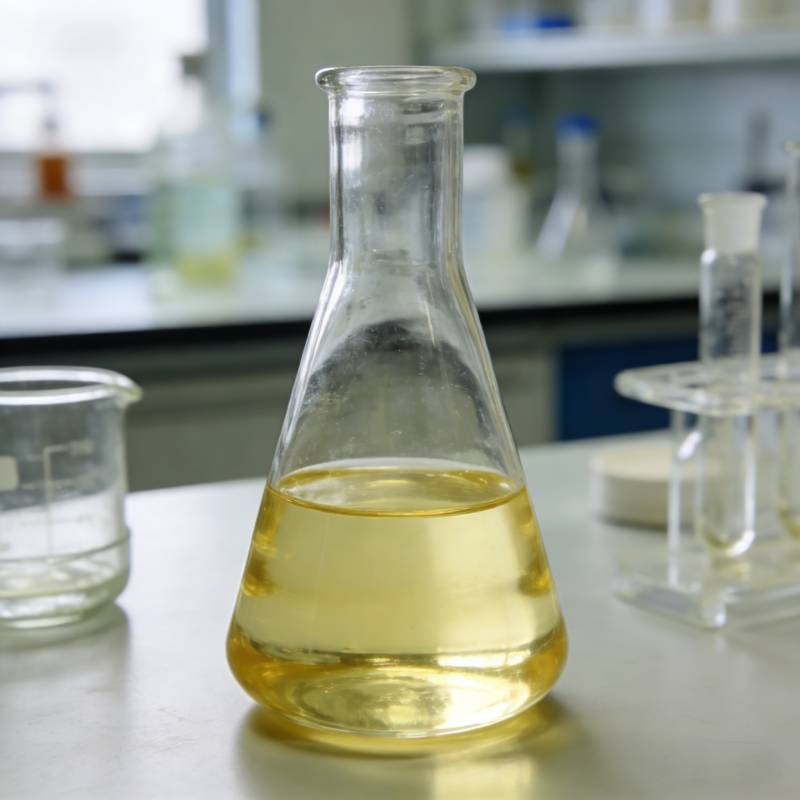
Buyer-facing candidate for a liquid alkaline boiler water treatment chemical supplied from China, positioned for corrosion control, scale inhibition and pH regulation in boiler steam-water systems. Key checks for RFQ include exact formulation disclosure limits, grade, pH range, density, packing format, SDS/COA readiness, export classification, and compatibility with the buyer's boiler treatment program.
Quick buying facts
Identify the grade, package, and import market before comparing suppliers.
Use this page to check the product identity, common specification points, document scope, package notes, and destination-market questions before sending a China sourcing request.
Model: SGR-1909WBoiler water treatment chemical / alkaline pH regulator and scale inhibitorCandidate - document and DG review required
Application claim: boiler steam-water system corrosion prevention, scale inhibition and pH regulation
Shelf life: one year, subject to supplier COA and storage conditions
Origin: Jining City, Shandong Province, China
Production capacity stated by source: 5000 tons/year
Who uses this page
Target buyers
Industrial boiler operators
Water treatment service companies
Chemical distributors for utility and plant maintenance markets
Power plant maintenance procurement teams
Textile, paper, food processing, chemical, and manufacturing plants using steam boilers
Overseas importers sourcing China-origin water treatment chemicals
Before matching
Documents to check
CAS number, grade, assay, and impurity profile
SDS, COA, TDS, HS code, and transport classification
Destination-market import documents before supplier matching
Package and route
Packing notes
Standard packing listed as 25 kg plastic drum.
Bulk packing option listed as 1 ton drum/IBC or buyer-specified packing subject to confirmation.
Source mentions blue plastic bucket and white plastic drum options.
Package data shown for 1 ton unit: 120 cm x 100 cm x 115 cm, gross weight around 1054 kg.
Confirm palletization, drum material, closure type, UN-compatible packaging status if applicable, and export marks before order.
Warehouse receiving should check drum seal integrity, batch number, production date, net weight, and COA match on arrival.
Applications and sourcing options
Check whether this product fits the buyer's actual application.
Clear application, grade, package, and document notes help separate real sourcing demand from a vague price check.
Use context
Common applications
Procurement candidate for boiler steam-water circuit chemical treatment programs
Replacement candidate for existing corrosion and scale control formulations after technical validation
Distributor stock item for industrial water treatment customers
Tender or RFQ comparison item where pH, density, packing, SDS and COA are required
China warehouse receiving and export consolidation for liquid industrial chemicals
How we compare
Sourcing options
Request sample with SDS, COA and TDS before bulk order.
Quote 25 kg drums for trial or distributor resale.
Quote 1 ton IBC/drum for plant-scale procurement where logistics and DG status are confirmed.
Use third-party pre-shipment inspection for packing, labels, batch numbers, net weight and document matching.
Arrange freight only after DG classification, HS code, and destination import requirements are confirmed.
Human review
Compliance notes
Request current SDS in English before quotation acceptance.
Request COA with pH, density, appearance, batch number, production date, expiry date, and agreed internal control items.
CAS number may not apply to the whole formulated blend; request CAS numbers or substance disclosure for regulated components where legally shareable.
High alkalinity suggests corrosive or irritant classification may apply; confirm GHS classification, pictograms, UN number, packing group, HS code, and DG status with supplier and freight forwarder.
Do not rely on marketplace environmental or performance claims without buyer-side technical review and site-specific approval.
Confirm whether the product contains amines, phosphates, volatile components, restricted additives, or substances subject to import registration in the destination country.
Export/import compliance should be checked against destination rules, boiler chemical approvals, workplace chemical inventory obligations, and carrier acceptance requirements.
No regulatory guarantee is implied; buyer should verify documentation with local compliance teams before purchase.
Buyer search paths
Related sourcing terms
These terms support long-tail discovery while keeping the page focused on useful product and China export buying context.
boiler water treatment chemical Chinaboiler pH regulator liquidcorrosion inhibitor boiler waterscale inhibitor boiler steam systemalkaline boiler treatment chemicalindustrial water treatment chemical supplierChina warehouse receiving chemical25 kg drum boiler chemical1 ton IBC water treatment chemicalSDS COA boiler water treatment
Related packing and logistics options
Build a broader quote package from adjacent options.
Buyers often compare neighboring grades, forms, or route options before sending one consolidated RFQ.
Share target market, quantity, packaging scope, artwork status, delivery destination, and required documents so CHN Chemicals can prepare a cleaner supplier comparison.
Questions to confirm
What is the full commercial product name and exact model code on the COA and drum label?
Can the supplier provide English SDS, COA, TDS, label artwork, and product photos for the same batch or current production lot?
Is this product sold as a formulated blend, and what CAS numbers or regulated component disclosures can be provided for import review?
What are the confirmed pH, density, active content or solids content, and quality control limits for export batches?
Does the product contain phosphate, ammonia, hydrazine, morpholine, DEHA, cyclohexylamine, neutralizing amines, filming amines, or other reportable boiler treatment components?
What is the GHS classification, UN number if applicable, HS code, packing group, and DG transport status for sea and air shipment?
Can the supplier support 25 kg drums, 200 L drums, or 1000 kg IBC packing with export pallets and compliant labels?
What is the minimum order quantity, lead time, sample availability, and batch retention policy?
Checks before quote
Request current SDS in English before quotation acceptance.
Request COA with pH, density, appearance, batch number, production date, expiry date, and agreed internal control items.
CAS number may not apply to the whole formulated blend; request CAS numbers or substance disclosure for regulated components where legally shareable.
High alkalinity suggests corrosive or irritant classification may apply; confirm GHS classification, pictograms, UN number, packing group, HS code, and DG status with supplier and freight forwarder.
Do not rely on marketplace environmental or performance claims without buyer-side technical review and site-specific approval.
Confirm whether the product contains amines, phosphates, volatile components, restricted additives, or substances subject to import registration in the destination country.
Export/import compliance should be checked against destination rules, boiler chemical approvals, workplace chemical inventory obligations, and carrier acceptance requirements.
No regulatory guarantee is implied; buyer should verify documentation with local compliance teams before purchase.
Next step
Send the product page with your target quantity and market. A sourcing manager can then confirm sample options, supplier fit, packaging details, and open document gaps.