Carboxymethyl Cellulose (CMC) Mining Reagent, CAS 9004-32-4
Buyer-focused sourcing candidate for sodium carboxymethyl cellulose (CMC) supplied as a white to light-yellow powder for mineral processing and industrial reagent applications. Key checks should confirm CAS 9004-32-4, sodium CMC grade, viscosity range, degree of substitution, purity, moisture, pH, particle size, heavy metals, packing format, SDS/COA readiness, and export classification before RFQ confirmation.
Quick buying facts
Identify the grade, package, and import market before comparing suppliers.
Use this page to check the product identity, common specification points, document scope, package notes, and destination-market questions before sending a China sourcing request.
CAS No.: 9004-32-4Mining reagent / industrial chemical auxiliary agentCandidate - verify specification, documents, packing, and export classification
Chemical name: Sodium carboxymethyl cellulose / Carboxymethyl cellulose sodium salt
Reported formula: C8H15NaO8 / NaC8H16O8; verify against supplier COA and SDS
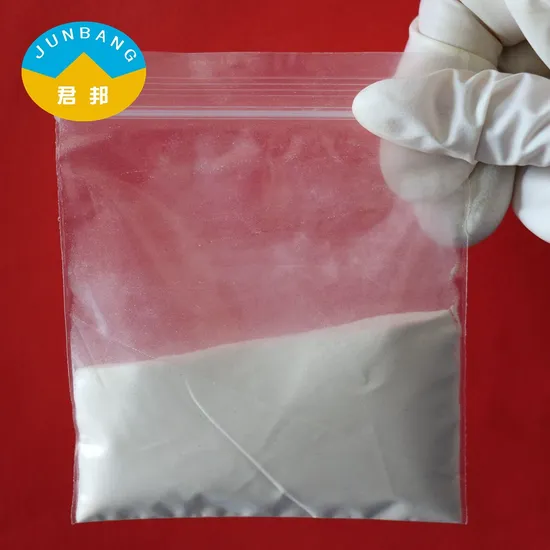
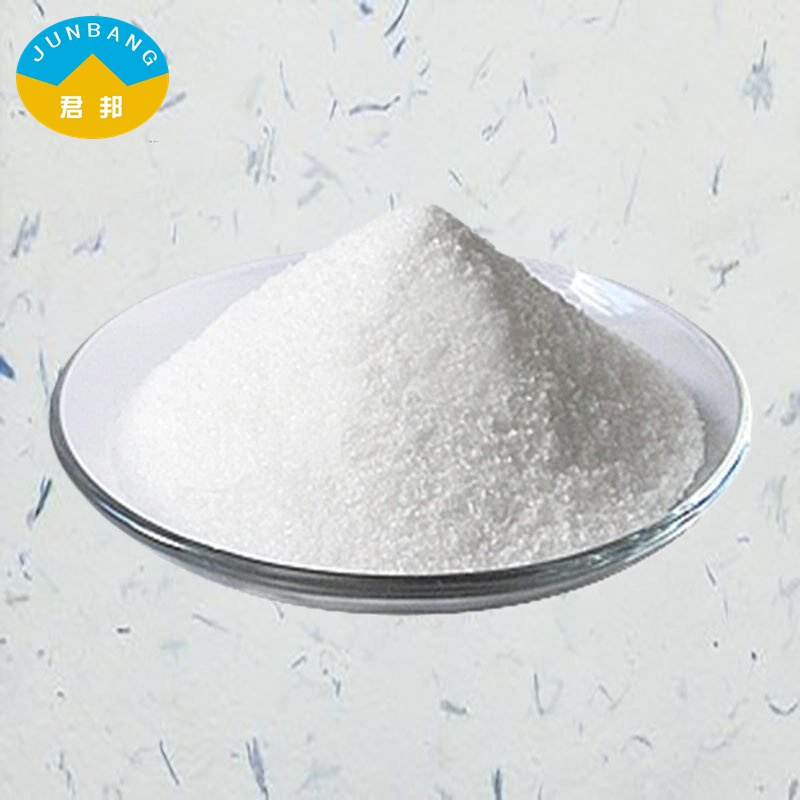
Appearance: White or light yellow powder
Viscosity: 1% solution at 25°C, 5–8000 mPa.s; buyer should specify target viscosity grade
Purity: ≥99% as listed; verify test method and grade basis
Moisture: ≤10%; also listed loss on drying ≤8%, clarify applicable limit
pH: 6.5–9.0
Degree of substitution (DS): 0.5–1.3
Particle size: 90% min at 250 μm as listed; confirm sieve direction and acceptance criterion
Heavy metals as Pb: ≤0.0015%
Fe: ≤0.02%
Who uses this page
Target buyers
Mining reagent distributors
Mineral processing plants
Flotation reagent procurement teams
Industrial chemical importers
Oilfield auxiliary chemical buyers requiring CMC grade confirmation
Chemical formulators sourcing cellulose ether additives
Regional distributors seeking China-origin mining chemical supply
Before matching
Documents to check
CAS number, grade, assay, and impurity profile
SDS, COA, TDS, HS code, and transport classification
Destination-market import documents before supplier matching
Package and route
Packing notes
Listed packing: 25 kg/bag or 1000 kg/bag; source page also mentions iron drum, so packing must be confirmed before purchase
Request photos or packing specification showing bag type, liner, palletization, net/gross weight, and moisture protection
For sea freight, confirm whether product is palletized, stretch-wrapped, and protected against humidity
Ask whether private label, neutral marking, batch number, production date, and expiry/retest date can be printed on bags
Confirm MOQ of 1 ton and availability of pre-shipment sample or retained batch sample
Applications and sourcing options
Check whether this product fits the buyer's actual application.
Clear application, grade, package, and document notes help separate real sourcing demand from a vague price check.
Use context
Common applications
Mineral processing reagent formulation where CMC viscosity and DS are specified
Industrial thickener, binder, suspending agent, stabilizer, or dispersant applications subject to buyer validation
Mining chemical supply programs requiring batch COA and export documentation
Pilot or plant trials where particle size, viscosity, moisture, and impurity limits must be controlled
Bulk procurement for distributors needing 25 kg bag or 1000 kg bag export packing
How we compare
Sourcing options
Request quotation by viscosity grade, DS range, purity basis, and packing format
Ask for standard mining-grade CMC and compare against oil-drilling, industrial, and food-grade alternatives if relevant
Source trial quantity first, then lock specification and batch-to-batch tolerance for repeat orders
Request container-load pricing with palletized export packing and moisture-control requirements
Consider third-party pre-shipment inspection for first order or new supplier qualification
Human review
Compliance notes
Request current SDS in English, COA by batch, TDS/specification sheet, packing list, invoice, certificate of origin, and export declaration support
Confirm whether the product is classified as dangerous goods for the intended route; do not rely on general non-hazard claims without SDS and transport classification review
Check destination-country import requirements for cellulose derivatives, mining reagents, and industrial chemical auxiliaries
Verify CAS, EINECS/EC number, HS code, and product name consistency across SDS, COA, label, invoice, and customs documents
Confirm impurity limits and test methods for heavy metals, arsenic, iron, moisture, viscosity, DS, and particle size
If intended for food, pharma, cosmetics, oil drilling, or other regulated end uses, request the exact grade certification; do not assume suitability from general CMC descriptions
Ask whether ISO 9001 or other management-system certificates are current and issued to the same manufacturing entity
Confirm export eligibility, sanctions screening, and end-use/end-user documentation requirements with the supplier and freight forwarder
Buyer search paths
Related sourcing terms
These terms support long-tail discovery while keeping the page focused on useful product and China export buying context.
Share target market, quantity, packaging scope, artwork status, delivery destination, and required documents so CHN Chemicals can prepare a cleaner supplier comparison.
Questions to confirm
Can you confirm the exact product name: sodium carboxymethyl cellulose, CMC, CAS 9004-32-4?
Which grade is offered for mining use, and what viscosity grade is available for 1% solution at 25°C?
Please provide a recent batch COA showing viscosity, purity, moisture or loss on drying, pH, DS, particle size, Pb, As, Fe, and heavy metals.
Which specification is binding: moisture ≤10% or loss on drying ≤8%?
What is the correct EC/EINECS number used on your SDS and export documents?
Is the product supplied in 25 kg bags, 1000 kg jumbo bags, or iron drums? Please confirm standard export packing.
Can you provide English SDS, TDS, COA, certificate of origin, packing list, and HS code recommendation before shipment?
What is the lead time for 1 ton, 5 tons, and container-volume orders?
Checks before quote
Request current SDS in English, COA by batch, TDS/specification sheet, packing list, invoice, certificate of origin, and export declaration support
Confirm whether the product is classified as dangerous goods for the intended route; do not rely on general non-hazard claims without SDS and transport classification review
Check destination-country import requirements for cellulose derivatives, mining reagents, and industrial chemical auxiliaries
Verify CAS, EINECS/EC number, HS code, and product name consistency across SDS, COA, label, invoice, and customs documents
Confirm impurity limits and test methods for heavy metals, arsenic, iron, moisture, viscosity, DS, and particle size
If intended for food, pharma, cosmetics, oil drilling, or other regulated end uses, request the exact grade certification; do not assume suitability from general CMC descriptions
Ask whether ISO 9001 or other management-system certificates are current and issued to the same manufacturing entity
Confirm export eligibility, sanctions screening, and end-use/end-user documentation requirements with the supplier and freight forwarder
Next step
Send the product page with your target quantity and market. A sourcing manager can then confirm sample options, supplier fit, packaging details, and open document gaps.