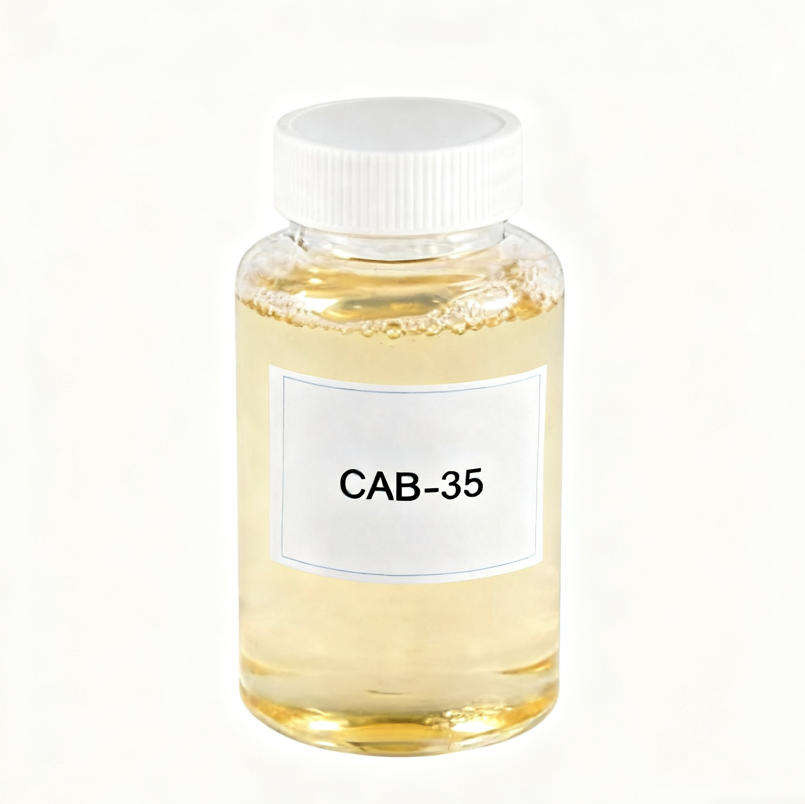
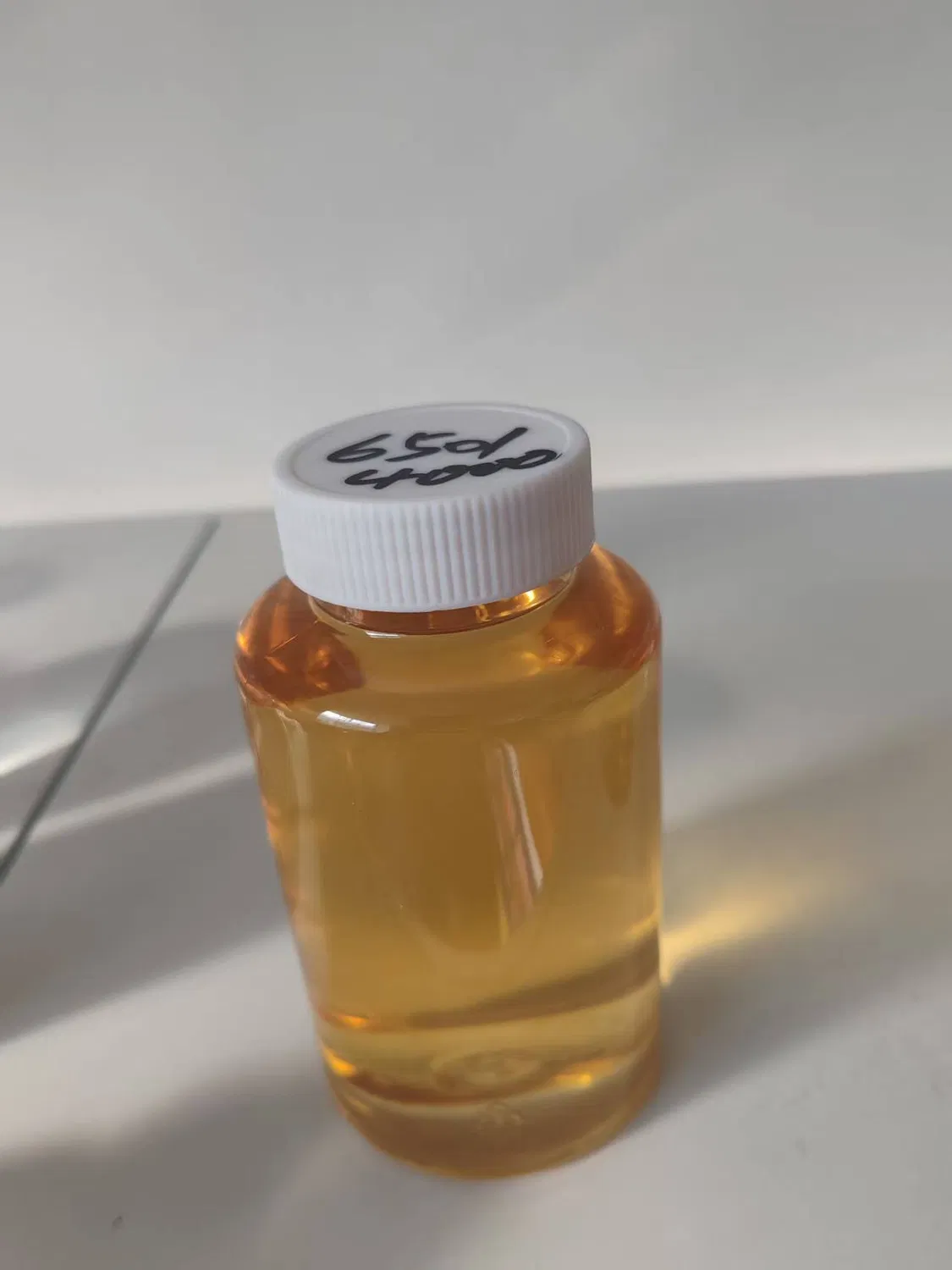
Cocamidopropyl Betaine CAPB 35% for Personal Care and Detergent Formulations
Cocamidopropyl Betaine, also listed as CAB or CAPB, CAS 61789-40-0, is an amphoteric surfactant commonly sourced for personal care, cosmetics, and detergent formulations. Buyers should confirm active content grade, appearance, pH, viscosity, free amine, sodium chloride, color, packing format, COA consistency, and export document readiness before placing an RFQ.
Quick buying facts
Identify the grade, package, and import market before comparing suppliers.
Use this page to check the product identity, common specification points, document scope, package notes, and destination-market questions before sending a China sourcing request.
CAS No.: 61789-40-0Amphoteric surfactant / cosmetic and detergent raw materialCandidate for RFQ after CAS, grade, COA, packing, and export document verification
Chemical trading companies supplying home care and personal care factories
Before matching
Documents to check
CAS number, grade, assay, and impurity profile
SDS, COA, TDS, HS code, and transport classification
Destination-market import documents before supplier matching
Package and route
Packing notes
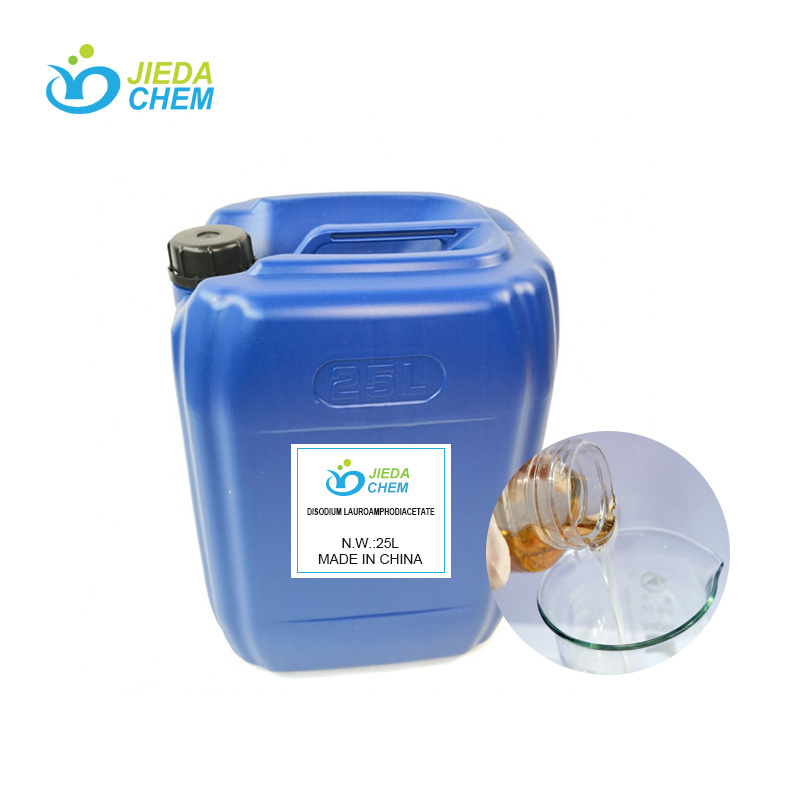
Supplier listing indicates 200 kg drum packing.
Confirm net weight, gross weight, drum material, palletization, and container loading quantity for Vietnam or Thailand shipments.
Ask whether IBC packing or flexitank options are available for bulk detergent buyers.
Confirm label language, batch number format, production date, shelf life marking, and destination port documentation requirements.
Request packing photos and previous export packing references before shipment.
Applications and sourcing options
Check whether this product fits the buyer's actual application.
Clear application, grade, package, and document notes help separate real sourcing demand from a vague price check.
Use context
Common applications
Ingredient sourcing for shampoo, hand wash, shower gel, and body wash formulations
Foaming and foam-stabilizing surfactant component in personal care products
Co-surfactant sourcing for mild cleanser systems
Raw material sourcing for detergent and cleaning formulations
Regional distribution stock for CAPB 30% or CAPB 35% grades
How we compare
Sourcing options
Request CAPB 35% in 200 kg drums for standard personal care and detergent production.
Request CAPB 30% if lower active content is acceptable and landed cost is prioritized.
Ask for factory-direct quotation by active matter, not only by drum or ton price.
Request pre-shipment sample and batch COA before confirming container quantity.
Compare Vietnam and Thailand landed cost using sea freight, local import duties, port charges, and inland trucking.
Human review
Compliance notes
Confirm exact CAS identity, INCI name, active matter basis, and whether the product is CAPB 30% or CAPB 35% before purchase.
Request COA, TDS, SDS, commercial invoice, packing list, certificate of origin, and any required export declaration documents.
Check whether the supplier can provide impurity details relevant to personal care use, especially free amine, sodium chloride, color, and residual impurities covered by the buyer's internal specifications.
Confirm destination market requirements for cosmetic, detergent, or industrial use in Vietnam, Thailand, or other importing countries with the local importer or regulatory consultant.
Verify DG classification, HS code, transport conditions, and whether the product ships as non-dangerous goods under the selected route before booking.
No regulatory approval, cosmetic claim, or end-use compliance should be assumed from the marketplace listing alone.
Buyer search paths
Related sourcing terms
These terms support long-tail discovery while keeping the page focused on useful product and China export buying context.
CAPB supplier Vietnamcocamidopropyl betaine supplier ThailandCAS 61789-40-0CAPB 35%CAB-35coco betaineamphoteric surfactantcosmetic grade surfactantdetergent raw materialcocamidopropyl betaine 200 kg drum
Related product options
Build a broader quote package from adjacent options.
Buyers often compare neighboring grades, forms, or route options before sending one consolidated RFQ.
Share target market, quantity, packaging scope, artwork status, delivery destination, and required documents so CHN Chemicals can prepare a cleaner supplier comparison.
Questions to confirm
Is the offered material CAPB 30% or CAPB 35%, and can the quoted price be tied to a specific active content range?
Can you provide a recent COA showing active content, pH, viscosity, free amine, NaCl, color, appearance, and batch number?
What test methods are used for active content, pH, viscosity, free amine, sodium chloride, and color?
Can you confirm CAS No. 61789-40-0, EINECS 263-058-8, and the INCI or trade name used on export documents?
What is the standard packing: 200 kg drum, IBC, or other format, and how many metric tons fit per 20 ft container?
Can you provide SDS, TDS, COA, certificate of origin, invoice, packing list, and export customs documents for Vietnam or Thailand?
Is the product classified as dangerous goods for sea freight or land transport on the proposed route?
What is the MOQ for commercial shipment, and are pre-shipment samples from the same production batch available?
Checks before quote
Confirm exact CAS identity, INCI name, active matter basis, and whether the product is CAPB 30% or CAPB 35% before purchase.
Request COA, TDS, SDS, commercial invoice, packing list, certificate of origin, and any required export declaration documents.
Check whether the supplier can provide impurity details relevant to personal care use, especially free amine, sodium chloride, color, and residual impurities covered by the buyer's internal specifications.
Confirm destination market requirements for cosmetic, detergent, or industrial use in Vietnam, Thailand, or other importing countries with the local importer or regulatory consultant.
Verify DG classification, HS code, transport conditions, and whether the product ships as non-dangerous goods under the selected route before booking.
No regulatory approval, cosmetic claim, or end-use compliance should be assumed from the marketplace listing alone.
Next step
Send the product page with your target quantity and market. A sourcing manager can then confirm sample options, supplier fit, packaging details, and open document gaps.
Cocamidopropyl Betaine CAPB 35% for Personal Care and Detergent Formulations | China Chemical Sourcing | CHN Chemicals