Dangerous Goods Air Freight and Export Logistics Service to Vietnam
International freight forwarding service listing for dangerous goods shipments, including air freight, customs brokerage, warehousing, project cargo support, and door-to-door logistics options. For chemical buyers, this should be treated as a logistics-service candidate rather than a chemical product source. RFQs should verify DG capability by UN number, hazard class, packing group, route, Incoterms, documentation requirements, and Vietnam import clearance responsibilities before engagement.
Quick buying facts
Identify the grade, package, and import market before comparing suppliers.
Use this page to check the product identity, common specification points, document scope, package notes, and destination-market questions before sending a China sourcing request.
Service type: international air freight, ocean freight, inland forwarding, warehousing, customs brokerage, project managementDangerous goods freight forwarding / logistics serviceHuman review
Listed service features: customs brokerage, project management, case making, exhibition logistics, cold chain logistics, marine insurance
Supplier type on source platform: logistics trading company based in Guangdong, China
Who uses this page
Target buyers
Chemical importers in Vietnam arranging China-origin dangerous goods shipments
Battery, electronics, and energy-storage companies requiring lithium battery logistics support
Chemical distributors comparing DG freight options before placing purchase orders
Procurement teams needing customs brokerage and multimodal shipment coordination
Manufacturers shipping regulated samples, commercial batches, or project cargo subject to DG review
Before matching
Documents to check
CAS number, grade, assay, and impurity profile
SDS, COA, TDS, HS code, and transport classification
Destination-market import documents before supplier matching
Package and route
Packing notes
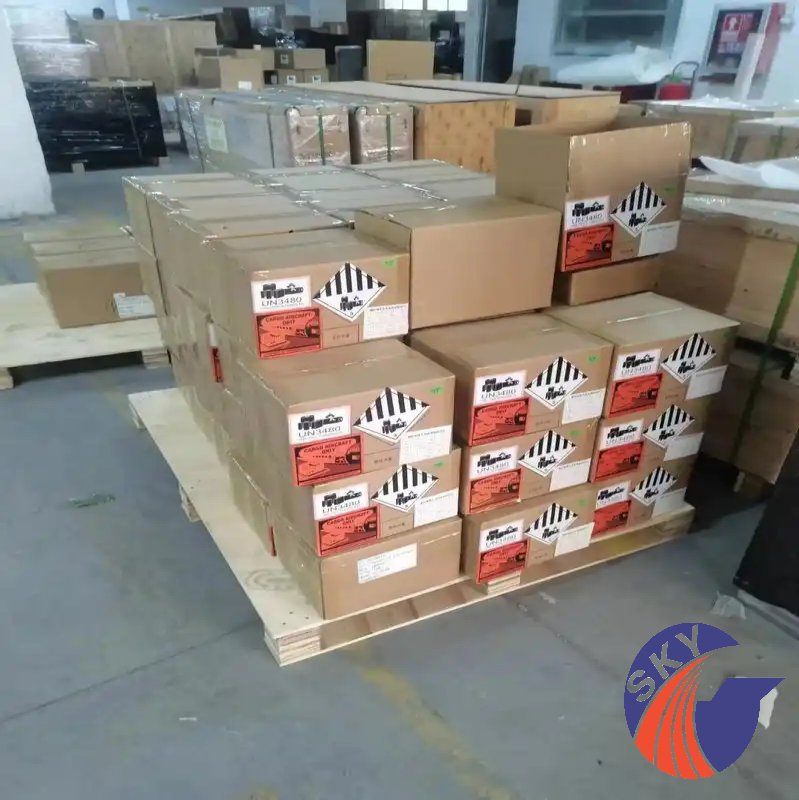
Confirm whether the forwarder accepts the specific chemical UN number, hazard class, packing group, and net quantity per package before shipment planning.
Request confirmation of approved DG packaging requirements applicable to the mode of transport, route, and destination country.
Clarify palletization, overpack, labeling, marking, and documentation responsibilities between shipper, freight forwarder, and consignee.
For lithium battery or battery-contained equipment cargo, confirm applicable test summary and packing instruction requirements with the forwarder and carrier.
Verify whether wooden case making, carton packing, pallet packing, and warehouse relabeling are available and whether they are performed under documented procedures.
Applications and sourcing options
Check whether this product fits the buyer's actual application.
Clear application, grade, package, and document notes help separate real sourcing demand from a vague price check.
Use context
Common applications
Pre-shipment RFQ for regulated chemical cargo from China to Vietnam
Air freight feasibility check for urgent DG cargo subject to carrier approval
Ocean FCL or LCL comparison for hazardous chemical shipments
Door-to-door logistics planning where customs brokerage and destination delivery need defined responsibilities
Air freight to Vietnam subject to DG carrier acceptance
Ocean FCL for larger dangerous goods cargo where sea transport is suitable
Ocean LCL only if the cargo class and consolidation rules allow acceptance
Door-to-door service under DAP or DDU where buyer retains import compliance review
Customs brokerage and warehouse handling as add-on services
Project cargo or case-making support for non-standard packaging requirements
Human review
Compliance notes
This listing is for logistics services, not a chemical product; CAS number, assay, grade, and impurity specifications are not applicable unless the buyer is separately sourcing chemicals.
For chemical cargo, RFQ review should include CAS number, product name, UN number, hazard class, packing group, SDS, COA, commercial invoice, packing list, and any destination import documentation required by Vietnam.
Air freight acceptance for dangerous goods depends on airline approval, IATA DGR classification, package limits, route restrictions, and document completeness.
DDP/DDU/DAP/CIF terms should be reviewed carefully because importer-of-record, tax, customs clearance, and permit responsibilities may differ by destination and cargo type.
Do not rely on generic claims such as fast delivery or no weight/size restrictions for DG cargo; require cargo-specific carrier acceptance confirmation.
Request written confirmation of whether the provider is acting as freight forwarder, customs broker, warehouse operator, or third-party coordinator for each shipment stage.
No regulatory clearance, customs release, or carrier acceptance should be assumed until documents and cargo classification are reviewed by qualified parties.
Buyer search paths
Related sourcing terms
These terms support long-tail discovery while keeping the page focused on useful product and China export buying context.
dangerous goods freight to VietnamDG air freight China to Vietnamhazardous chemical logistics Vietnamlithium battery shipping VietnamUN number freight quoteIATA dangerous goods air cargochemical customs brokerage VietnamDDP DDU DAP dangerous goods shippingChina Vietnam DG logisticshazardous cargo freight forwarder
Related packing and logistics options
Build a broader quote package from adjacent options.
Buyers often compare neighboring grades, forms, or route options before sending one consolidated RFQ.
Share target market, quantity, packaging scope, artwork status, delivery destination, and required documents so CHN Chemicals can prepare a cleaner supplier comparison.
Questions to confirm
Can you confirm acceptance for our exact cargo by CAS number, UN number, proper shipping name, hazard class, packing group, and net weight per package?
Which mode is available for this cargo to Vietnam: air, ocean FCL, ocean LCL, express, or multimodal?
Which Incoterms can you support for Vietnam shipments, and who acts as importer of record under each option?
What documents do you require before quoting dangerous goods freight, such as SDS, COA, DG declaration, battery test summary, invoice, and packing list?
Can you provide a route proposal showing origin warehouse, airport or port, transit points, destination clearance process, and estimated lead time?
Are there airline or carrier restrictions for this UN number, concentration, package size, or temperature condition?
Do you provide DG-compliant labeling, marking, overpack inspection, palletization, or case-making services, and what records are issued?
Can you quote separately for freight, pickup, warehouse handling, customs brokerage, DG surcharge, documentation fee, insurance option, and destination delivery?
Checks before quote
This listing is for logistics services, not a chemical product; CAS number, assay, grade, and impurity specifications are not applicable unless the buyer is separately sourcing chemicals.
For chemical cargo, RFQ review should include CAS number, product name, UN number, hazard class, packing group, SDS, COA, commercial invoice, packing list, and any destination import documentation required by Vietnam.
Air freight acceptance for dangerous goods depends on airline approval, IATA DGR classification, package limits, route restrictions, and document completeness.
DDP/DDU/DAP/CIF terms should be reviewed carefully because importer-of-record, tax, customs clearance, and permit responsibilities may differ by destination and cargo type.
Do not rely on generic claims such as fast delivery or no weight/size restrictions for DG cargo; require cargo-specific carrier acceptance confirmation.
Request written confirmation of whether the provider is acting as freight forwarder, customs broker, warehouse operator, or third-party coordinator for each shipment stage.
No regulatory clearance, customs release, or carrier acceptance should be assumed until documents and cargo classification are reviewed by qualified parties.
Next step
Send the product page with your target quantity and market. A sourcing manager can then confirm sample options, supplier fit, packaging details, and open document gaps.