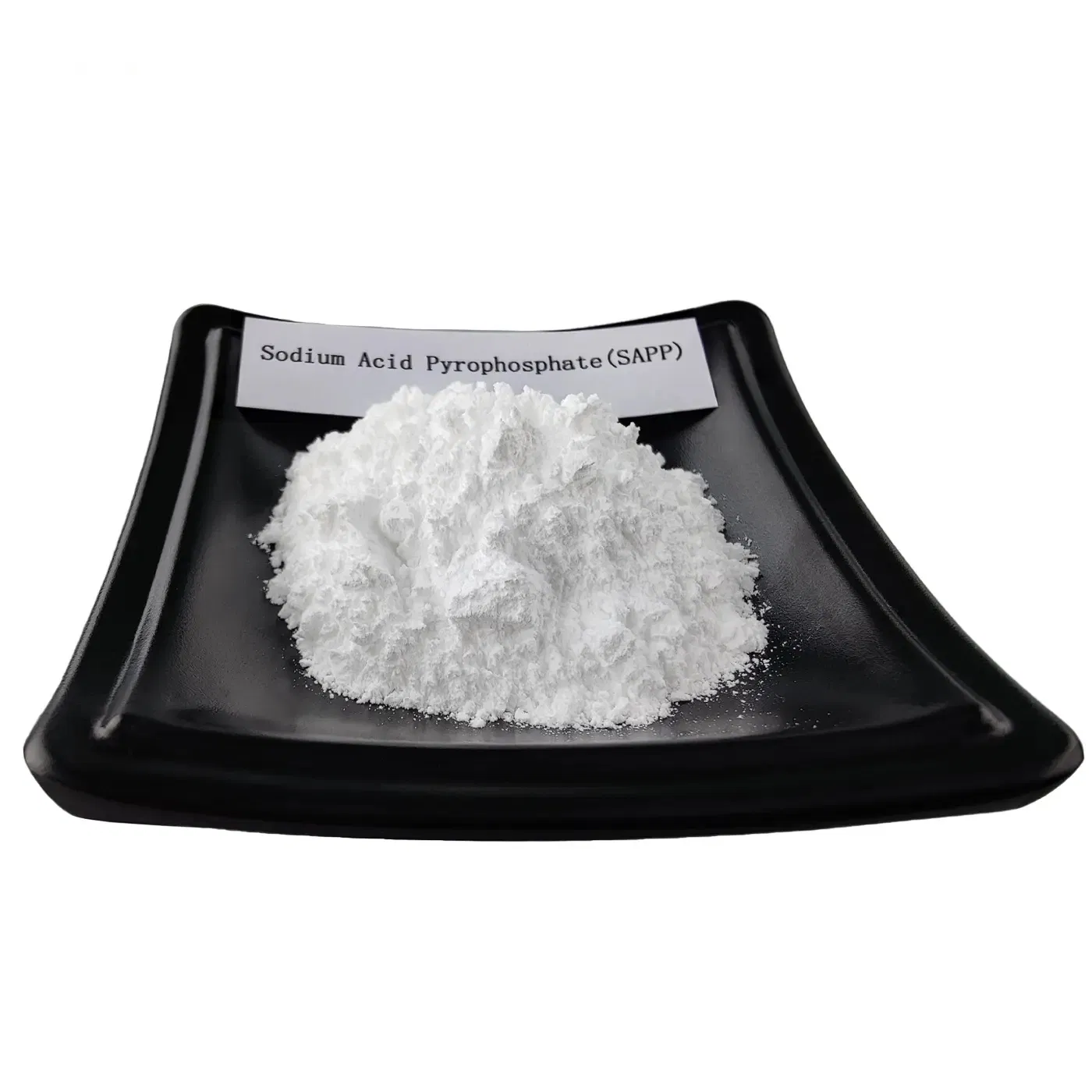
Food Grade Sodium Acid Pyrophosphate (SAPP) CAS 7758-16-9 for Bakery Ingredient Sourcing
Buyer-facing sourcing candidate for Sodium Acid Pyrophosphate (SAPP), CAS 7758-16-9, food grade phosphate ingredient commonly specified for bakery and premix applications. Buyers should verify CAS, EINECS 231-835-0, grade, assay basis, pH, heavy metals, batch COA, food-contact packaging, certification scope, export documentation, and destination-market import requirements before RFQ or sampling.
Quick buying facts
Identify the grade, package, and import market before comparing suppliers.
Use this page to check the product identity, common specification points, document scope, package notes, and destination-market questions before sending a China sourcing request.
CAS No.: 7758-16-9Food grade inorganic phosphate ingredient / sodium acid pyrophosphate (SAPP)Candidate for RFQ after CAS, assay, COA, certificate, HS code, and food additive compliance verification
Procurement teams requiring phosphate ingredient traceability
Before matching
Documents to check
CAS number, grade, assay, and impurity profile
SDS, COA, TDS, HS code, and transport classification
Destination-market import documents before supplier matching
Package and route
Packing notes
Reported standard packing: 25 kg bag
Inner PE liner stated on page
MOQ shown inconsistently as 1 kg on listing and 100 kg in basic info; confirm trial, sample, and bulk MOQ before RFQ
Sample availability is indicated for testing; confirm sample size, sample labeling, and courier eligibility
Request pallet configuration, net/gross weight, bag dimensions, lot coding, shelf-life marking, and storage condition statement on label
Confirm whether packaging is food-grade, export-ready, moisture-protective, and compliant with destination labeling requirements
Applications and sourcing options
Check whether this product fits the buyer's actual application.
Clear application, grade, package, and document notes help separate real sourcing demand from a vague price check.
Use context
Common applications
Bakery premix sourcing where controlled leavening acid performance is required
Industrial bread and cake production requiring batch-to-batch consistency
Replacement or qualification of SAPP suppliers with COA and certificate review
Distributor stock planning for food-grade phosphate ingredients
Trial order evaluation for reaction profile, taste impact, and formula compatibility
How we compare
Sourcing options
Request sample and batch COA before commercial quotation
Qualify both manufacturer and exporting entity if supplier acts as manufacturer/factory and trading company
Compare multiple SAPP grades by assay, reaction rate, pH, impurity limits, and certification scope
Ask for 25 kg bag trial order before pallet or container purchase
Confirm whether supplier can provide long-term bulk supply, lot reservation, and consistent specification control
Use pre-shipment inspection or third-party testing for first orders or high-volume procurement
Human review
Compliance notes
Request batch COA before shipment and confirm that COA reflects actual lot number, assay method, pH, loss on drying, heavy metals, and microbiological or food additive parameters if required
Clarify discrepancy between listed purity ≥99% and COA assay specification ≥95%
Request SDS, TDS/specification sheet, allergen statement, GMO statement, food-grade declaration, country of origin, and certificate of analysis
Certificates mentioned include ISO, HACCP, HALAL, and KOSHER; verify certificate holder name, scope, validity dates, issuing body, and product coverage
Confirm compliance documentation against buyer destination requirements for food additives, including permitted additive status and maximum-use rules where applicable
Do not rely on marketplace badges or audit claims as regulatory approval; conduct supplier qualification and document review
Confirm export documents available: commercial invoice, packing list, COA, SDS, certificate of origin, health/sanitary certificate if needed, and any food additive registration documents required by importer
DG/export awareness: SAPP is commonly shipped as a non-dangerous food ingredient, but buyer should verify current SDS transport classification, customs HS code, and local import restrictions before booking
Buyer search paths
Related sourcing terms
These terms support long-tail discovery while keeping the page focused on useful product and China export buying context.
Share target market, quantity, packaging scope, artwork status, delivery destination, and required documents so CHN Chemicals can prepare a cleaner supplier comparison.
Questions to confirm
Can you confirm the exact product name, CAS 7758-16-9, EINECS 231-835-0, and food-grade status on your official specification sheet?
Which assay specification applies to the offered lot: ≥95% or ≥99%, and what analytical method is used?
Can you provide a recent batch COA with lot number, manufacturing date, expiry/retest date, pH, loss on drying, heavy metals, and impurity profile?
What are the limits for arsenic, lead, cadmium, mercury, fluoride, insoluble matter, and orthophosphate or related phosphate impurities?
Is the product compliant with FCC, E450(i), GB, or other food additive standards, and can you provide supporting documents?
What reaction rate or leavening profile is available, and how is it specified for bakery premix procurement?
Are ISO, HACCP, HALAL, and KOSHER certificates issued to the actual manufacturer, trader, or affiliated facility?
What is the confirmed MOQ for samples, trial orders, and full container orders?
Checks before quote
Request batch COA before shipment and confirm that COA reflects actual lot number, assay method, pH, loss on drying, heavy metals, and microbiological or food additive parameters if required
Clarify discrepancy between listed purity ≥99% and COA assay specification ≥95%
Request SDS, TDS/specification sheet, allergen statement, GMO statement, food-grade declaration, country of origin, and certificate of analysis
Certificates mentioned include ISO, HACCP, HALAL, and KOSHER; verify certificate holder name, scope, validity dates, issuing body, and product coverage
Confirm compliance documentation against buyer destination requirements for food additives, including permitted additive status and maximum-use rules where applicable
Do not rely on marketplace badges or audit claims as regulatory approval; conduct supplier qualification and document review
Confirm export documents available: commercial invoice, packing list, COA, SDS, certificate of origin, health/sanitary certificate if needed, and any food additive registration documents required by importer
DG/export awareness: SAPP is commonly shipped as a non-dangerous food ingredient, but buyer should verify current SDS transport classification, customs HS code, and local import restrictions before booking
Next step
Send the product page with your target quantity and market. A sourcing manager can then confirm sample options, supplier fit, packaging details, and open document gaps.