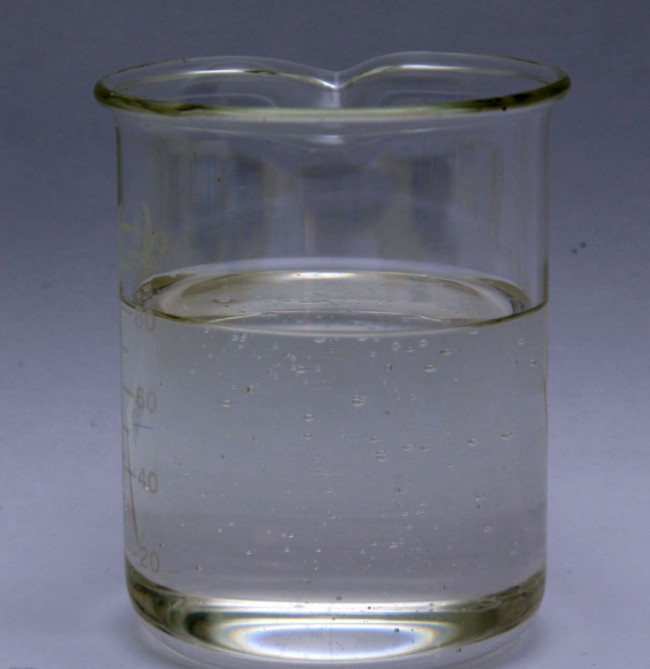
Industrial-grade formic acid candidate from a China supplier listing, offered in common concentrations such as 85%, 90%, and 95% with drum packing options. Buyer verification should focus on CAS 64-18-6 confirmation, assay by concentration, impurity profile, water content, color, chloride/sulfate/iron limits, correct dangerous goods classification, and export document availability. The source page contains inconsistent attribute text, so this candidate should be treated as RFQ-ready but specification-confirmation required before commercial evaluation.
Quick buying facts
Identify the grade, package, and import market before comparing suppliers.
Use this page to check the product identity, common specification points, document scope, package notes, and destination-market questions before sending a China sourcing request.
SDS, COA, TDS, HS code, and transport classification
Destination-market import documents before supplier matching
Package and route
Packing notes
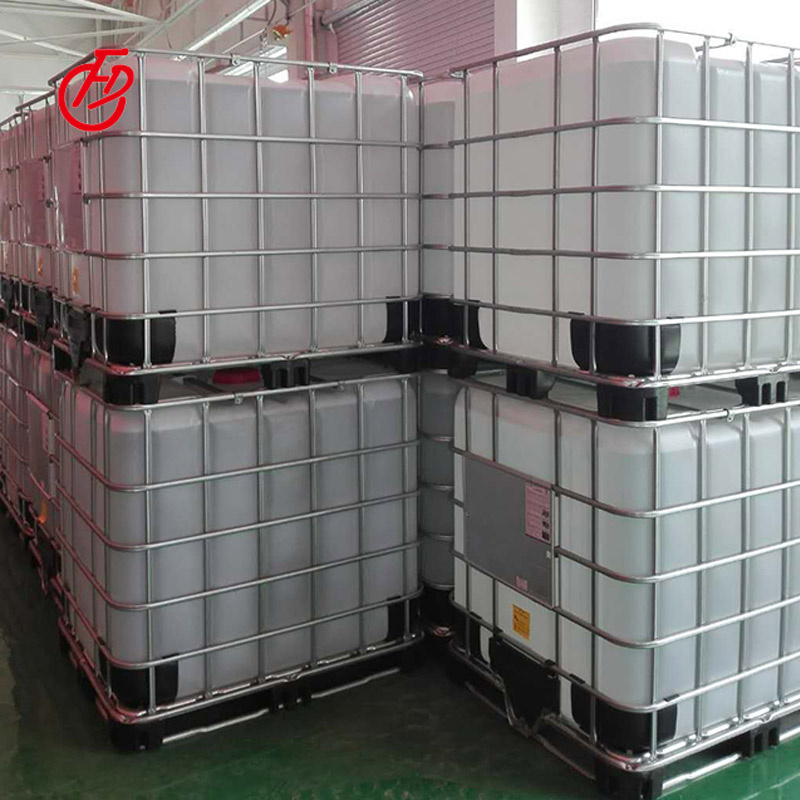
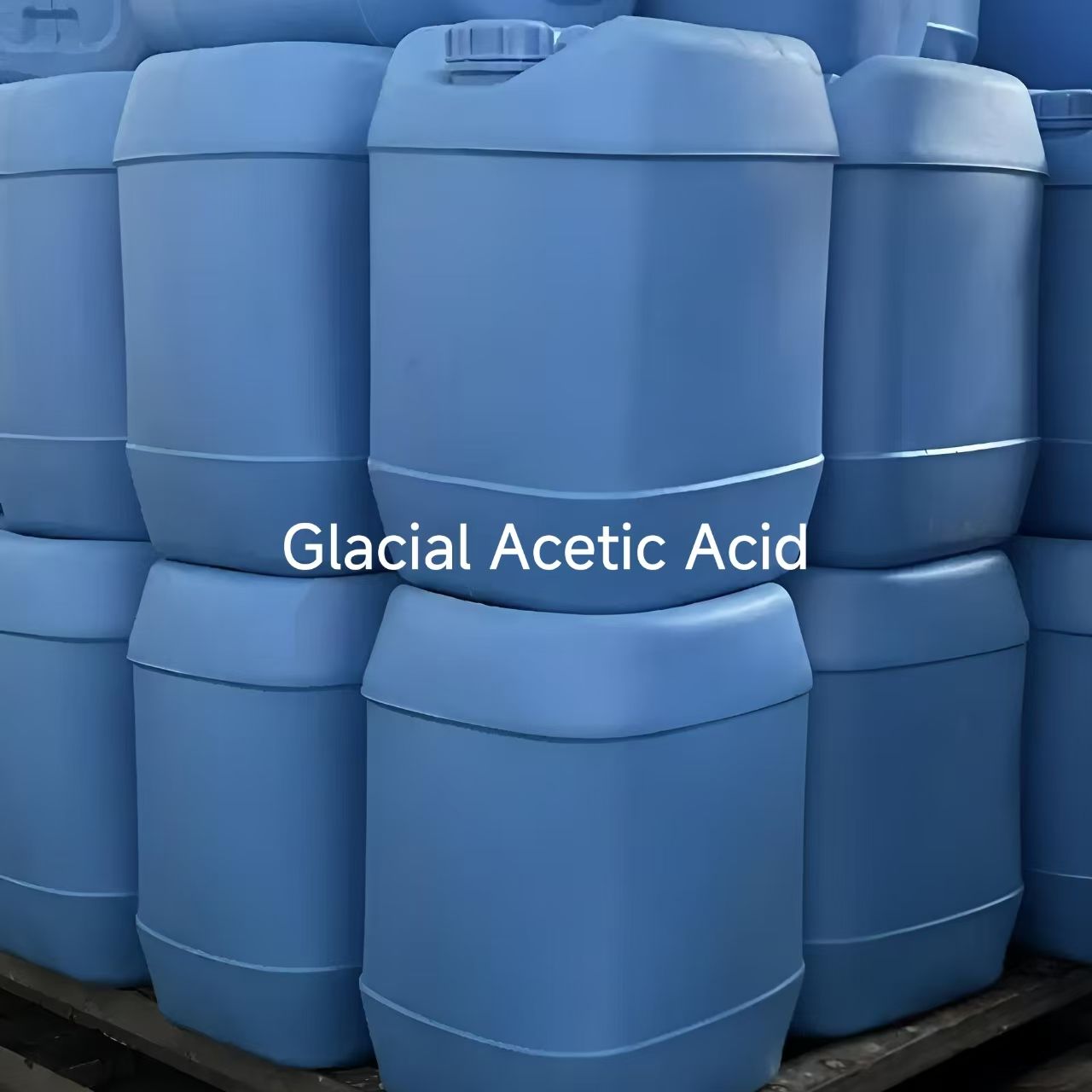
Advertised packing includes 35 kg drum and 250 kg drum; confirm exact drum material and closure type.
Request confirmation of UN-approved export packaging suitable for corrosive liquid if applicable.
Ask whether IBC packing is available for larger-volume shipments.
Confirm net weight, gross weight, palletization, container loading quantity, and photos of export marks before shipment.
Request compatibility statement for packaging material with the supplied concentration.
Confirm whether customized labels, neutral marks, or buyer-specified shipping marks are available where legally permitted.
Applications and sourcing options
Check whether this product fits the buyer's actual application.
Clear application, grade, package, and document notes help separate real sourcing demand from a vague price check.
Use context
Common applications
Industrial pH adjustment or acidification applications subject to buyer validation
Textile and leather processing where formic acid specification matches the process requirement
Latex coagulation and rubber-related industrial use where permitted
Chemical intermediate or process reagent use under qualified industrial controls
Distribution repacking or resale where local regulations and DG rules are met
How we compare
Sourcing options
Compare 85%, 90%, and 95% concentration offers based on delivered cost per active content.
Request both drum and IBC quotations for volume optimization.
Ask for FOB China port and CIF destination pricing to compare logistics responsibility.
Require batch COA review before deposit for first order.
Use third-party inspection for first shipment due to inconsistent marketplace listing data.
Shortlist suppliers that provide matching SDS, COA, UN packaging proof, and export documentation without contradictions.
Human review
Compliance notes
Formic acid is commonly shipped as a corrosive dangerous good; confirm current SDS, UN number, hazard class, packing group, and transport name for the exact concentration supplied.
Typical DG reference for formic acid solutions may include UN 1779, Class 8, but buyers should verify against supplier SDS and destination transport rules.
Request SDS in English and destination-language version if required by importer or local authority.
Request COA, Commercial Invoice, Packing List, Bill of Lading, Certificate of Origin if needed, and any destination-specific import documents before order confirmation.
Do not rely on marketplace category fields alone; the listing text includes inconsistent product attributes unrelated to formic acid.
Confirm export eligibility, import requirements, and carrier acceptance before booking shipment.
Any claims about ISO certification, audited supplier status, or plant ownership should be verified with current certificates and company registration documents.
Buyer search paths
Related sourcing terms
These terms support long-tail discovery while keeping the page focused on useful product and China export buying context.
Share target market, quantity, packaging scope, artwork status, delivery destination, and required documents so CHN Chemicals can prepare a cleaner supplier comparison.
Questions to confirm
Please confirm the product is Formic Acid, CAS 64-18-6, and specify the exact concentration available: 85%, 90%, or 95%.
Can you provide a recent COA showing assay, water, color, chloride, sulfate, iron, and residue values?
What is the standard grade designation: industrial grade, technical grade, feed-related grade, leather/textile grade, or another specification?
Please provide the current SDS and confirm UN number, hazard class, packing group, and proper shipping name for the offered concentration.
Is the drum packaging UN-approved for export shipment of corrosive liquid? Please provide packaging photos and markings.
What are the available packing sizes, including 35 kg drum, 250 kg drum, IBC, or ISO tank if applicable?
What is the MOQ for each concentration and packing type?
What is the lead time for ready stock versus made-to-order production?
Checks before quote
Formic acid is commonly shipped as a corrosive dangerous good; confirm current SDS, UN number, hazard class, packing group, and transport name for the exact concentration supplied.
Typical DG reference for formic acid solutions may include UN 1779, Class 8, but buyers should verify against supplier SDS and destination transport rules.
Request SDS in English and destination-language version if required by importer or local authority.
Request COA, Commercial Invoice, Packing List, Bill of Lading, Certificate of Origin if needed, and any destination-specific import documents before order confirmation.
Do not rely on marketplace category fields alone; the listing text includes inconsistent product attributes unrelated to formic acid.
Confirm export eligibility, import requirements, and carrier acceptance before booking shipment.
Any claims about ISO certification, audited supplier status, or plant ownership should be verified with current certificates and company registration documents.
Next step
Send the product page with your target quantity and market. A sourcing manager can then confirm sample options, supplier fit, packaging details, and open document gaps.