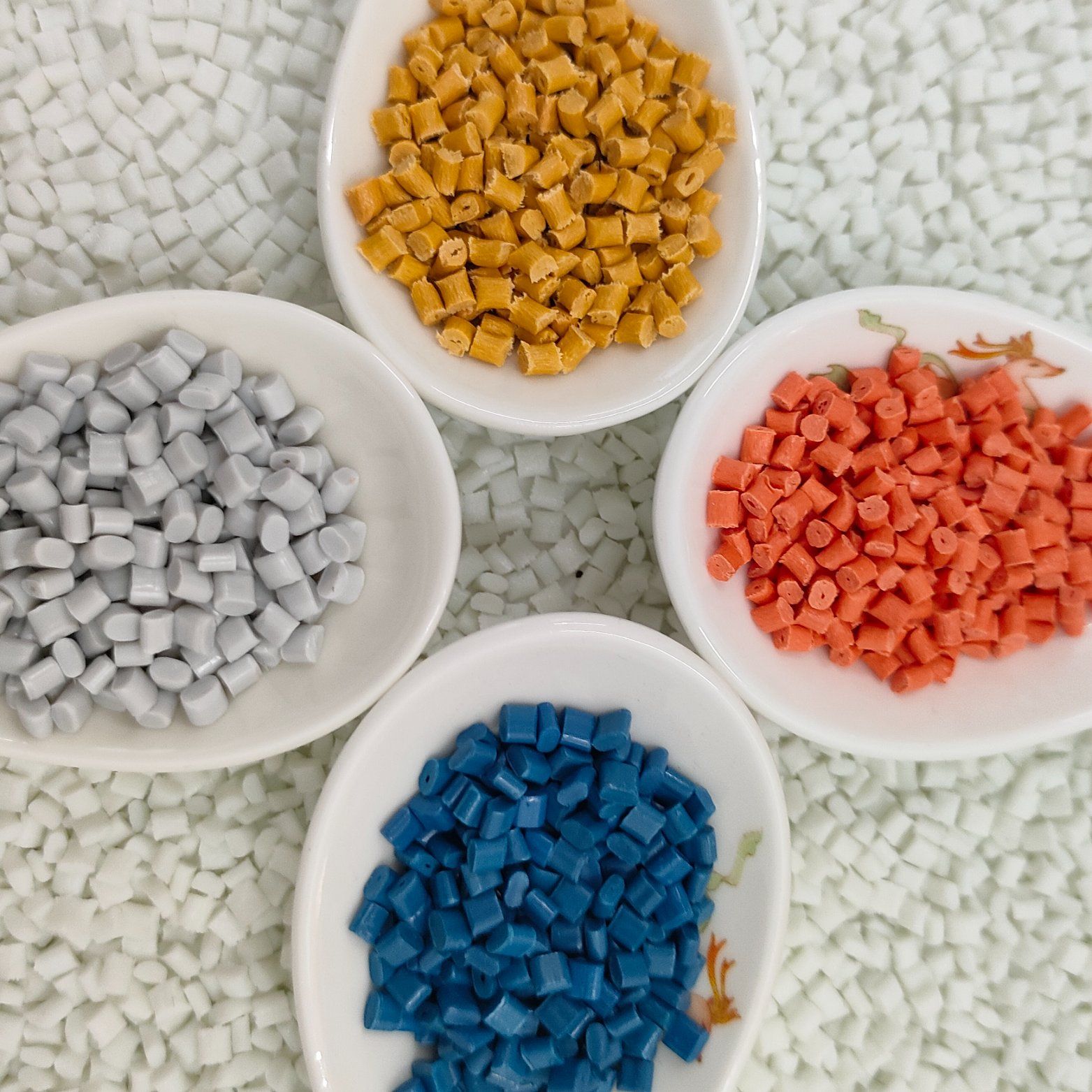
Glass Fiber Reinforced POM Pellets for Injection/Extrusion Grade Sourcing
Buyer-facing sourcing profile for polyoxymethylene (POM/polyacetal) pellets described as glass fiber reinforced filling grade, with emphasis on grade confirmation, resin identity checks, mechanical-property targets, impurity and moisture limits, packing, export documentation, and RFQ clarification before purchase.
Quick buying facts
Identify the grade, package, and import market before comparing suppliers.
Use this page to check the product identity, common specification points, document scope, package notes, and destination-market questions before sending a China sourcing request.
CAS check required: listing shows CAS No. 202-851-5, which appears inconsistent for POM resin and should be verified against supplier COA/SDS; commonly referenced POM polymer CAS may differ by grade and supplierEngineering thermoplastic resin / POM polyacetal pelletsNeeds CAS and grade verification before RFQ
CAS check required: listing shows CAS No. 202-851-5, which appears inconsistent for POM resin and should be verified against supplier COA/SDS; commonly referenced POM polymer CAS may differ by grade and supplier
Grade: glass fiber reinforced / filling grade; confirm glass fiber percentage and whether it matches POM 500P, NC010, or supplier-specific grade code
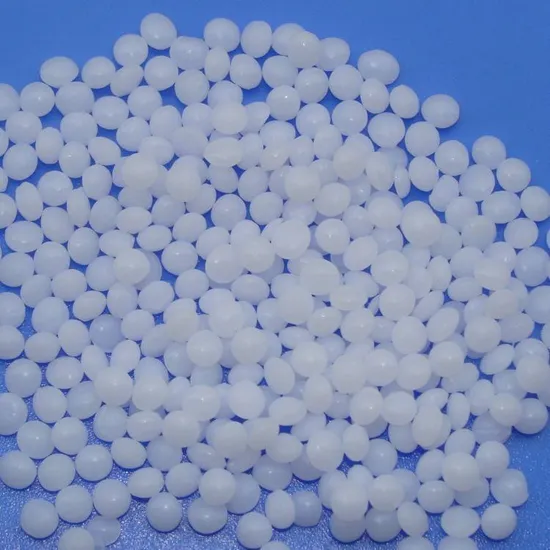
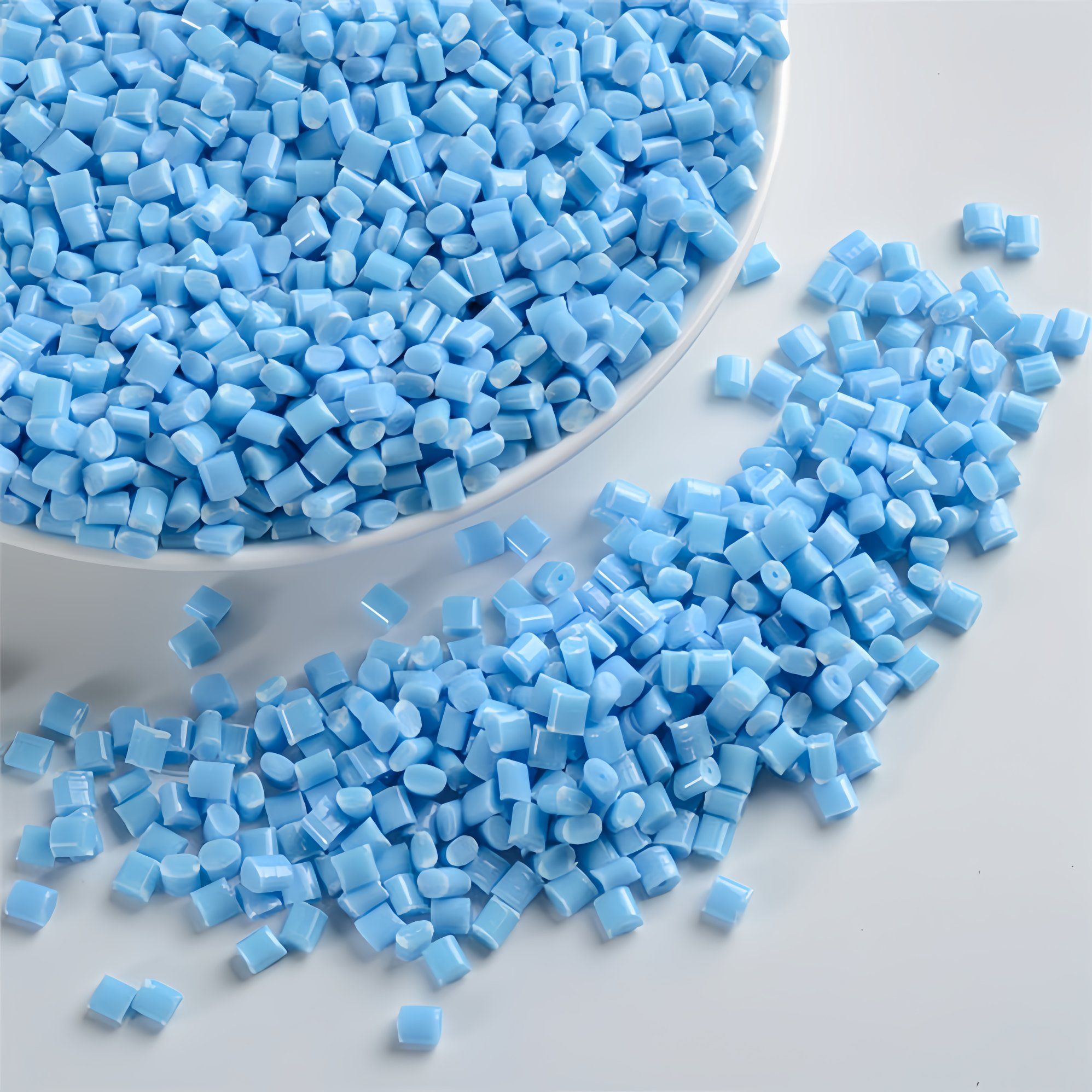
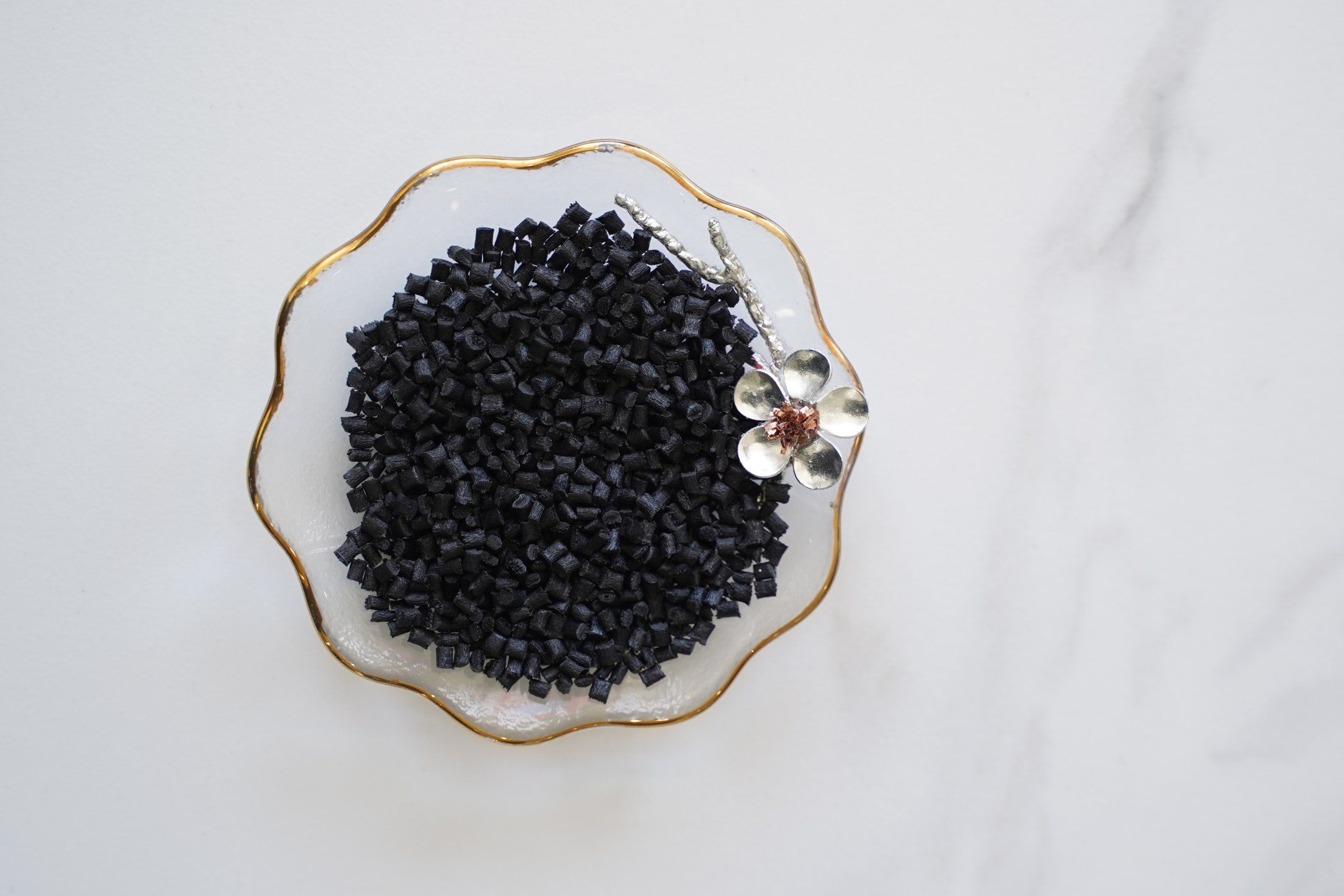
Form: white pellets/granules; confirm natural, white, black, or custom color masterbatch addition
Processing suitability: injection molding and/or extrusion; confirm melt flow rate, molding shrinkage, and processing temperature window from TDS
Moisture/volatile content: request maximum moisture level and drying recommendation from supplier TDS without relying on generic claims
Impurity points: confirm black specks, foreign particles, metal contamination, dust/fines, odor, color variation, and off-grade/recycled content limits
Quality documents: request COA by lot, TDS, SDS, RoHS/REACH declarations if required, and material traceability statement
Sample: sample availability is stated, but sample quantity, sample charge, freight responsibility, and whether the sample comes from the same production lot should be confirmed
Who uses this page
Target buyers
Injection molding manufacturers
Engineering plastic compounders
Automotive component suppliers
Electrical and electronic component molders
Industrial gear, bearing, bushing, and precision part manufacturers
Distributors sourcing POM/polyacetal resin for overseas markets
Buyers replacing metal components with high-stiffness engineering plastics
Before matching
Documents to check
CAS number, grade, assay, and impurity profile
SDS, COA, TDS, HS code, and transport classification
Destination-market import documents before supplier matching
Package and route
Packing notes
Listed packing: 25 kg per bag
Confirm bag type: kraft, woven PP, PE-lined, moisture-barrier, or palletized export packing
Confirm pallet size, net/gross weight, container loading quantity, and whether fumigation-free pallets are available
For moisture-sensitive applications, request sealed inner liner and storage condition statement
Confirm lot number marking, product grade label, production date, and batch traceability on each bag
Applications and sourcing options
Check whether this product fits the buyer's actual application.
Clear application, grade, package, and document notes help separate real sourcing demand from a vague price check.
Use context
Common applications
Precision injection molded parts requiring stiffness and dimensional stability
Mechanical components such as gears, clips, housings, sliders, rollers, and bushings
Wear-resistant engineering plastic applications where verified POM grade properties are required
Glass-filled POM applications requiring higher rigidity than standard unfilled POM
Trial lots for mold validation, color matching, or supplier qualification
How we compare
Sourcing options
Request pre-shipment sample and compare against buyer's approved POM grade specification
Ask supplier to quote both unfilled POM and glass-filled POM grades if the listing is ambiguous
Source with lot-specific COA and retained sample for repeatability checks
Use third-party inspection for packing, labeling, quantity, and document verification before shipment
Compare FOB China and CIF destination quotes including palletization and documentation costs
Qualify at least two alternative POM grades if the application depends on mechanical-property consistency
Human review
Compliance notes
Verify product identity because the listed CAS/EINECS information appears unclear or inconsistent for POM resin
Request SDS in buyer-required language and check transport classification before shipment
POM resin is generally sourced as an industrial polymer, but export, customs, and downstream use restrictions vary by destination and application
Confirm REACH, RoHS, SVHC, food-contact, automotive, electrical, or medical-use declarations only where the supplier can provide written documentation
Do not rely on marketplace claims such as photodegradable, high performance, or low price without lot-level documentation
Confirm whether the material is virgin, recycled, reprocessed, modified, glass-filled, or blended with other polymers
Ask whether any restricted additives, heavy metals, halogens, PFAS-related additives, formaldehyde-related residuals, or flame retardants are present if relevant to the buyer's market
DG/export awareness: request HS code, SDS transport section, non-dangerous goods statement if applicable, and export paperwork list before booking shipment
Buyer search paths
Related sourcing terms
These terms support long-tail discovery while keeping the page focused on useful product and China export buying context.
Share target market, quantity, packaging scope, artwork status, delivery destination, and required documents so CHN Chemicals can prepare a cleaner supplier comparison.
Questions to confirm
What is the exact grade name and manufacturer equivalent: POM 500P, NC010, QT grade, or another formulation?
Is this homopolymer POM or copolymer POM?
What is the confirmed CAS number and polymer identity shown on the SDS and COA?
What is the glass fiber content by percentage, and is it reinforced, filled, or unfilled POM?
Can you provide recent lot COA, full TDS, SDS, and photos of original packing labels?
What are the MFR/MFI test conditions and typical values?
What are the tensile strength, flexural modulus, Izod/Charpy impact, density, shrinkage, and HDT values?
What are the limits for moisture, black specks, dust/fines, foreign particles, and color difference?
Checks before quote
Verify product identity because the listed CAS/EINECS information appears unclear or inconsistent for POM resin
Request SDS in buyer-required language and check transport classification before shipment
POM resin is generally sourced as an industrial polymer, but export, customs, and downstream use restrictions vary by destination and application
Confirm REACH, RoHS, SVHC, food-contact, automotive, electrical, or medical-use declarations only where the supplier can provide written documentation
Do not rely on marketplace claims such as photodegradable, high performance, or low price without lot-level documentation
Confirm whether the material is virgin, recycled, reprocessed, modified, glass-filled, or blended with other polymers
Ask whether any restricted additives, heavy metals, halogens, PFAS-related additives, formaldehyde-related residuals, or flame retardants are present if relevant to the buyer's market
DG/export awareness: request HS code, SDS transport section, non-dangerous goods statement if applicable, and export paperwork list before booking shipment
Next step
Send the product page with your target quantity and market. A sourcing manager can then confirm sample options, supplier fit, packaging details, and open document gaps.