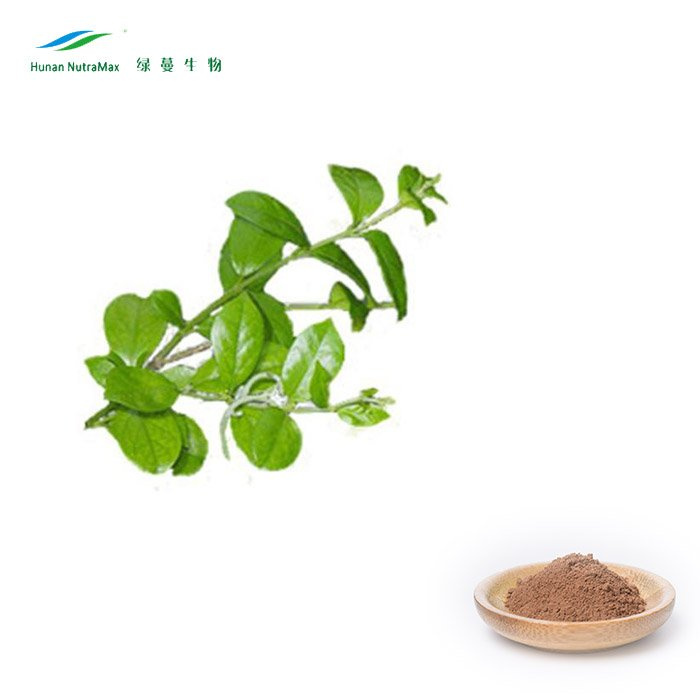
Candidate botanical extract for buyers sourcing Gymnema sylvestre powder with declared 25% or 75% gymnemic acids. Key checks should focus on CAS 90045-47-9 alignment, assay method confirmation by HPLC or UV, plant part used, concentration grade, residual solvent and contaminant limits, export documentation, and packing suitability for overseas shipment. This listing is not a fit for buyers specifically seeking industrial formic acid supply for India.
Quick buying facts
Identify the grade, package, and import market before comparing suppliers.
Use this page to check the product identity, common specification points, document scope, package notes, and destination-market questions before sending a China sourcing request.
CAS No.: 90045-47-9, to be verified against buyer specification and local import classificationBotanical extract / herbal extract powderCandidate with keyword mismatch and document verification required
Extract ratio grades from 4:1 to 20:1, subject to confirmation
Straight Gymnema sylvestre powder, subject to supplier availability
Sample order followed by 25 kg MOQ commercial packing
Custom packaging or labeling, subject to supplier confirmation
Human review
Compliance notes
Request current COA for the exact batch offered, including assay, moisture, ash, particle size, microbial limits, heavy metals, pesticide residues, residual solvents, and identification testing
Confirm whether the 25% and 75% grades use the same assay basis and whether results are calculated as gymnemic acids by HPLC or UV
Verify CAS 90045-47-9, botanical identity, plant part, extract ratio, and marker standard before import filing
Ask for allergen statement, GMO statement, BSE/TSE statement, irradiation statement, residual solvent declaration, and contaminant compliance references as applicable to destination market
Certifications mentioned include BRC, ISO, FDA, and Kosher; buyer should request valid certificate copies and check scope, site name, product coverage, and expiry dates
FDA wording on marketplace pages should be treated as document availability or facility-related information only, not as a product approval claim
Check whether the material is intended for food, supplement, nutraceutical, or other permitted use under the destination country regulations
Confirm if any solvent extraction is used and request solvent type and residual solvent limits
Buyer search paths
Related sourcing terms
These terms support long-tail discovery while keeping the page focused on useful product and China export buying context.
Share target market, quantity, packaging scope, artwork status, delivery destination, and required documents so CHN Chemicals can prepare a cleaner supplier comparison.
Questions to confirm
Can you provide COA and specification for both 25% and 75% gymnemic acids grades?
Is the supplied material leaf-only, or does it include stem and root as the page text suggests?
Which assay method is used for release testing: HPLC or UV, and can you provide the method reference?
What reference standard is used for gymnemic acids quantification?
Is CAS 90045-47-9 used on all export documents and labels?
What are the limits and actual results for heavy metals, pesticides, microbial count, yeast and mold, E. coli, Salmonella, and residual solvents?
What extraction solvent is used, and is the product compliant with buyer-specified residual solvent limits?
Can you provide batch samples from the same lot intended for commercial shipment?
Checks before quote
Request current COA for the exact batch offered, including assay, moisture, ash, particle size, microbial limits, heavy metals, pesticide residues, residual solvents, and identification testing
Confirm whether the 25% and 75% grades use the same assay basis and whether results are calculated as gymnemic acids by HPLC or UV
Verify CAS 90045-47-9, botanical identity, plant part, extract ratio, and marker standard before import filing
Ask for allergen statement, GMO statement, BSE/TSE statement, irradiation statement, residual solvent declaration, and contaminant compliance references as applicable to destination market
Certifications mentioned include BRC, ISO, FDA, and Kosher; buyer should request valid certificate copies and check scope, site name, product coverage, and expiry dates
FDA wording on marketplace pages should be treated as document availability or facility-related information only, not as a product approval claim
Check whether the material is intended for food, supplement, nutraceutical, or other permitted use under the destination country regulations
Confirm if any solvent extraction is used and request solvent type and residual solvent limits
Next step
Send the product page with your target quantity and market. A sourcing manager can then confirm sample options, supplier fit, packaging details, and open document gaps.