CCHN ChemicalsChemical export sourcing from ChinaStart RFQ
Heat Exchanger Plates for Sulfuric Acid Cooling Service sourcing visualCandidate with equipment-focused sourcing checks
Back to sourcing hubIndustrial Basics

Heat Exchanger Plates for Sulfuric Acid Cooling Service

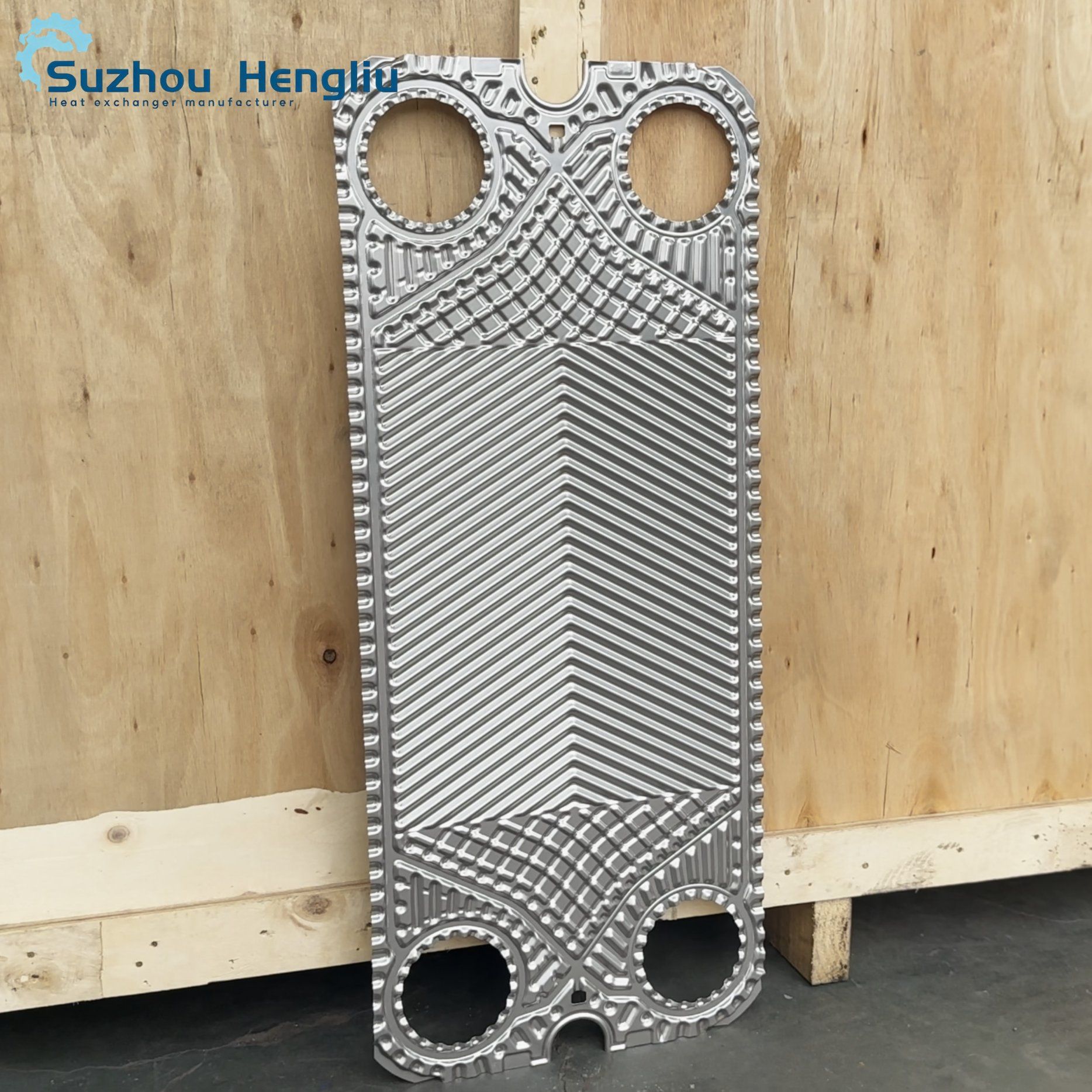
Custom heat exchanger plates for buyers specifying sulfuric acid cooling or other corrosive chemical service. This is equipment, not sulfuric acid supply; CAS and chemical concentration checks should be provided by the buyer as process design inputs. Sourcing review should focus on plate alloy selection, gasket compatibility, pressure and temperature ratings, dimensional matching, testing records, export documentation, and packing for overseas shipment.

Quick buying facts

Identify the grade, package, and import market before comparing suppliers.

Use this page to check the product identity, common specification points, document scope, package notes, and destination-market questions before sending a China sourcing request.

Chemical identity: not a chemical product; sulfuric acid CAS 7664-93-9 may be referenced only as the buyer's process mediumIndustrial heat exchanger plate / replacement plate for corrosive chemical cooling serviceCandidate with equipment-focused sourcing checks
Identity and grade

Typical specifications

  • Chemical identity: not a chemical product; sulfuric acid CAS 7664-93-9 may be referenced only as the buyer's process medium
  • Application medium to confirm: sulfuric acid concentration, operating temperature, chloride level, solids/fouling tendency, and any mixed-acid impurities
  • Plate materials listed by source: 304 stainless steel, 316L stainless steel, titanium, Hastelloy C276, nickel alloy
  • Plate dimensions: customized; buyer should provide model, drawing, plate pattern, port size, thickness, and required plate count
  • Performance attributes claimed: pressure resistant, temperature resistant, corrosion resistant
  • Maximum working pressure: customized; must be confirmed against duty conditions and applicable design code
  • Testing: source claims 100% testing and ISO 9001 compliance; request inspection and pressure/leak-test records
  • Certifications shown by source: CE, ISO, RoHS; applicability to the ordered configuration should be verified before purchase
Who uses this page

Target buyers

  • Sulfuric acid plant maintenance teams
  • Chemical process equipment buyers
  • Fertilizer and phosphate plant procurement teams
  • Metal refining and pickling facility buyers
  • EPC contractors specifying corrosive-service heat exchangers
  • Distributors of heat exchanger replacement plates
  • MRO buyers for chemical plants
Before matching

Documents to check

  • CAS number, grade, assay, and impurity profile
  • SDS, COA, TDS, HS code, and transport classification
  • Destination-market import documents before supplier matching
Package and route

Packing notes

  • Source indicates wooden case packing for transport
  • Request seaworthy export packing suitable for heavy metal plates and gasket protection
  • Confirm gross weight, crate dimensions, stacking limits, moisture protection, and spare gasket packing
  • Ask whether plates are shipped individually protected to avoid scratching, edge deformation, or gasket damage
  • Require packing list, commercial invoice, and crate marking aligned with buyer import requirements
Applications and sourcing options

Check whether this product fits the buyer's actual application.

Clear application, grade, package, and document notes help separate real sourcing demand from a vague price check.

Use context

Common applications

  • Cooling of sulfuric acid streams where material compatibility has been independently confirmed
  • Replacement plates for plate heat exchangers in corrosive chemical service
  • Maintenance shutdown procurement for acid cooling systems
  • Custom plate matching for existing heat exchanger units
  • Process equipment upgrades requiring improved corrosion and temperature resistance
How we compare

Sourcing options

  • Request quotation based on existing plate drawing, model number, material, thickness, and required quantity
  • Ask for material options including 316L, titanium, Hastelloy C276, and nickel alloy based on actual acid duty conditions
  • Order sample plate inspection before bulk procurement when dimensional matching is critical
  • Request third-party inspection for alloy verification, dimensions, gasket fit, and pressure/leak-test documentation
  • Use DDP, CIF, FOB, or EXW quotation comparison only after confirming crate size, gross weight, and HS code
Human review

Compliance notes

  • This listing is for equipment, not sulfuric acid; no chemical SDS for the plate itself should be treated as sulfuric acid SDS
  • If ordered for sulfuric acid service, buyer should provide concentration, temperature, and impurity profile for material-compatibility review
  • Do not rely on general corrosion-resistant claims; request material certificates and alloy grade confirmation for each plate batch
  • Confirm whether CE, RoHS, ISO 9001, pressure test, and inspection documents apply to the exact supplied plates
  • Heat exchanger plates are generally not dangerous goods, but confirm export HS code, customs classification, and any gasket material restrictions
  • Source page shows HS code 1601001010, which appears inconsistent for heat exchanger plates; buyer should request corrected HS code before customs clearance
  • No regulatory guarantee is implied; importer remains responsible for local pressure-equipment, customs, and end-use compliance checks
Buyer search paths

Related sourcing terms

These terms support long-tail discovery while keeping the page focused on useful product and China export buying context.

sulfuric acid cooling heat exchanger plateacid cooling plate heat exchangerHastelloy C276 heat exchanger platetitanium heat exchanger plate316L plate heat exchanger partschemical plant heat exchanger replacement platescorrosion resistant heat exchanger platessulfuric acid service equipment sourcing
RFQ questions before supplier matching

Turn this product into a quote request.

Share target market, quantity, packaging scope, artwork status, delivery destination, and required documents so CHN Chemicals can prepare a cleaner supplier comparison.

Questions to confirm
  • Is the product being supplied as new replacement plates, OEM-compatible plates, or a complete plate pack?
  • Which plate material is recommended for the buyer's sulfuric acid concentration, temperature, chloride level, and impurity profile?
  • Can the supplier provide mill test certificates for 304, 316L, titanium, Hastelloy C276, or nickel alloy plates?
  • What gasket material is proposed, and is chemical compatibility data available for the stated acid service?
  • What are the rated working pressure, design temperature, test pressure, and applicable inspection standard?
  • Can the supplier match the buyer's existing heat exchanger brand, model, plate drawing, port configuration, and corrugation pattern?
  • What leak testing, dimensional inspection, and surface inspection are performed before shipment?
  • Can the supplier provide CE/ISO/RoHS documents, pressure-test report, packing list, commercial invoice, and certificate of origin?
Checks before quote
  • This listing is for equipment, not sulfuric acid; no chemical SDS for the plate itself should be treated as sulfuric acid SDS
  • If ordered for sulfuric acid service, buyer should provide concentration, temperature, and impurity profile for material-compatibility review
  • Do not rely on general corrosion-resistant claims; request material certificates and alloy grade confirmation for each plate batch
  • Confirm whether CE, RoHS, ISO 9001, pressure test, and inspection documents apply to the exact supplied plates
  • Heat exchanger plates are generally not dangerous goods, but confirm export HS code, customs classification, and any gasket material restrictions
  • Source page shows HS code 1601001010, which appears inconsistent for heat exchanger plates; buyer should request corrected HS code before customs clearance
  • No regulatory guarantee is implied; importer remains responsible for local pressure-equipment, customs, and end-use compliance checks
Next step

Send the product page with your target quantity and market. A sourcing manager can then confirm sample options, supplier fit, packaging details, and open document gaps.