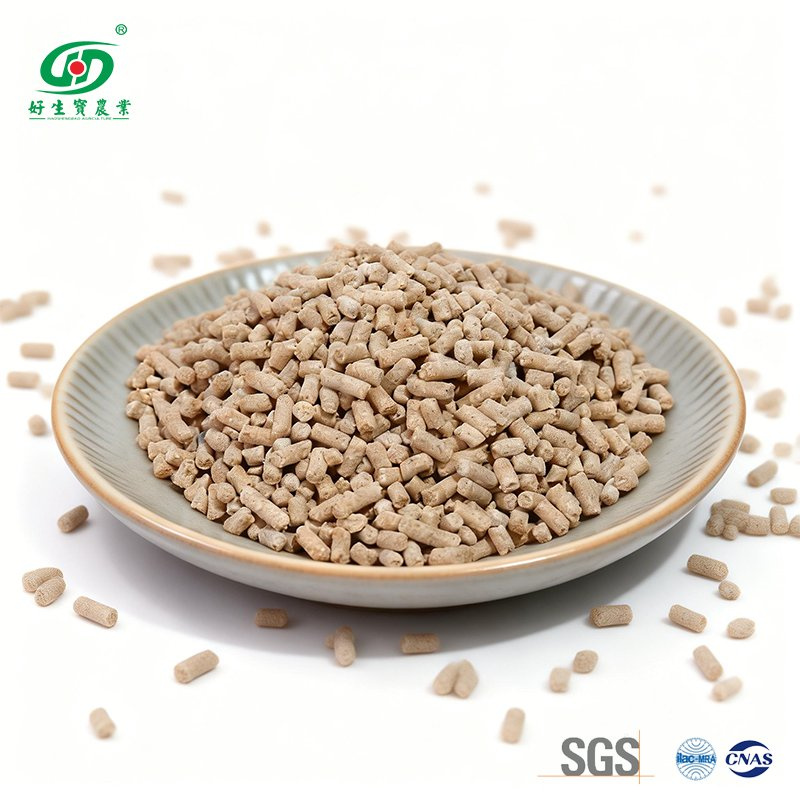
Humic Acid / Potassium Humate Granules for Agricultural Sourcing
Buyer-facing sourcing profile for China-origin humic acid or potassium humate granules intended for agricultural fertilizer formulations. Key checks should focus on confirming the exact chemical identity, CAS alignment, humic acid content, potassium content if sold as potassium humate, water solubility, moisture, pH, heavy metals, particle form, packaging, export documents, and whether the supplier can provide batch-level COA and third-party testing.
Quick buying facts
Identify the grade, package, and import market before comparing suppliers.
Use this page to check the product identity, common specification points, document scope, package notes, and destination-market questions before sending a China sourcing request.
Declared product identity should be clarified: humic acid, potassium humate, or humic acid granule/ball.Agricultural humic substance / organic fertilizer ingredientCandidate - requires identity, CAS, solubility, and contaminant verification
Declared product identity should be clarified: humic acid, potassium humate, or humic acid granule/ball.
Potential CAS references to verify with supplier: Humic acids CAS 1415-93-6; potassium humate may be supplied under different commercial identifiers depending on composition.
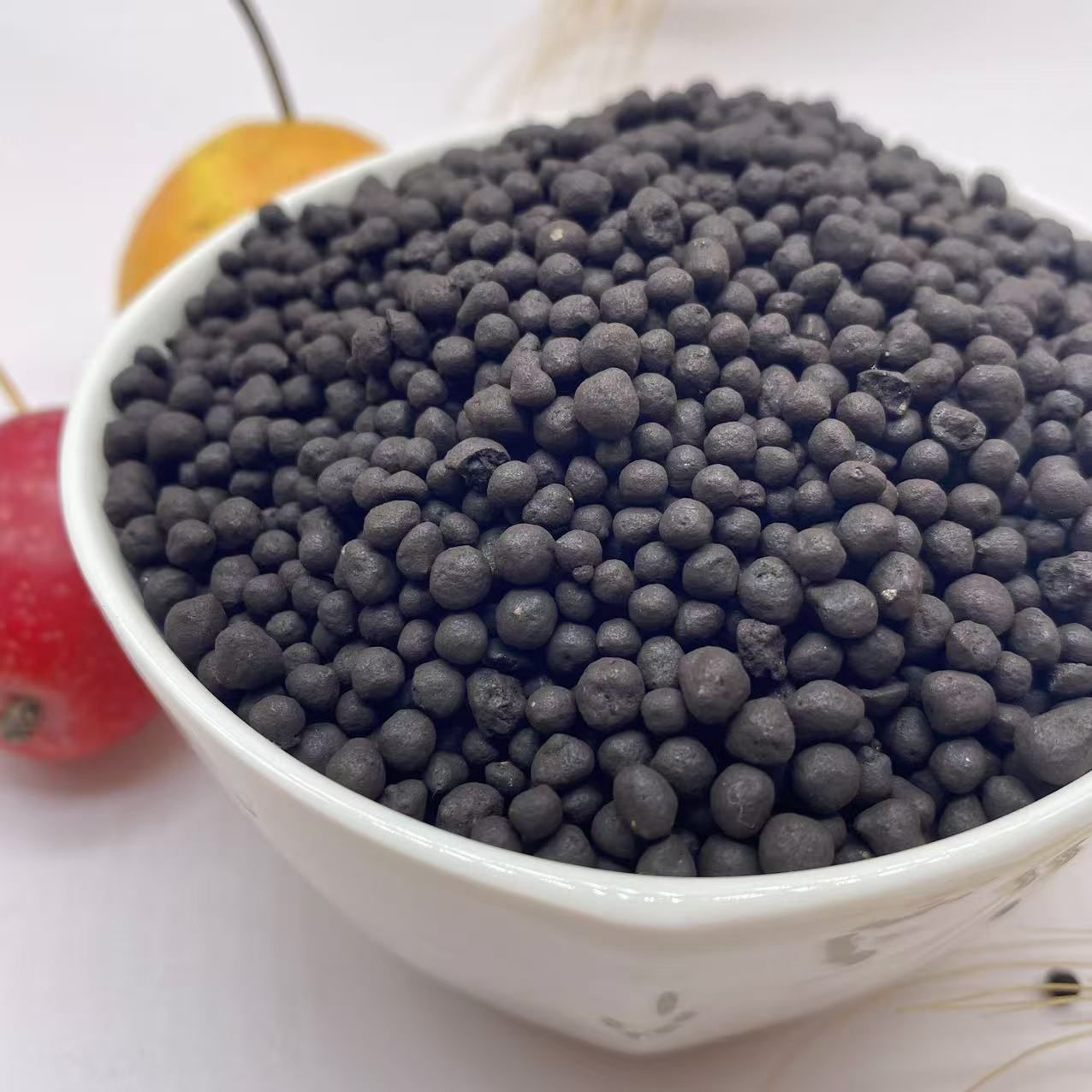
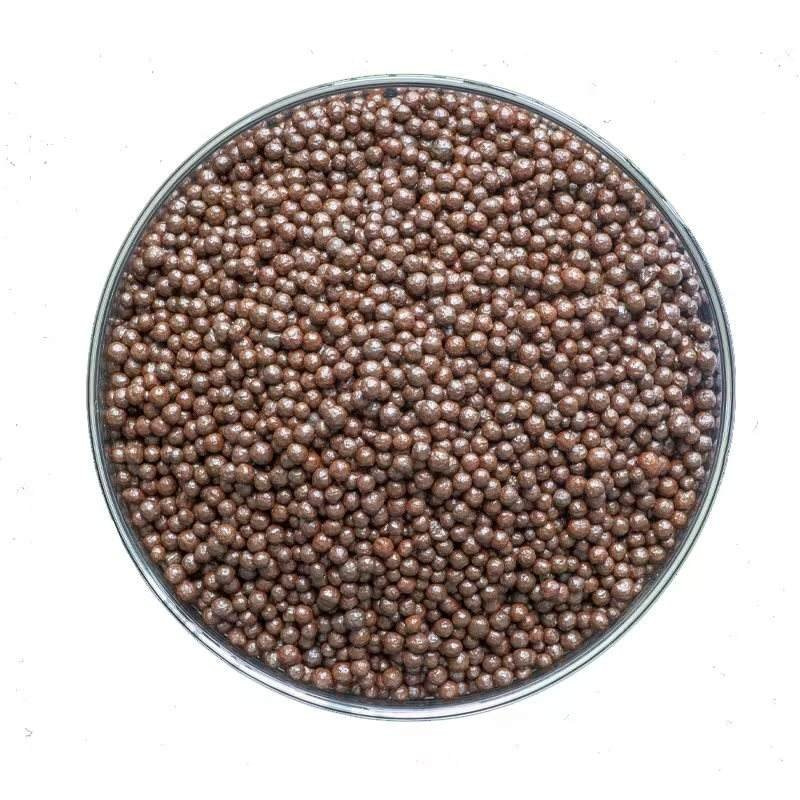
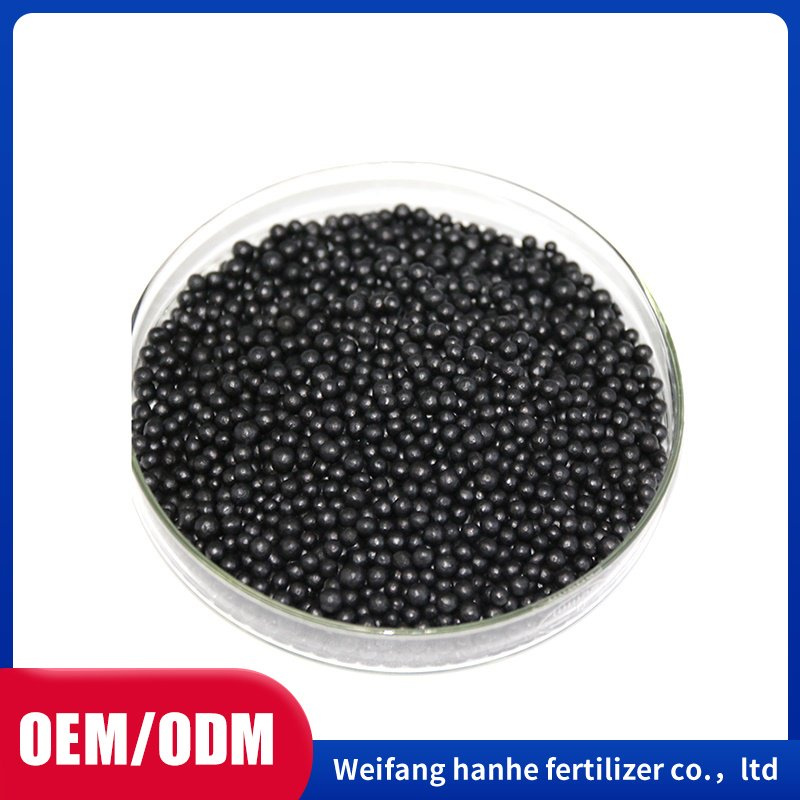
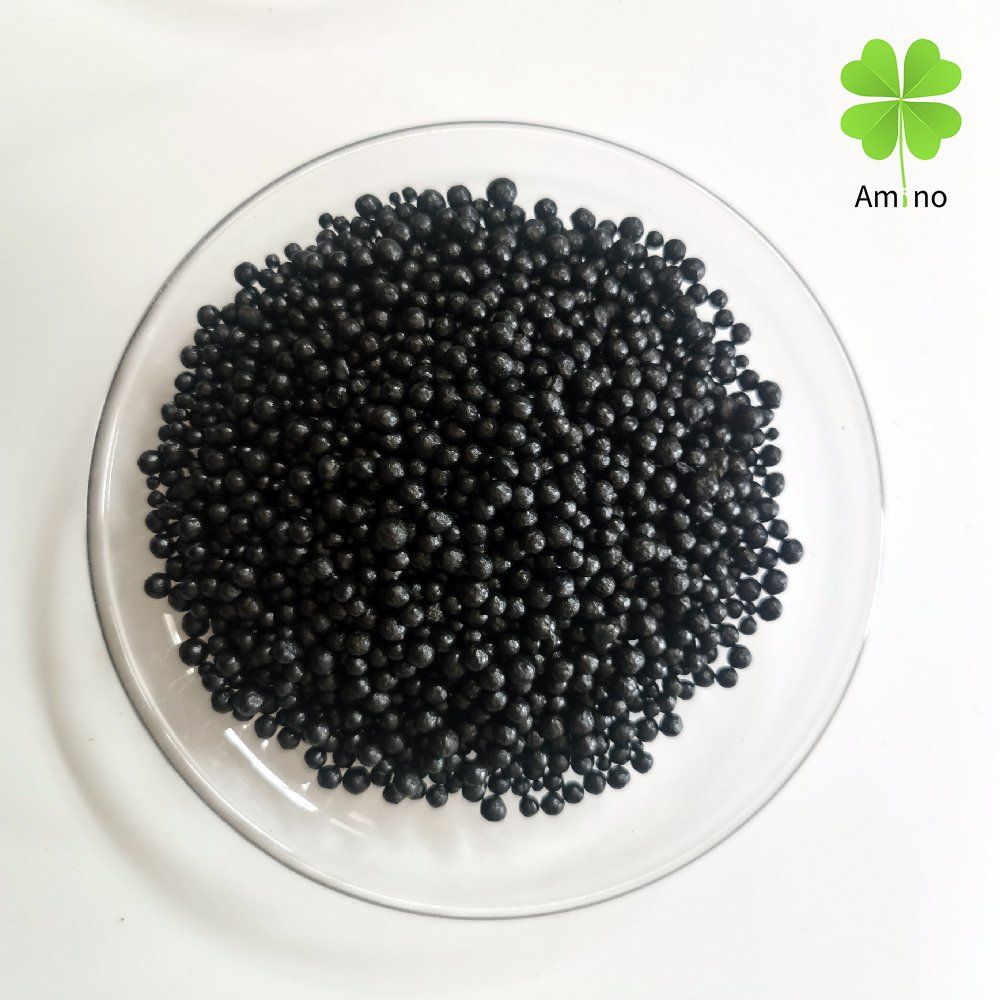
Appearance: black or brown powder, flakes, granules, or shiny balls; buyer should confirm requested form and particle size distribution.
Humic acid content: source page indicates 40-65% by dry basis and separately mentions 50-60%; buyer should request one confirmed specification range.
Water solubility: source page claims ≥95%; buyer should confirm whether this applies to potassium humate soluble grade or to the offered granular product.
Moisture: source page lists ≤8.0%, example result 6.3%.
pH: source page lists pH 7.8-9.8 for 1% aqueous solution, example result 8.6.
Cadmium: source page lists ≤5 mg/kg, example result 2.3 mg/kg; buyer should request full heavy metal panel including Pb, As, Hg, Cd, and Cr where relevant.
Thermal stability and pH-range claims should be treated as marketing claims unless supported by test data.
If sold for organic agriculture, request applicable organic-input documentation for the destination market rather than relying on general wording.
Who uses this page
Target buyers
Fertilizer importers
Agricultural input distributors
NPK and compound fertilizer formulators
Water-soluble fertilizer producers
Soil amendment brands
Agrochemical sourcing teams
Private-label fertilizer packers
Large farm input procurement teams
Before matching
Documents to check
CAS number, grade, assay, and impurity profile
SDS, COA, TDS, HS code, and transport classification
Destination-market import documents before supplier matching
Package and route
Packing notes
Source page indicates 25 kg kraft bags, colored bags, or woven bags.
Confirm inner liner, moisture barrier, palletization, and container loading plan for granules or powder.
Request packaging photos, bag markings, net weight, batch number format, and shelf-life statement.
For sea export, confirm whether the material is shipped as non-DG and whether the supplier can provide a non-dangerous goods certificate if applicable.
Ask whether samples are available from the same production route and grade as bulk shipment.
Applications and sourcing options
Check whether this product fits the buyer's actual application.
Clear application, grade, package, and document notes help separate real sourcing demand from a vague price check.
Use context
Common applications
Ingredient for granular or blended fertilizer products after local compliance review.
Soil amendment formulations where humic substances are permitted.
Water-soluble fertilizer blends if solubility and filtration performance are verified.
Private-label agricultural input products requiring batch COA and contaminant testing.
Humic acid powder, flakes, granules, or shiny ball form.
Potassium humate soluble grade versus soil-application grade.
Standard 25 kg export bags or customized branded bags.
Batch COA only or COA plus third-party pre-shipment inspection.
Trial sample, pilot order, or full container procurement.
Conventional grade or documentation-supported organic-input candidate, subject to destination approval.
Human review
Compliance notes
Request SDS, TDS/specification sheet, COA, invoice, packing list, certificate of origin, and export declaration details before order placement.
Confirm HS code; source page lists HS Code 3824999999, but buyer should validate against destination customs classification and product composition.
Do not rely on broad claims such as non-toxic, residue-free, or organic without destination-specific documentation and test evidence.
If importing for fertilizer use, check local fertilizer registration, heavy metal limits, contaminant limits, labeling requirements, and permitted ingredient status.
Confirm whether the product is humic acid, potassium humate, or a blended organic fertilizer product, as regulatory treatment and labeling may differ.
Request batch-level heavy metal and microbiological test results where required for agricultural inputs.
Supplier claims ISO9001/ISO certification; request current certificates and scope verification.
No regulatory guarantee is implied; buyer should complete destination-market compliance review before import or resale.
Buyer search paths
Related sourcing terms
These terms support long-tail discovery while keeping the page focused on useful product and China export buying context.
Share target market, quantity, packaging scope, artwork status, delivery destination, and required documents so CHN Chemicals can prepare a cleaner supplier comparison.
Questions to confirm
What is the exact product identity: humic acid, potassium humate, sodium humate, or a formulated organic fertilizer granule?
What CAS number, if any, is used on the SDS and export documents?
Can you provide a current SDS, TDS, and batch COA for the offered grade?
What is the guaranteed humic acid content on dry basis, and which test method is used?
Is the listed ≥95% water solubility guaranteed for this granular/shiny ball grade?
What is the potassium content if the product is sold as potassium humate?
What are the limits and latest results for Pb, As, Hg, Cd, Cr, and other regulated contaminants?
What is the particle size range, granule strength, dust level, and caking tendency?
Checks before quote
Request SDS, TDS/specification sheet, COA, invoice, packing list, certificate of origin, and export declaration details before order placement.
Confirm HS code; source page lists HS Code 3824999999, but buyer should validate against destination customs classification and product composition.
Do not rely on broad claims such as non-toxic, residue-free, or organic without destination-specific documentation and test evidence.
If importing for fertilizer use, check local fertilizer registration, heavy metal limits, contaminant limits, labeling requirements, and permitted ingredient status.
Confirm whether the product is humic acid, potassium humate, or a blended organic fertilizer product, as regulatory treatment and labeling may differ.
Request batch-level heavy metal and microbiological test results where required for agricultural inputs.
Supplier claims ISO9001/ISO certification; request current certificates and scope verification.
No regulatory guarantee is implied; buyer should complete destination-market compliance review before import or resale.
Next step
Send the product page with your target quantity and market. A sourcing manager can then confirm sample options, supplier fit, packaging details, and open document gaps.