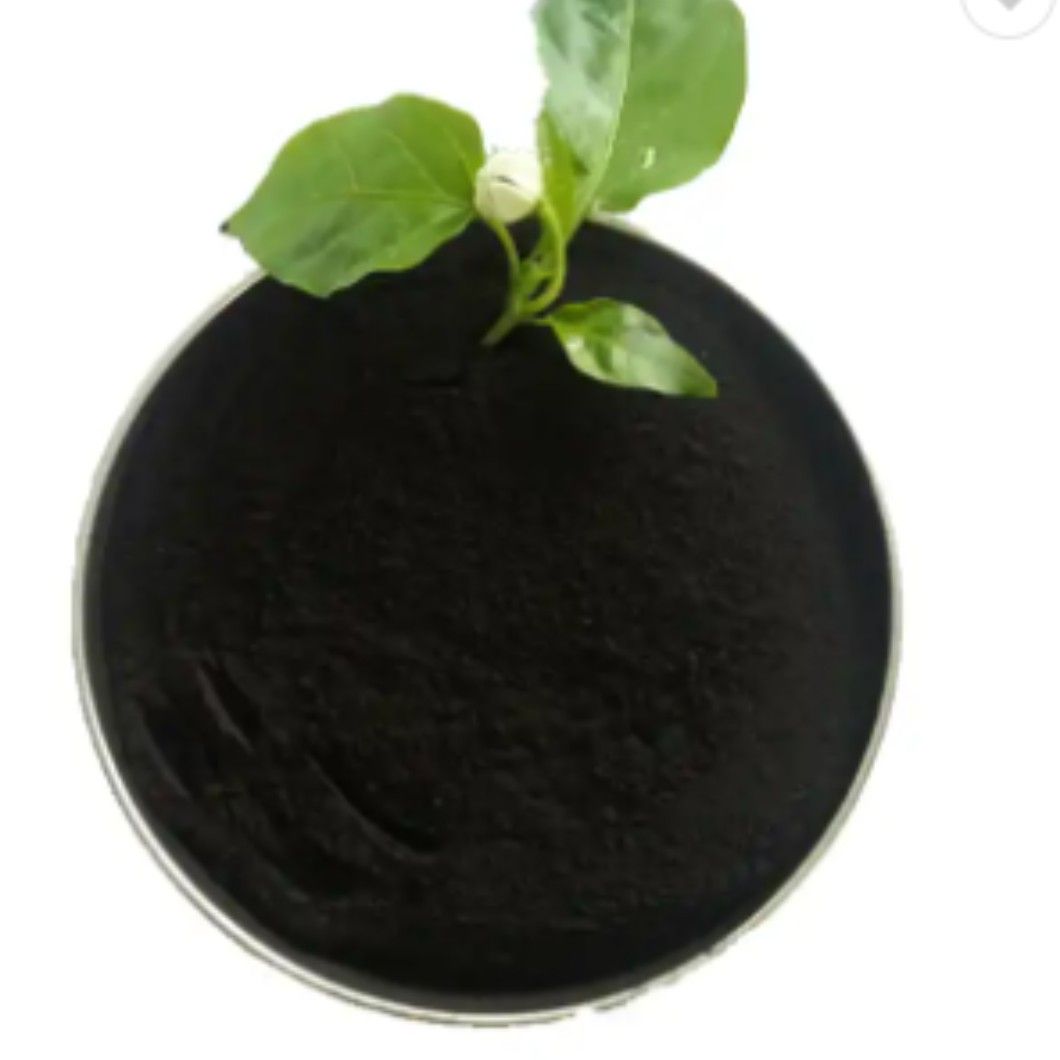
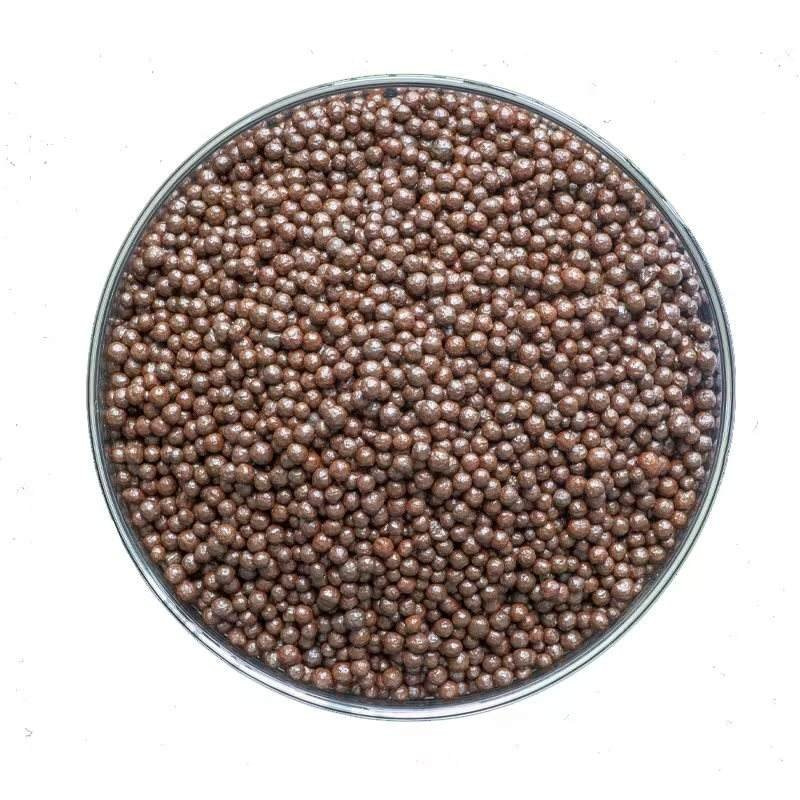
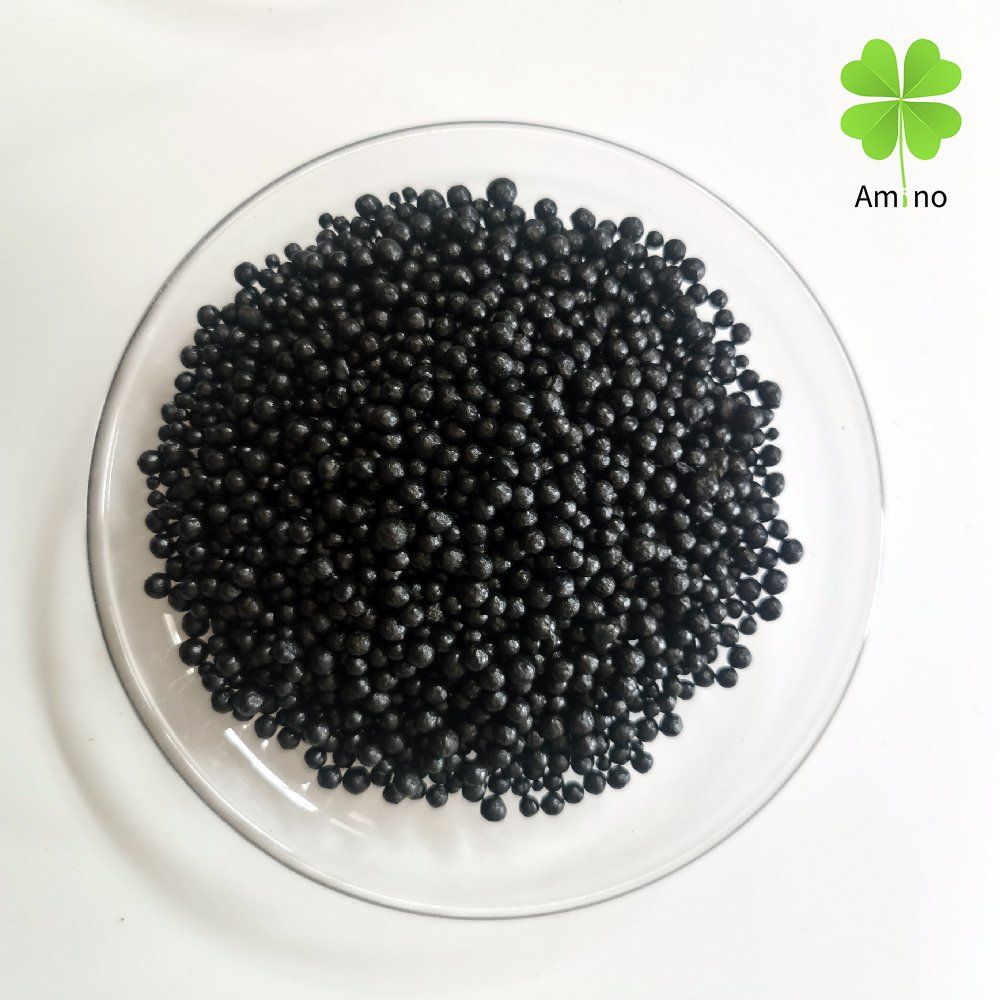
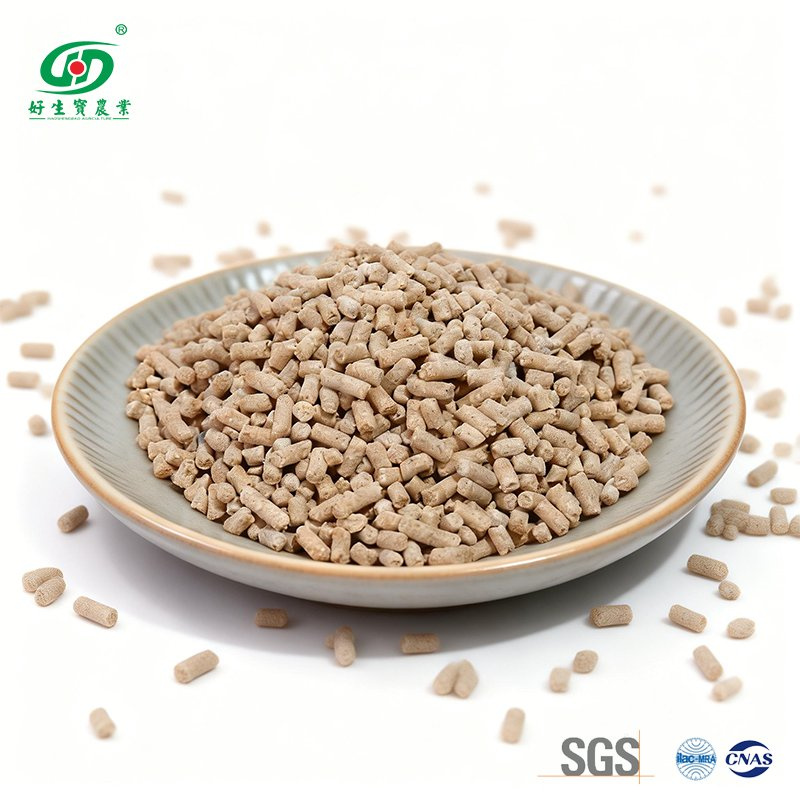
Humic Acid Powder from Leonardite for Fertilizer Use, 50–90% Humic Acid
Buyer-facing sourcing profile for insoluble humic acid powder produced from leonardite, intended for agricultural fertilizer and soil conditioner formulations. Key checks for overseas buyers include confirming whether the material is supplied as humic acid, potassium humate, or another humate salt; verifying CAS alignment, dry-basis humic acid content, moisture, organic matter, pH, mesh size, heavy metals, and Brazil import documentation readiness.
Quick buying facts
Identify the grade, package, and import market before comparing suppliers.
Use this page to check the product identity, common specification points, document scope, package notes, and destination-market questions before sending a China sourcing request.
CAS check: humic acids are commonly referenced under CAS 1415-93-6, but buyer should confirm exact CAS on COA/SDS and whether product is humic acid or humate saltOrganic fertilizer raw material / humic acid powdercandidate_for_buyer_spec_verification
Source material: leonardite, as stated by supplier
Total humic acid: 50–90% on dry basis, supplier-stated range
Organic matter: 60–90%, supplier-stated range
Moisture: <25%
pH: 5–6
Particle size: 40–80 mesh
Solubility: described as insoluble humic acid powder; confirm water solubility and intended formulation use
CAS check: humic acids are commonly referenced under CAS 1415-93-6, but buyer should confirm exact CAS on COA/SDS and whether product is humic acid or humate salt
Grade: agricultural / fertilizer grade; confirm if compliant with destination-market fertilizer input requirements
Who uses this page
Target buyers
Brazil fertilizer importers
Organic fertilizer formulators
NPK and specialty fertilizer blenders
Soil conditioner manufacturers
Agricultural input distributors
Private-label fertilizer brands
Procurement teams sourcing leonardite-derived humic materials
Before matching
Documents to check
CAS number, grade, assay, and impurity profile
SDS, COA, TDS, HS code, and transport classification
Destination-market import documents before supplier matching
Package and route
Packing notes
Transport package listed as customizable; request exact standard packing before RFQ confirmation
Common fertilizer raw material packing to confirm: 25 kg woven bag, kraft bag, jumbo bag, or palletized export packing
Confirm moisture-resistant inner liner due to powder form and moisture specification
Ask for net weight, gross weight, pallet dimensions, container loading quantity, and whether fumigation-free pallets are available
MOQ shown on source listing: 25 tons; confirm current MOQ for Brazil shipment and sample policy
Applications and sourcing options
Check whether this product fits the buyer's actual application.
Clear application, grade, package, and document notes help separate real sourcing demand from a vague price check.
Use context
Common applications
Dry blending into organic fertilizer formulations
Soil conditioner ingredient for agricultural and horticultural applications
Raw material for granular or powdered fertilizer products
Component in slow-release fertilizer blends where insoluble humic matter is desired
Input for private-label fertilizer lines subject to local registration and quality checks
How we compare
Sourcing options
Request quotation by guaranteed humic acid content tier, such as 50%, 60%, 70%, 80%, or 90%
Compare insoluble humic acid powder versus water-soluble potassium humate depending on formulation route
Order pre-shipment sample with COA and SDS for lab verification before container purchase
Use third-party inspection for moisture, humic acid content, particle size, and heavy metals
Confirm FOB China port, CFR Brazil port, and CIF Brazil port options with shipping schedule and non-DG declaration where applicable
Human review
Compliance notes
Request current COA, SDS, specification sheet, and certificate of origin before order placement
Confirm CAS number, HS code, product name, and composition consistency across invoice, packing list, SDS, COA, and import documents
Listed HS code on source page: 382499999; buyer should verify HS classification with local broker for Brazil import
Confirm whether the material is classified as dangerous goods for sea or air shipment; humic acid fertilizer powders are often shipped as non-DG, but this must be checked against SDS and carrier requirements
For Brazil sourcing, request documentation suitable for agricultural input import review, including heavy metal profile and microbiological or contaminant data if required by buyer’s registration pathway
Ask whether the supplier can provide third-party test reports for arsenic, cadmium, lead, mercury, chromium, and other restricted impurities relevant to fertilizer imports
Do not rely on platform certifications alone; verify ISO or other certificates directly and check manufacturer/exporter entity names
Buyer search paths
Related sourcing terms
These terms support long-tail discovery while keeping the page focused on useful product and China export buying context.
humic acid supplier for Brazilleonardite humic acid powderinsoluble humic acid fertilizer gradeorganic fertilizer raw materialhumic acid 50 percenthumic acid 80 percentsoil conditioner raw materialfertilizer grade humic acidhumic acid powder China supplierhumic acid COA SDS
Related product options
Build a broader quote package from adjacent options.
Buyers often compare neighboring grades, forms, or route options before sending one consolidated RFQ.
Share target market, quantity, packaging scope, artwork status, delivery destination, and required documents so CHN Chemicals can prepare a cleaner supplier comparison.
Questions to confirm
What is the exact product identity: humic acid, potassium humate, sodium humate, or leonardite powder concentrate?
What CAS number appears on the SDS and COA?
Is the humic acid value measured on dry basis, and which analytical method is used?
What is the guaranteed minimum humic acid content for the quoted grade: 50%, 60%, 70%, 80%, or 90%?
Can you provide a recent batch COA showing humic acid, fulvic acid if any, organic matter, moisture, pH, ash, particle size, and insoluble matter?
What are the tested heavy metal limits for As, Cd, Pb, Hg, Cr, Ni, and Cu?
Is the product fully insoluble, partially soluble, or intended for dry blending only?
What is the standard packing and container loading quantity for a 20 ft or 40 ft shipment?
Checks before quote
Request current COA, SDS, specification sheet, and certificate of origin before order placement
Confirm CAS number, HS code, product name, and composition consistency across invoice, packing list, SDS, COA, and import documents
Listed HS code on source page: 382499999; buyer should verify HS classification with local broker for Brazil import
Confirm whether the material is classified as dangerous goods for sea or air shipment; humic acid fertilizer powders are often shipped as non-DG, but this must be checked against SDS and carrier requirements
For Brazil sourcing, request documentation suitable for agricultural input import review, including heavy metal profile and microbiological or contaminant data if required by buyer’s registration pathway
Ask whether the supplier can provide third-party test reports for arsenic, cadmium, lead, mercury, chromium, and other restricted impurities relevant to fertilizer imports
Do not rely on platform certifications alone; verify ISO or other certificates directly and check manufacturer/exporter entity names
Next step
Send the product page with your target quantity and market. A sourcing manager can then confirm sample options, supplier fit, packaging details, and open document gaps.