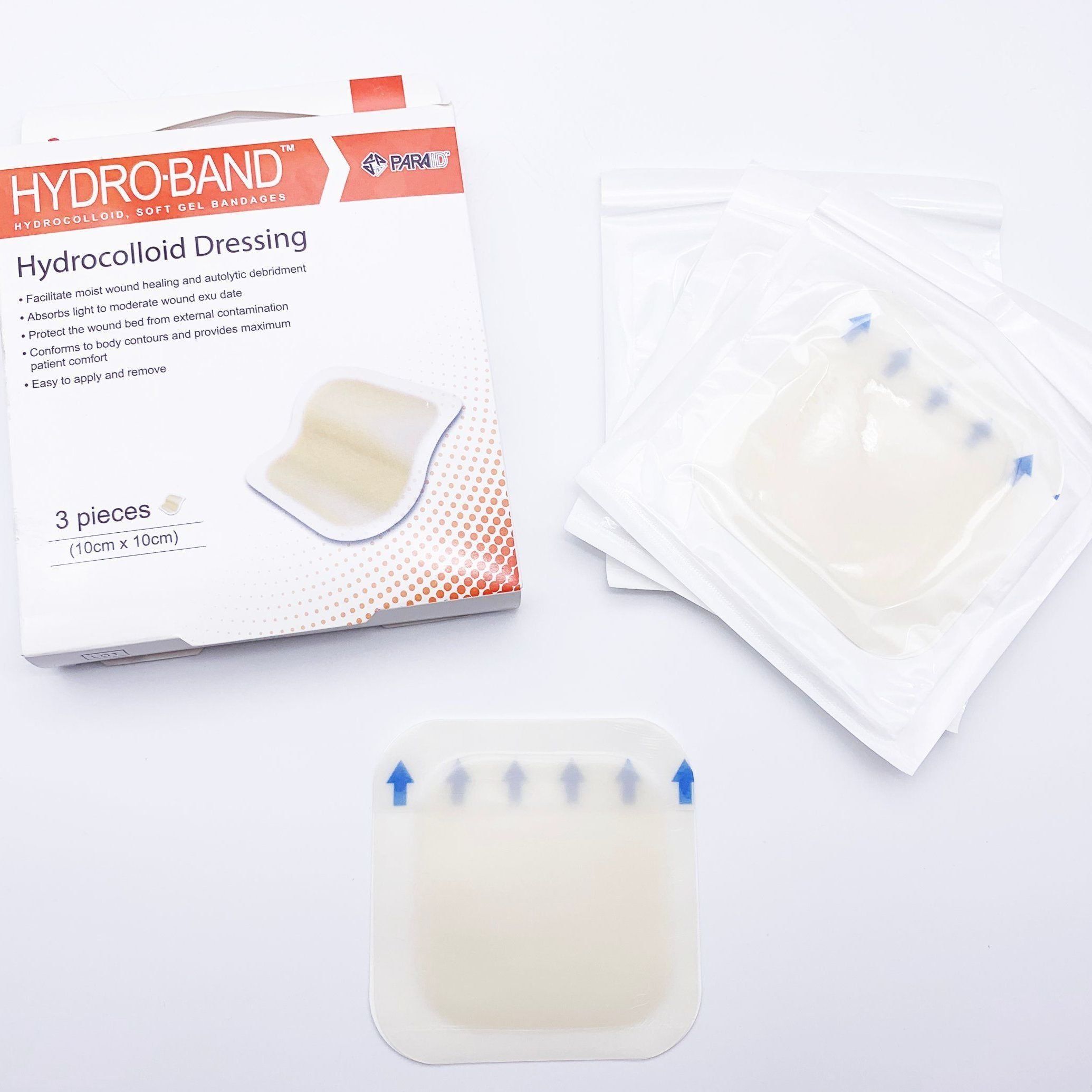
Hydrocolloid Dressing 10 x 10 cm for Export Sourcing
Buyer-facing sourcing profile for 10 x 10 cm hydrocolloid dressing supplied from China. This item is not a bulk chemical or CAS-numbered raw material; it is a finished medical dressing product. Overseas buyers should verify device classification, material composition, sterilization status if applicable, grade, labeling, shelf life, carton packing, and export documentation before RFQ confirmation.
Quick buying facts
Identify the grade, package, and import market before comparing suppliers.
Use this page to check the product identity, common specification points, document scope, package notes, and destination-market questions before sending a China sourcing request.
SDS, COA, TDS, HS code, and transport classification
Destination-market import documents before supplier matching
Package and route
Packing notes
Confirm unit pack format, pieces per box, boxes per carton, and carton dimensions/gross weight before freight quotation.
Request artwork dielines, private-label MOQ, barcode requirements, IFU language options, and destination-market labeling review.
Confirm whether packaging is sterile barrier packaging or retail/non-sterile packaging.
Ask for shelf-life, storage condition, batch coding format, and carton markings.
Check palletization, container loading quantity, and export carton strength for sea or air shipment.
Applications and sourcing options
Check whether this product fits the buyer's actual application.
Clear application, grade, package, and document notes help separate real sourcing demand from a vague price check.
Use context
Common applications
Finished dressing sourcing for regulated healthcare distribution
Private-label wound care product program requiring packaging customization
Distributor sample evaluation for size, adhesion, absorbency, and documentation readiness
Tender or institutional supply review subject to local device registration checks
First-aid or wound dressing portfolio expansion where compliance files are required
How we compare
Sourcing options
Neutral-pack 10 x 10 cm hydrocolloid dressing with export carton packing
OEM/private-label packaging with buyer-approved artwork and claims
Customized size, shape, color, or packaging subject to MOQ and validation review
Sample order for specification and documentation verification before bulk RFQ
Documentation-focused RFQ including certificate scope, test reports, labeling, and non-DG shipping confirmation
Human review
Compliance notes
No CAS number applies because this is a finished medical dressing, not a chemical raw material.
Request ISO 13485 or other medical-device quality system evidence where relevant, not only general ISO references.
Supplier page mentions ISO, RoHS, CE, GMP, MDR, and SEDEX; buyers should request copies, scope, issuing body, validity dates, and model coverage.
Confirm destination-market medical device classification, registration/importer requirements, and allowed product claims before purchase.
Request technical file summary, declaration of conformity where applicable, test reports, biocompatibility support, sterilization validation if sterile, and shelf-life validation.
Confirm whether the item is subject to medical device import controls, product registration, local language labeling, or authorized representative requirements.
DG/export awareness: hydrocolloid dressings are typically shipped as non-dangerous finished goods, but buyers should confirm MSDS/SDS or non-DG statement, adhesive/material composition, and any battery/liquid/chemical restrictions are not involved.
Do not rely on marketplace claims such as wound healing, anti-allergy, or pain-free removal without destination-market substantiation.
Buyer search paths
Related sourcing terms
These terms support long-tail discovery while keeping the page focused on useful product and China export buying context.
Share target market, quantity, packaging scope, artwork status, delivery destination, and required documents so CHN Chemicals can prepare a cleaner supplier comparison.
Questions to confirm
Is the 10 x 10 cm hydrocolloid dressing sterile or non-sterile? If sterile, what sterilization method and validation documents are available?
What is the complete material composition, including hydrocolloid layer, backing film, adhesive, release liner, and any colorants or additives?
Can you provide current certificates with model coverage, including CE/MDR documents if applicable to the destination market?
What are the available specifications for thickness, absorbency, adhesive strength, MVTR, waterproof performance, and wear time?
What is the MOQ for neutral packaging versus OEM/private label packaging?
What is the standard packing: pieces per pouch, pouches per box, boxes per carton, carton size, and gross/net weight?
What is the shelf life and what stability or aging data supports it?
Can you provide COA, inspection report, IFU, labeling artwork, non-DG statement, and commercial export documents?
Checks before quote
No CAS number applies because this is a finished medical dressing, not a chemical raw material.
Request ISO 13485 or other medical-device quality system evidence where relevant, not only general ISO references.
Supplier page mentions ISO, RoHS, CE, GMP, MDR, and SEDEX; buyers should request copies, scope, issuing body, validity dates, and model coverage.
Confirm destination-market medical device classification, registration/importer requirements, and allowed product claims before purchase.
Request technical file summary, declaration of conformity where applicable, test reports, biocompatibility support, sterilization validation if sterile, and shelf-life validation.
Confirm whether the item is subject to medical device import controls, product registration, local language labeling, or authorized representative requirements.
DG/export awareness: hydrocolloid dressings are typically shipped as non-dangerous finished goods, but buyers should confirm MSDS/SDS or non-DG statement, adhesive/material composition, and any battery/liquid/chemical restrictions are not involved.
Do not rely on marketplace claims such as wound healing, anti-allergy, or pain-free removal without destination-market substantiation.
Next step
Send the product page with your target quantity and market. A sourcing manager can then confirm sample options, supplier fit, packaging details, and open document gaps.